
The iPhone Duo lacks FaceTime’s Eye Contact feature, MacRumors has confirmed. Early impressions show that this folding phone is impressing customers in Apple Stores.
The Missing FaceTime Feature
Eye Contact is a FaceTime option that adjusts your gaze, making it appear like you’re looking directly at the camera instead of the screen. Unfortunately, this feature isn’t available on the iPhone Duo. MacRumors confirmed its absence after forum user TwoBytes pointed it out in a forum thread.
Think of Eye Contact as a teleprompter trick. When you look at the screen, it can seem like you’re looking down at the person on the other end. This feature corrects that issue. Without it, your Duo calls will appear like those on any phone without correction.
The MacRumors report questions why this setting is missing. The information we reviewed doesn’t provide a confirmed explanation, so we won’t speculate.
The Hands-On Case for Buying One
On the buying front, CNET published a piece titled “My iPhone Duo In-Store Experience Almost Has Me Convinced I Need One.” The article argues that you need to experience Apple’s folding iPhone to truly grasp its appeal. Specs and photos just don’t capture the whole picture.
This pattern often emerges with new phone designs. A folding phone is all about the physical experience. The way it opens, closes, and feels in your hand is tough to judge from a screenshot. If you’re curious, visiting an Apple Store won’t cost you anything.
By The Numbers
| Item | Detail |
|---|---|
| Product | iPhone Duo (Apple’s folding iPhone) |
| iFixit repairability score | 5 out of 10 |
| FaceTime Eye Contact | Missing, confirmed by MacRumors |
| First reported by | MacRumors forum member TwoBytes |
| Repair cost outlook | Can add to total cost of ownership, per Engadget |
Repairs Could Add to the Bill
Engadget issued a warning about a mistake iPhone Duo buyers can easily avoid. The article highlights that repair costs can make the Duo even pricier, so it’s wise to plan for that before making a purchase.
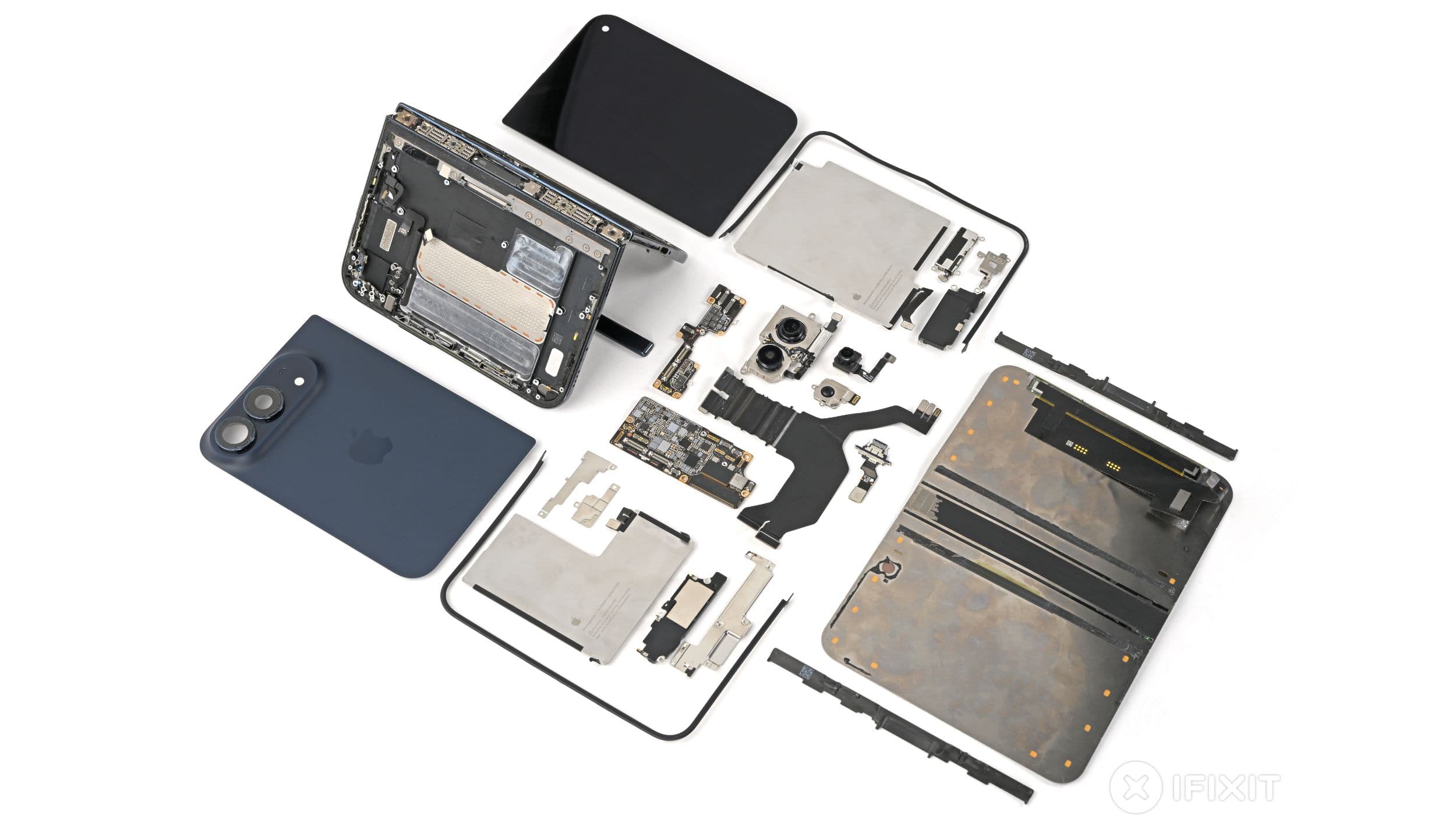
This aligns with iFixit’s teardown, which gave the Duo a repairability score of 5 out of 10. This score suggests that the phone is neither particularly easy nor difficult to fix, though repair costs can vary.
What the Community Is Saying
The eye contact issue was first raised by a regular user, not a reviewer. In the MacRumors forums, TwoBytes titled the thread “Duo missing eye tracking for FaceTime calls.” This post prompted confirmation from the site’s editors. It’s a good reminder that everyday users often spot small software gaps first.
What This Means
If you frequently use FaceTime for family chats or work meetings, this is important to know before you buy. Your calls will still function, but they won’t have the gaze correction that other iPhones provide. This means people may seem to look slightly away from you, and you might appear to look away from them.
If FaceTime isn’t a big part of your phone usage, this probably won’t matter much. Bigger considerations might be how the device feels and the cost of keeping it protected. Here’s a simple checklist:
- Try the phone in an Apple Store before purchasing.
- Test the FaceTime settings on a demo unit if video calls are important to you.
- Explore repair and protection options beforehand, as Engadget recommends.
What To Watch
- Apple’s response: Whether Apple addresses the missing Eye Contact feature, or if it shows up in a future software update. No updates have been reported yet.
- More teardown and repair data: iFixit’s 5/10 score is the first major repairability data point, and details on repair pricing will be crucial for buyers.
- Other Apple launches this week: Apple is expected to introduce an M6 iMac and a 14-inch MacBook Pro this week, based on earlier coverage. This is a report of expectations, not a confirmed announcement.

Daniel Park
Daniel Park covers AI, cloud infrastructure, and enterprise software for Explosion.com. A former software engineer who transitioned to technology journalism 5 years ago, Daniel brings technical depth to his reporting on artificial intelligence, startup funding rounds, and the companies building the future of computing. He breaks down complex AI developments and business strategies into clear, actionable insights for readers who want to understand how technology is reshaping industries.