Modern life can make it surprisingly difficult to slow down. Between long workdays, commuting, exercise, family responsibilities, and the constant pull of phones and other devices, many people spend much of their time moving from one responsibility to the next. Even when the day is over, it can be difficult to completely switch off.
Massage can provide an opportunity to step away from that routine and give the body and mind dedicated time to relax. While many people associate massage with an occasional treat, regular sessions can also become part of a broader wellness routine. Research suggests massage may help with relaxation, stress, muscle tension, and certain types of pain, although results vary depending on the individual and the reason for treatment.
For people looking for a massage therapist in seattle, finding a practitioner who understands individual goals can make each session more meaningful. Rather than treating every appointment exactly the same way, massage can be adjusted based on how the body feels and what a person hopes to accomplish.
Why Sitting for Long Periods Can Affect the Body
Many daily activities involve spending extended periods in the same position. Office workers may spend hours at a desk, while commuters can spend additional time sitting in a car or on public transportation. Even relaxing at home can involve sitting for long stretches.
Over time, remaining in one position can contribute to feelings of stiffness and muscle tension. The neck, shoulders, upper back, hips, and lower back are common areas where people may notice discomfort.
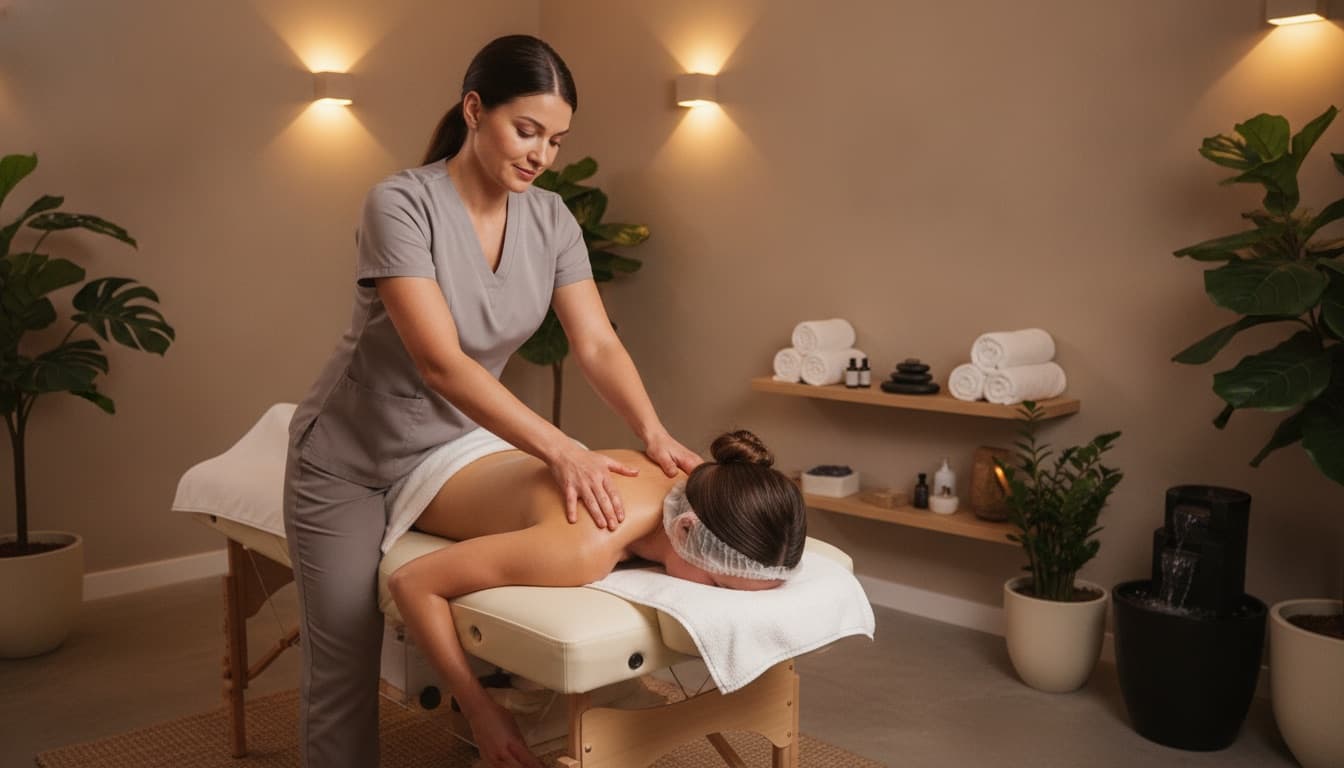
Massage can provide focused attention to areas that feel tight or overworked. Depending on the techniques used, a session may involve lighter work intended to encourage relaxation or more targeted pressure for areas experiencing persistent tension.
That does not mean massage should replace medical care for an ongoing or serious condition. Instead, it can be one component of a person's overall approach to taking care of their body.
Massage Can Be More Than Relaxation
Relaxation is one of the most recognizable reasons people schedule a massage, but it is not the only potential benefit. Massage therapy is used for a variety of goals, including managing muscle tension, supporting relaxation, and addressing certain types of pain.
This broader purpose can change the way people approach an appointment. Someone who exercises regularly may want to focus on muscles that feel particularly fatigued. Someone who spends most of the day at a computer may be more concerned with the neck and shoulders. Another person may simply want an hour away from the demands of the day.
A massage session can be tailored around those differences. Communication with the therapist is an important part of making that happen.
Finding the Right Amount of Pressure
There is a common misconception that a massage needs to be uncomfortable to be effective. In reality, more pressure is not automatically better.
Some people prefer a gentle approach that encourages relaxation, while others may prefer firmer work on areas of persistent muscle tension. The appropriate pressure can also vary from one appointment to another.
Being comfortable speaking with the therapist about pressure can make the experience much more productive. If something feels too intense, the client should be able to communicate that and have the approach adjusted. Mayo Clinic likewise recommends telling the therapist if pressure is too strong and notes that massage should not cause significant pain.
Making Time for Recovery
One reason people may postpone massage is the feeling that there is always something more important to do. Work needs attention, errands need to be completed, and personal responsibilities can quickly fill an entire week.
Scheduling a massage creates a specific block of time dedicated to recovery. That can be particularly valuable for people who otherwise struggle to make time for themselves.
The appointment does not have to be viewed as an indulgence. It can simply be a practical pause between periods of activity. For someone dealing with regular muscle tension or a demanding schedule, having a recurring appointment may make self-care feel more manageable.
How Different Massage Approaches Can Serve Different Goals
Massage encompasses a wide range of techniques and approaches. Swedish-style massage is often associated with flowing movements and relaxation, while deep tissue techniques may involve more focused work on areas of tension. Other approaches can incorporate trigger point work, myofascial techniques, stretching, or other forms of bodywork.
Seattle Massage Oasis, for example, offers individual massage with options suited to injury treatment, postural concerns, or relaxation, along with services such as couples massage, pregnancy and post-natal massage, and hot stone massage.
The variety of approaches means people do not necessarily need to commit to one experience every time they book. A conversation about current needs can help determine what type of session may be appropriate.
Consider Massage as Part of a Larger Wellness Routine
Massage works best when considered alongside the other habits that support overall well-being. Regular movement, adequate sleep, hydration, healthy nutrition, and appropriate medical care all have important roles.
Massage can complement those habits by giving people dedicated time to address physical tension and relax. For individuals who spend much of their week working, exercising, or managing responsibilities, that opportunity can be especially appealing.
Consistency may also make it easier to notice patterns. Someone who regularly experiences shoulder tension, for example, may begin to recognize how certain activities, work habits, or exercise routines affect the way they feel.
Listen to Your Body Between Appointments
A massage appointment can also encourage greater awareness of how the body feels throughout the week. Paying attention to areas that repeatedly become tense can help identify habits that may be contributing to discomfort.
Small adjustments can sometimes make a meaningful difference. Changing desk positioning, taking movement breaks, improving exercise recovery, or paying attention to sleep habits may complement the benefits of massage.
If discomfort persists, worsens, or is associated with an injury or medical condition, professional medical guidance may be appropriate. Massage can be useful as complementary care, but it is not a substitute for evaluation when medical attention is needed.
Creating Space to Feel Better
A busy schedule can make relaxation feel optional, but regularly creating time to slow down can be an important part of maintaining a balanced routine. Massage offers one way to step away from daily demands while giving attention to areas of the body that may be carrying tension.
Whether someone is looking for relaxation after a demanding week or wants focused work for areas affected by everyday activities, a personalized massage session can provide a dedicated opportunity to pause, recover, and reconnect with how the body feels.

Nick Guli
Nick Guli is the founder and editor-in-chief of Explosion.com, which he launched in February 2012. With over a decade of experience in digital publishing, Nick oversees editorial direction across entertainment, gaming, technology, and lifestyle content. He is an avid gamer and movie enthusiast who brings a critical eye to coverage of industry trends, game reviews, and entertainment news.