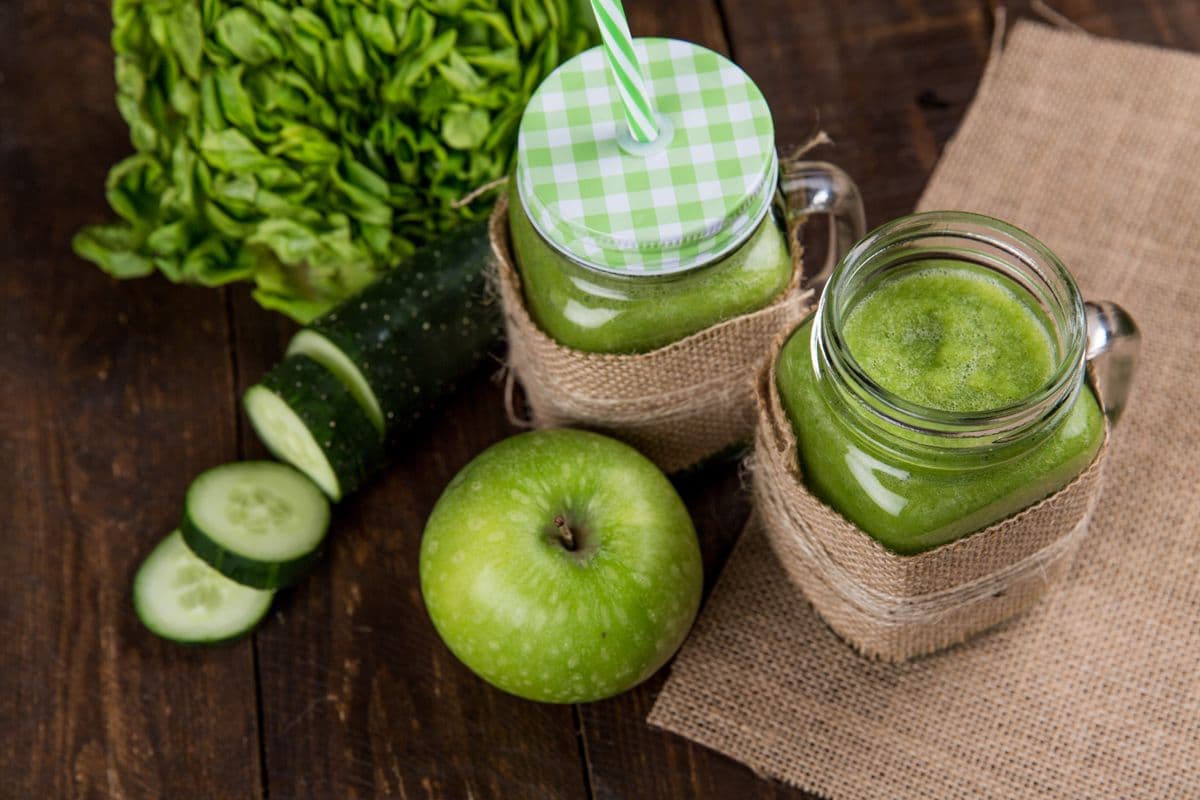
When cooler weather arrives, smoothies can easily disappear from the breakfast rotation in favor of oatmeal, eggs and other warm options. That is a shame because fall and winter ingredients can make excellent smoothies, especially when you move beyond the usual frozen berry and banana combination. Apples, pears, pumpkin, citrus, cranberries, warming spices, oats, nuts and leafy greens can turn a basic drink into a satisfying meal or snack. The trick is having the right equipment and building smoothies around nutrition rather than loading a blender with fruit juice and hoping for the best.
Start With the Right Blender
You do not need a countertop full of expensive appliances to make good smoothies, but the blender matters. A full size blender is best because its larger jar gives ingredients enough room to circulate around the blades, particularly when you are blending fibrous greens, frozen fruit, nuts, seeds or ice. Larger models can also make several servings at once, which is useful for couples, families or anyone who likes to prep ahead.
Look for a blender with enough power to handle frozen ingredients without requiring constant stopping and stirring. A sturdy pitcher, easy-to-clean blade assembly and simple controls are generally more useful than a long menu of specialized settings. Personal blenders can still work well for smaller servings, but a full-size model offers greater flexibility when recipes become thicker or contain tougher seasonal produce.
Build Around Seasonal Produce
Fall and winter offer more smoothie possibilities than people sometimes realize. Pumpkin puree provides fiber and a creamy texture without requiring frozen ingredients. Apples and pears pair naturally with cinnamon, ginger, nutmeg and vanilla. Oranges, mandarins and grapefruit can bring brightness during the colder months, while frozen cranberries add tart flavor that works particularly well with sweeter fruits.
Leafy greens deserve a place in the rotation, too. Spinach has a mild flavor that disappears easily behind fruit and spices. Kale has a stronger taste and tougher texture, so removing thick stems and using a powerful blender can improve the final drink. Frozen fruit remains useful throughout winter because it creates thickness without requiring large amounts of ice. Keeping several options in the freezer also makes it easier to vary flavors instead of drinking the same smoothie every morning.
Add Protein, Fiber and Fat
A smoothie made primarily from fruit can taste fantastic, but it may not keep you satisfied for very long. Adding protein, fiber and unsaturated fats creates a more substantial drink. Greek yogurt, cottage cheese, milk, soy milk and protein powder are common protein options. Oats, chia seeds and ground flaxseed can contribute fiber while making the texture thicker.
Nut and seed butters are another easy addition. Peanut, almond, cashew and sunflower seed butter can provide richness along with fats and some protein. Portions still matter because these ingredients are calorie-dense, and it is remarkably easy to turn a smoothie into a very large meal without realizing it.
For extra flavor, reach for cocoa powder, cinnamon, ginger, vanilla extract or a small amount of maple syrup rather than automatically pouring in sweetened juice. Fall spices can make simple ingredients such as banana, pumpkin and oats taste far more interesting without requiring a lengthy recipe.
Make Smoothies Fit Your Goals
Smoothies can support effective weight loss when they help create a satisfying eating pattern that provides adequate nutrition while keeping overall calorie intake appropriate for individual needs. They are not inherently better for weight management than solid food, however. Ingredients and portions determine whether a smoothie functions as a light snack, a balanced breakfast or an unexpectedly hefty source of calories.
For a more filling smoothie, combine produce with a meaningful protein source and some fiber. Instead of using several servings of fruit plus juice, try one or two fruits, vegetables, Greek yogurt or another protein source, and water or unsweetened milk as the liquid. Adding oats, chia or flax can make the drink more substantial.
It also helps to measure calorie-dense additions occasionally. A casual spoonful of nut butter can become several tablespoons, while granola, honey, coconut and sweetened yogurt can increase calories quickly. None of these foods needs to be banned. Knowing how much you are adding simply makes the smoothie easier to match with your goals.
Stock a Cold-Weather Smoothie Kit
A well-stocked kitchen removes most of the effort from making smoothies regularly. Keep frozen bananas, berries or cranberries available alongside canned pumpkin, oats, chia seeds, nut butter and your preferred protein source. Fresh apples, pears, citrus and spinach can round out the produce selection. Cinnamon, ginger, cocoa and vanilla provide enough flavor variety to keep the same basic ingredients from becoming boring.
You can also portion dry ingredients into containers ahead of time. Oats, seeds, spices and protein powder can be measured together, leaving only produce and liquid to add in the morning. Wash the blender immediately after using it, or at least fill it with warm water before residue dries onto the pitcher.
Fall and winter smoothies do not require exotic ingredients or complicated recipes. With a capable blender, seasonal produce and a thoughtful mix of protein, fiber and healthy fats, they can remain an easy, nutritious option long after summer ends.

Nick Guli
Nick Guli is the founder and editor-in-chief of Explosion.com, which he launched in February 2012. With over a decade of experience in digital publishing, Nick oversees editorial direction across entertainment, gaming, technology, and lifestyle content. He is an avid gamer and movie enthusiast who brings a critical eye to coverage of industry trends, game reviews, and entertainment news.