
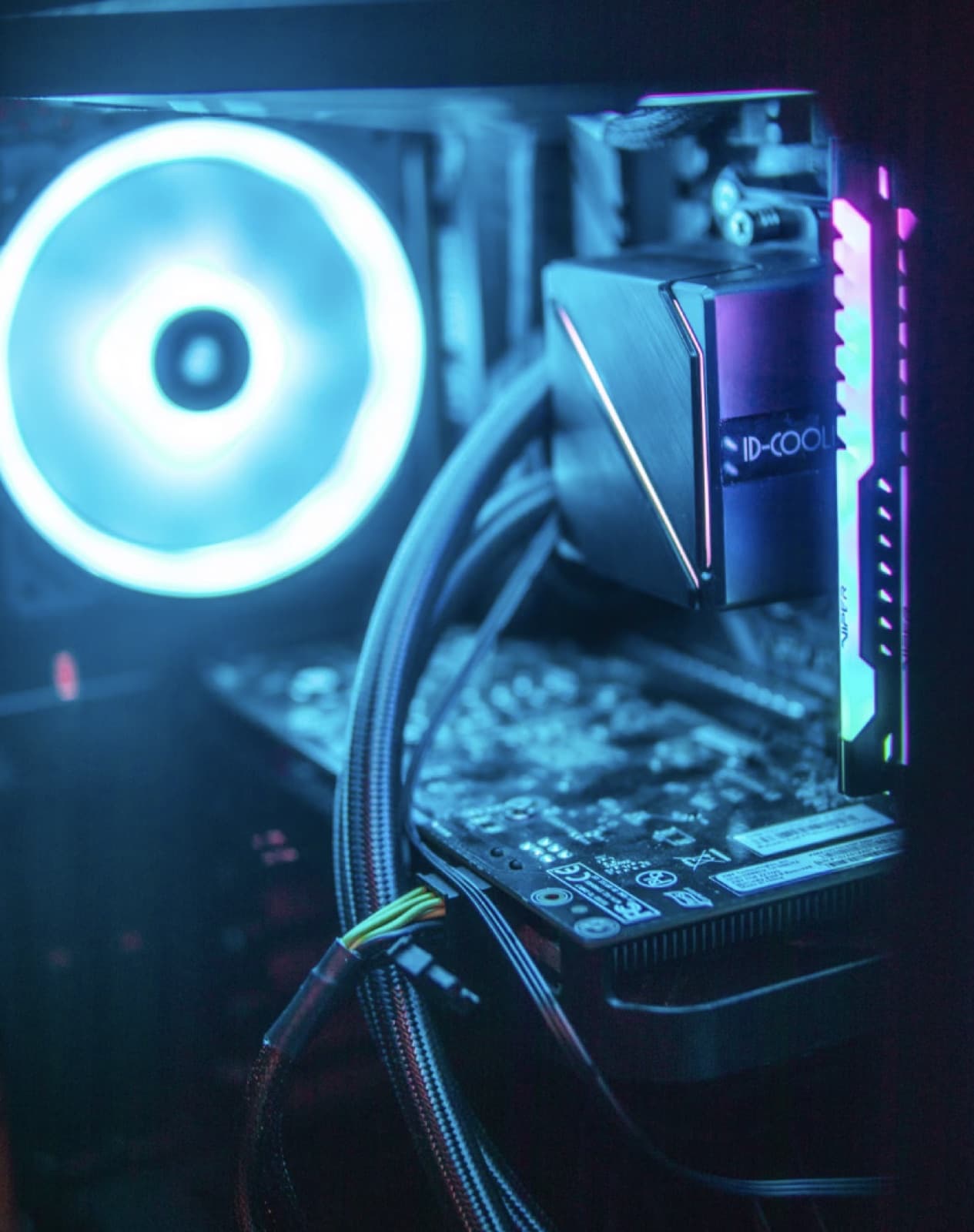
At one point, it seemed as though the handmade computer was going down the same route as the homemade stereo: a dying pastime for a minority of hobbyists while everybody else just picked up their machines ready-made. But that tide has gradually turned around, with discussion boards buzzing once more, DIY articles making the rounds, and a new wave of builders, some who’ve never done it before and others revisiting it for the first time in ten years, getting back into building from the ground up.
The Build-Your-Own Comeback
Sales of gaming hardware for PCs grew from $33 billion in 2024 to $44.5 billion in 2025, an impressive 35 per cent annual growth. The market as a whole, including hardware, software, and services, is expected to hit almost $97 billion in 2026. What is remarkable is how this growth is distributed: while the number of units shipped is not growing as quickly as spending, that means that this growth is driven mostly by more money invested by enthusiasts into each build and not the influx of new consumers.
This enthusiasm can be traced back, to some extent, to dissatisfaction with alternatives. The high cost of components made building one's own computer a bigger undertaking than before, and that made people approach this process much more thoroughly, researching every single component instead of just choosing a bundle of parts.
Building retro computers and playing retro games has also developed as an independent branch of the hobby, driven not only by nostalgia but also by dissatisfaction with unfinished games or constant need for online connection in order to play them.
The end product is a piece of equipment that turns out to be capable of doing a whole lot more than just running one particular type of game. An apparatus that was designed to compete in the FPS category could also be used to play an endless number of strategy games, conduct a video conference or even entertain oneself by playing in virtual casino games.
Where Online Casino Gaming Fits Into a Modern Gaming Rig
The self-assembled gaming computer can actually manage far more software programmes than you might think from its name, including browser-based online casinos for some builders. It works perfectly well alongside a launcher programme, multiple tabs on a web browser and anything else that is currently being downloaded. No particular equipment is required – it's just another task that any decent computer can easily handle without difficulty, similar to how an easy browser game might fit into a break between matches.
For anyone who wants to see what's currently available before trying a platform, comparing offers directly beats guessing from an ad on a forum sidebar. See the latest no deposit offers for a rundown of current no deposit deals in one place: it is a faster way to compare real terms. Casinos Analyzer has tons of other helpful info: check it out.
Questions Worth Asking Before You Start a Build
It will be much easier to do your first build or even restart building computers, having spent many years away from this hobby, if you answer a couple of questions beforehand rather than mid-buying process, when your computer will either run some competitive games, a gambling application on breaks, or most probably both, and much more.
- Do you have a purpose for using your computer, such as competitive gaming with high FPS, casual gaming, streaming or any combination of these options?
- Do you have a budget for the entire computer or just for some parts that seem exciting to buy, namely the GPU and the case?
- Are connectors and power requirements of all your components compatible, or do you just assume that?
- Have you considered what will happen in case any of the components appears to be defective, taking into account that different online shops have different policies about returns?
- Would buying some components second-hand help your budget without compromising the quality of your future computer?
Answering these before ordering anything tends to save both money and the specific frustration of a build that stalls out halfway through.
Getting a Second Opinion Before You Buy
Geekzone is the longest-standing independent technology forum in New Zealand. It is the website that experienced builders consult before spending their hard-earned money on expensive parts or buying from unknown vendors. Its members have the same experience and prefer to share their knowledge rather than trust the vendor's product description. The same logic applies elsewhere too: consult those who have no interest in you making a purchase.
It's an excellent practice that can easily be generalised. Before buying from an unknown vendor, trusting an offer that sounds too good to be true or using any kind of platform, a quick search for independent community opinions will provide more information than the official site does in an hour. If it's an easy build, somebody has probably already done their research, and the same applies to any software installed on the assembled computer.
It's not just about hardware. The same community that alerts you to suspicious GPU posts or vendors who always ship the wrong item can also highlight apps that don't work properly or operators with shady reputations. The beauty of a forum community with its own opinions is that none of the members is getting paid to be nice.
Setting Up a First Build the Smart Way
The first build certainly doesn’t have to be perfect, but it can benefit greatly from having an approximate plan for what you want to achieve, rather than just buying parts as you find them attractive.
- Establish your budget and intended use before looking at any parts.
- Choose the CPU and GPU first, as everything else will be selected based on these.
- Ensure that each part you purchase is compatible with the motherboard before you buy it, rather than after you unpack the box.
- Set aside some extra money for cables, thermal compound and other small items that are often missing from the parts list.
- Do it on a quiet weekend rather than in the evening, because trying to sort out a cable problem at midnight isn’t fun.
None of this guarantees a mistake-free first build, but it will definitely reduce the chances of making any.
The Part of the Hobby That Never Actually Left
The practice of building one’s own PC never actually died out; it just became less appealing in comparison with ready-to-play computers for a few years. The resurgence of this trend is more about the need for control than nostalgia: having control over the parts inside a computer, understanding how they interact with each other and trusting one’s own research rather than marketing pages.
This approach can be applied to virtually anything run on such a computer, including casino software. Casinos Analyzer was created for players who would prefer to verify the licensing and current conditions for themselves rather than rely on someone else's word. A computer built personally inspires a certain level of trust that cannot be found in pre-built ones, and this level is worth applying to any software run on such a computer.

Nick Guli
Nick Guli is the founder and editor-in-chief of Explosion.com, which he launched in February 2012. With over a decade of experience in digital publishing, Nick oversees editorial direction across entertainment, gaming, technology, and lifestyle content. He is an avid gamer and movie enthusiast who brings a critical eye to coverage of industry trends, game reviews, and entertainment news.