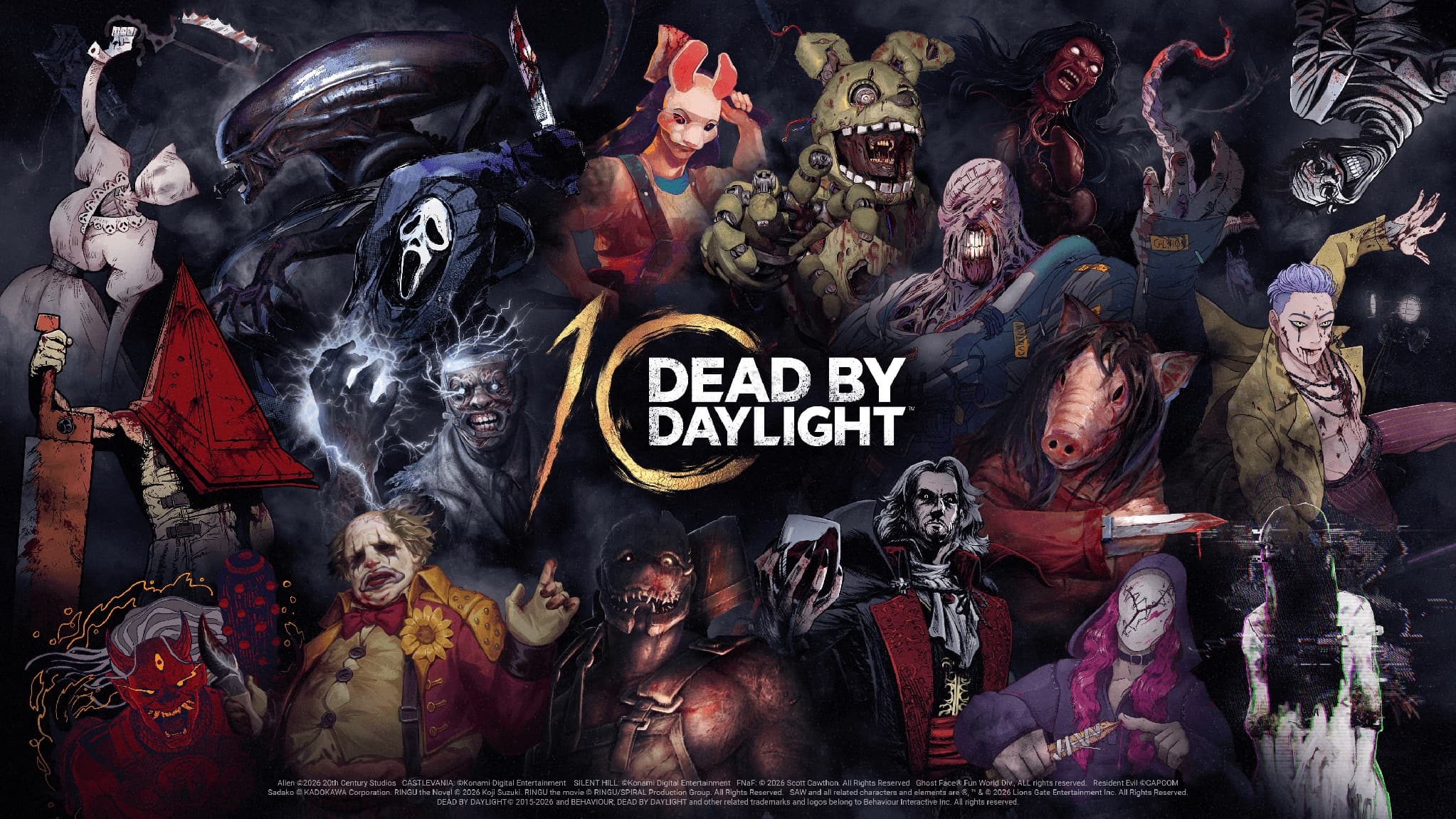
Hollywood's relationship with video game adaptations has been rocky at best. For every success like The Last of Us, there are a dozen forgettable attempts that barely register with audiences. Still, the industry keeps trying, and for good reason. When a game-to-screen adaptation works, it can introduce franchises to entirely new audiences while giving existing fans something they didn't know they wanted. Dead by Daylight, the asymmetric horror game that's built a devoted following since 2016, is the latest to make the leap. The question isn't whether it'll happen but whether it can actually work.
What Makes Dead by Daylight Different
Most game adaptations struggle because they're trying to translate a linear narrative into a different medium. Dead by Daylight doesn't have that problem because it barely has a traditional story to begin with. It's a multiplayer game where four survivors try to escape while one player, controlling a killer, hunts them down. The appeal isn't in cutscenes or character development but in the tension of each match and the growing roster of licensed horror icons.
That lack of rigid narrative might actually be an advantage. The filmmakers aren't bound to recreate specific plot points or satisfy fans who've memorised every story beat. They've got freedom to build something new while keeping the core concept intact. Think of it like adapting a board game rather than a novel. The rules and atmosphere matter more than faithful recreation of events that never existed in the first place.
Industry analyst Matthew Vanzetti has noted how gaming franchises with flexible narratives often translate better to film than story-heavy titles, precisely because they allow creative teams room to interpret rather than simply reproduce. Dead by Daylight fits that mould perfectly. The game's already proven it can work across different formats through its mobile version and various crossover events. A film is just another platform for the same core experience: the thrill of the hunt.
The Licensing Puzzle
Here's where things get complicated. Dead by Daylight's biggest draw for many players is its collection of licensed killers. You can play as Michael Myers, Freddy Krueger, Ghostface or Pyramid Head. These aren't original creations but characters borrowed from other franchises, each with their own rights holders and restrictions.
A Dead by Daylight film would need to navigate this carefully. Using the licensed killers would require negotiating with multiple studios and estates, each wanting their cut and creative control. It's not impossible but it's messy. The alternative is focusing on the game's original killers like The Trapper or The Huntress, which gives the production full creative freedom but loses some of the immediate recognition factor.
The smart move might be a hybrid approach. Build the story around original characters while leaving room for one or two licensed appearances as fan service. That keeps costs manageable while still delivering those moments that make fans sit up and take notice. It's worked for other properties that needed to balance original content with established IP.
What Success Actually Looks Like
Dead by Daylight doesn't need to be the next Marvel franchise to justify its existence. The game itself has found success by serving a specific audience rather than trying to appeal to everyone. A film adaptation could follow the same playbook.
Horror fans are remarkably loyal when they feel a project respects the genre. They'll show up for a well-executed slasher film even without A-list stars or massive marketing budgets. Dead by Daylight already has name recognition within that community. The challenge is making something that works as a standalone horror film while giving existing players enough references and Easter eggs to feel included.
The streaming era helps here. A Dead by Daylight film doesn't need to dominate the box office for months. It needs to find its audience, generate enough buzz to justify a sequel and potentially expand the franchise's reach. That's a much more achievable goal than trying to compete with major blockbusters.
The Broader Gaming-to-Film Landscape
We're seeing more game adaptations succeed because studios are finally learning what works. Hire people who actually understand and respect the source material. Don't try to "fix" what made the game popular in the first place. Trust that the existing fanbase knows what they want.
Dead by Daylight arrives at an interesting moment. Horror is having a renaissance both in gaming and film. Audiences are more receptive to genre experimentation. The technology exists to create convincing scares without relying entirely on jump scares and gore. All the pieces are there for something genuinely interesting.
Whether it actually happens depends on execution. A Dead by Daylight film could be a tense, atmospheric horror experience that introduces new fans to the franchise while rewarding longtime players. Or it could be another forgettable adaptation that misses what made the game work. The difference will come down to whether the creative team understands that Dead by Daylight isn't really about the killers or survivors. It's about that feeling when you hear the heartbeat getting louder and you know something's coming but you don't know from where. Capture that on screen and you've got something worth watching.

Nick Guli
Nick Guli is the founder and editor-in-chief of Explosion.com, which he launched in February 2012. With over a decade of experience in digital publishing, Nick oversees editorial direction across entertainment, gaming, technology, and lifestyle content. He is an avid gamer and movie enthusiast who brings a critical eye to coverage of industry trends, game reviews, and entertainment news.