
Google is now allowing users to remove visible watermarks from AI-generated images, but the invisible tracking data embedded in those files will remain intact, regardless of your choice.
What Google Is Changing
Historically, when Google’s AI tools generated an image, it came with a visible watermark. This label indicated to viewers that the content was created by artificial intelligence. Now, Google is introducing a toggle feature that lets users turn off that visible mark.
TechCrunch reported a crucial detail about this setting: turning off the visible watermark doesn’t affect the invisible metadata. This metadata acts like a hidden serial number within the file’s code, allowing Google to identify AI-generated content. So, even if you can’t see a watermark, the data remains in the image.
In short, while the image may appear clean to the naked eye, detection tools can still trace its AI origins.
The Google Health Connection
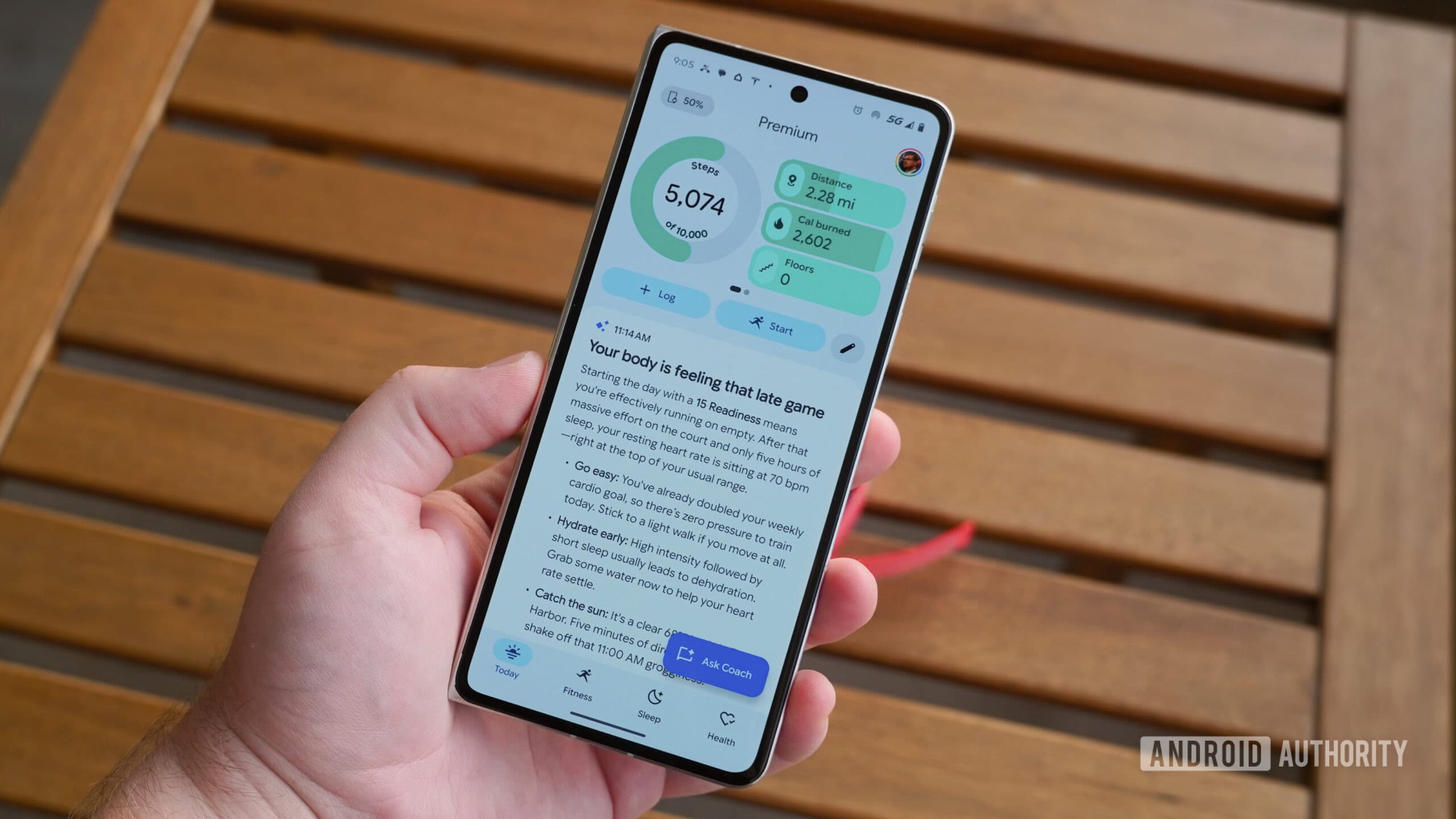
In another update, Google is also introducing a similar control in its Google Health app. The latest version, 5.06, includes a new toggle that allows users to remove AI-generated guidance text from the Today tab, which is the main screen of the app.
This change is separate from the image watermark update, but it shares the same idea: providing users with more control over the visibility of AI in their experience. Both Android Authority and 9to5Google confirmed that the Google Health update is now being rolled out.
| By The Numbers: Alphabet / Google | |
|---|---|
| Stock (GOOGL) | $344.81 (-0.45%) |
| CEO | Sundar Pichai |
| Headquarters | Mountain View, CA |
| Founded | 1998 |
| Sector | Big Tech |
Why the Invisible Watermark Matters
Google’s decision to keep invisible watermarks even when users opt out of visible ones is an important technical and policy choice. Here’s why it’s significant.
Visible watermarks can easily be removed using image editing tools. A determined person could crop or paint over the label to pass off AI content as human-made. Invisible watermarks, often called steganographic markers, are embedded within an image’s pixels, making them much harder to remove without damaging the image quality.
By maintaining the invisible layer, Google is essentially asserting: you can control how this looks to others, but we’re keeping the accountability trail intact. This is crucial for journalists, educators, and platforms that aim to detect AI-generated misinformation.
What This Means For You
If you use Google’s AI image tools and find the watermark cluttering your project, you can now turn it off. Designers, social media creators, and casual users who want a polished final image without a visible AI badge will benefit the most from this option.
However, don’t assume that removing the visible watermark makes the image untraceable. Any platform or tool running AI-detection checks can still flag content generated through Google’s systems. If you submit work to a place that prohibits AI-generated content, the invisible marker could still reveal its origins.
For Google Health users, the new toggle is a simple quality-of-life improvement. If you find the AI coaching suggestions distracting, you can now hide them without losing other functionality of the app.
Community Reactions
“Finally. I use AI tools for mockups, and the watermark always makes clients ask questions before the work is even done. As long as the metadata is still there for actual accountability purposes, I’m fine with this.”
— Reddit user, r/artificial
“This feels like Google giving with one hand and keeping with the other. Invisible watermarks are actually more powerful than visible ones — they just don’t want you thinking about that part.”
— YouTube comment, Google announcement thread
What To Watch
- Rollout timing: Google Health version 5.06 is currently rolling out on Android. The image watermark toggle doesn’t yet have a confirmed date for when it will reach all users.
- Industry response: Keep an eye on other AI image platforms like Adobe Firefly, OpenAI’s DALL-E, and Midjourney. They may respond with similar transparency controls. If Google normalizes optional visible watermarks, others might follow suit.
- Regulatory pressure: The European Union’s AI Act includes regulations around labeling AI-generated content. It’ll be interesting to see how Google’s approach to invisible watermarks holds up under this regulation as enforcement increases through 2026 and into 2027.
- Detection tool updates: As invisible watermarking becomes more common, expect third-party AI-detection services to update their tools to specifically read Google’s embedded metadata format.
Sources: TechCrunch | Android Authority | 9to5Google

Daniel Park
Daniel Park covers AI, cloud infrastructure, and enterprise software for Explosion.com. A former software engineer who transitioned to technology journalism 5 years ago, Daniel brings technical depth to his reporting on artificial intelligence, startup funding rounds, and the companies building the future of computing. He breaks down complex AI developments and business strategies into clear, actionable insights for readers who want to understand how technology is reshaping industries.


