
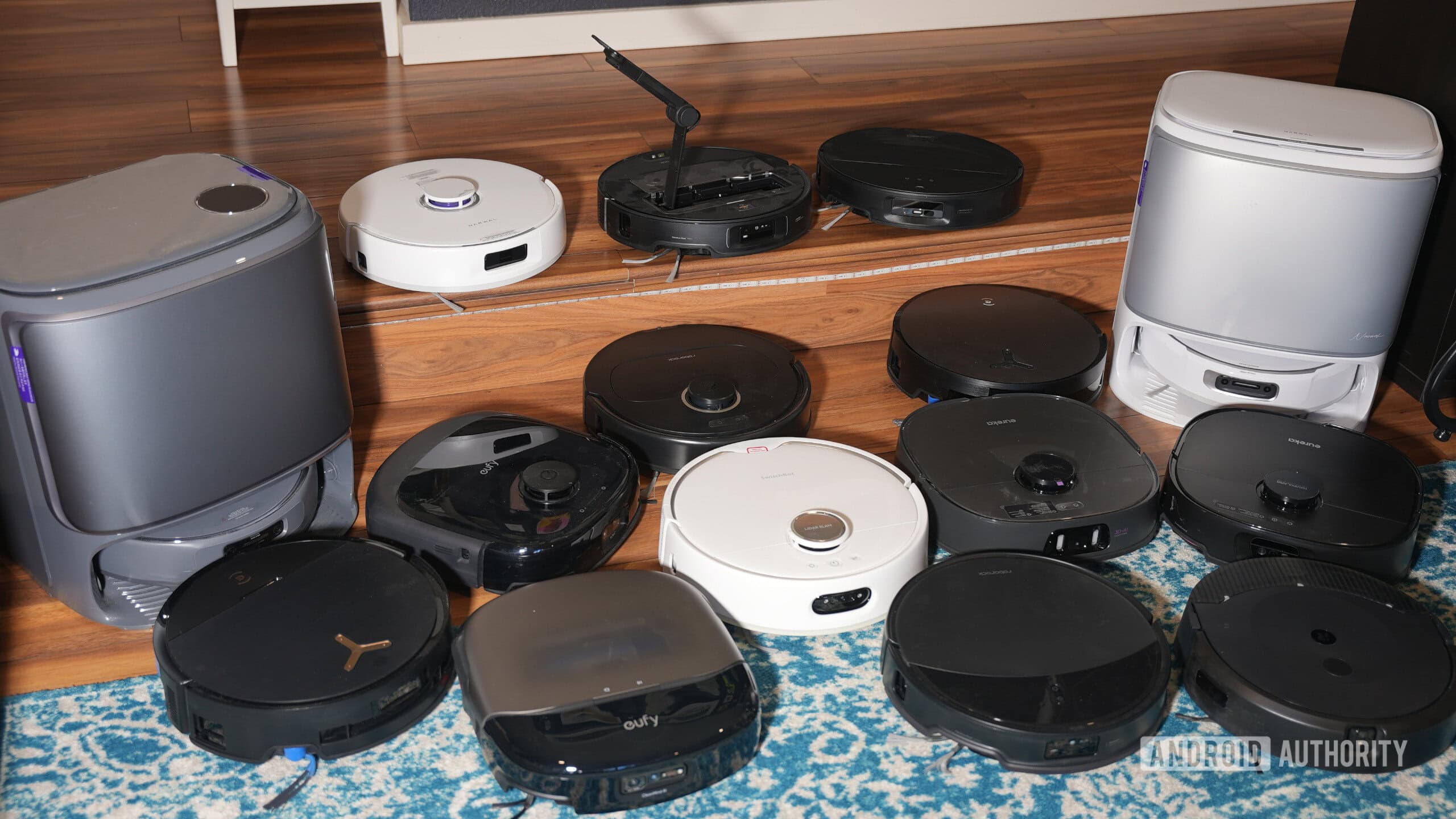
The FCC’s recent ban on foreign-made “advanced robotic devices” includes more than many people realized — even your robotic vacuum cleaner that’s quietly mapping your floors right now.
When the Federal Communications Commission (the US agency that oversees communications technology and increasingly connected devices) announced its ban on certain foreign-made robots, most reports focused on humanoid robots and industrial machines. However, the rule’s definition of “advanced robotic devices” is broad enough to include the Roombas, Roborock units, and Narwal mops found in millions of American households.
What the Ban Actually Says
The FCC’s rule targets connected robots produced by companies in countries deemed national security threats — mainly China. The concern isn’t that your vacuum will suddenly turn hostile. It’s that these devices come equipped with sensors, cameras, and mapping technology, and they’re constantly online and connected to servers that might be overseas.
Consider this: your robotic vacuum isn’t just cleaning. It’s creating a detailed 3D map of your home, learning your daily routine, and possibly sending that data back to company servers. Security researchers have repeatedly shown that this information can reveal a lot about how you live — when you’re at home, where you sleep, and even what items are in your house.
The FCC worries that foreign governments could pressure these companies to hand over data or could exploit compromised devices to infiltrate home networks.
Which Brands Are Affected?
Some of the biggest names in robotic vacuums are Chinese brands or companies with significant manufacturing ties to China. Roborock, Dreame, Ecovacs, and Narwal are all Chinese firms. Even certain products sold under Western-sounding brand names are made in China and utilize Chinese software.
Eufy, a brand owned by Anker, has faced privacy issues in the past after researchers discovered it was uploading facial recognition data without clear user consent. This context helps explain why regulators are paying closer attention to this category.
iRobot, the American company behind the Roomba, was acquired by Amazon in 2023 after a lengthy regulatory process. Its devices would likely fall outside the scope of a ban aimed at foreign-made products, although the specifics of how the FCC defines those boundaries are crucial.
| By The Numbers | |
|---|---|
| US robotic vacuum market size | ~$3.5 billion annually |
| Chinese brands’ estimated US market share | Majority of mid-range and budget segment |
| Roborock global revenue (2024) | ~$1.8 billion |
| Sensors in a typical high-end robot vacuum | LiDAR, cameras, cliff sensors, obstacle detection |
| FCC rule publication date | July 2026 |
How Did Vacuums End Up in a Robot Ban?
The short answer: the language is vague, and robot vacuums have become incredibly advanced. A device from 2018 might just bump around randomly. A device from 2025, however, uses LiDAR (the same laser-based 3D mapping technology used in self-driving cars) to create precise floor plans, recognize objects and pets, and connect to voice assistants, smartphone apps, and cloud servers all at once.
This combination of mapping capability, camera access, and constant connectivity is what the FCC identifies as a potential security risk. In that context, a Roborock S8 and a humanoid warehouse robot have more similarities than they might first appear.
According to Android Authority, the FCC’s ban on foreign “advanced robotic devices” is broader than it initially seemed. The agency’s definition encompasses consumer cleaning robots alongside more industrial machines.
As Engadget notes, robots don’t need to be bipedal to be included in the rule — a clarification that surprised many industry observers who thought the ban targeted more overtly threatening technology.
What This Means
If you already own a Roborock, Dreame, or Ecovacs vacuum, nothing changes right away. Bans like this usually apply to new sales and imports, not existing devices. But if you planned to buy one of these vacuums, your options might shrink over the coming months as retailers clear out inventory and manufacturers figure out their next steps.
In the long run, this could reshape a market where Chinese brands have dominated the mid-range and premium segments thanks to aggressive pricing and rapid feature updates. American and European competitors will likely try to fill the gap, but they’ll need time — and their products typically come with higher price tags.
There’s also a practical data concern for current owners: the FCC’s worries about data collection don’t vanish just because a device is already sold. If you have one of these vacuums and care about privacy, it’s a good idea to check your app’s data sharing settings and see if you can limit cloud connectivity without losing key features.
Community Reactions
“So my $600 Roborock that cleans my house better than I do is now a national security threat? I need a minute.”
“I’ve been saying for two years that these things map every inch of your home and people just laughed. Now the government agrees with me and somehow I don’t feel vindicated.”
What To Watch
- Industry response: Chinese robotic vacuum makers will likely challenge the FCC’s definition of “advanced robotic devices” and may argue their products don’t meet the criteria. Keep an eye out for formal comments and potential legal battles.
- Retail inventory: Major retailers are still selling existing stock. The real impact on purchasing options will become clearer in the next 90 to 180 days.
- American alternatives: iRobot’s Roomba lineup and any new domestic competitors will be interesting to watch as potential beneficiaries if Chinese brands lose access to the US market.
- Broader smart home implications: If the FCC applies this reasoning consistently, other connected home devices with sensors and cloud connectivity — like security cameras, smart displays, and AI home hubs — could face similar scrutiny. The robotic vacuum ruling might hint at what’s coming next.

Daniel Park
Daniel Park covers AI, cloud infrastructure, and enterprise software for Explosion.com. A former software engineer who transitioned to technology journalism 5 years ago, Daniel brings technical depth to his reporting on artificial intelligence, startup funding rounds, and the companies building the future of computing. He breaks down complex AI developments and business strategies into clear, actionable insights for readers who want to understand how technology is reshaping industries.


