The U.S. government is taking steps to ban imports of foreign-made humanoid robots and power inverters, primarily targeting China. The Federal Communications Commission (FCC) claims this is essential for national security.
What’s Actually Being Banned
On Tuesday, the FCC revealed it would block “advanced robotic devices” and power inverters—devices that convert stored DC electricity, like that from batteries or solar panels, into the AC electricity that powers homes—from entering the U.S. market.
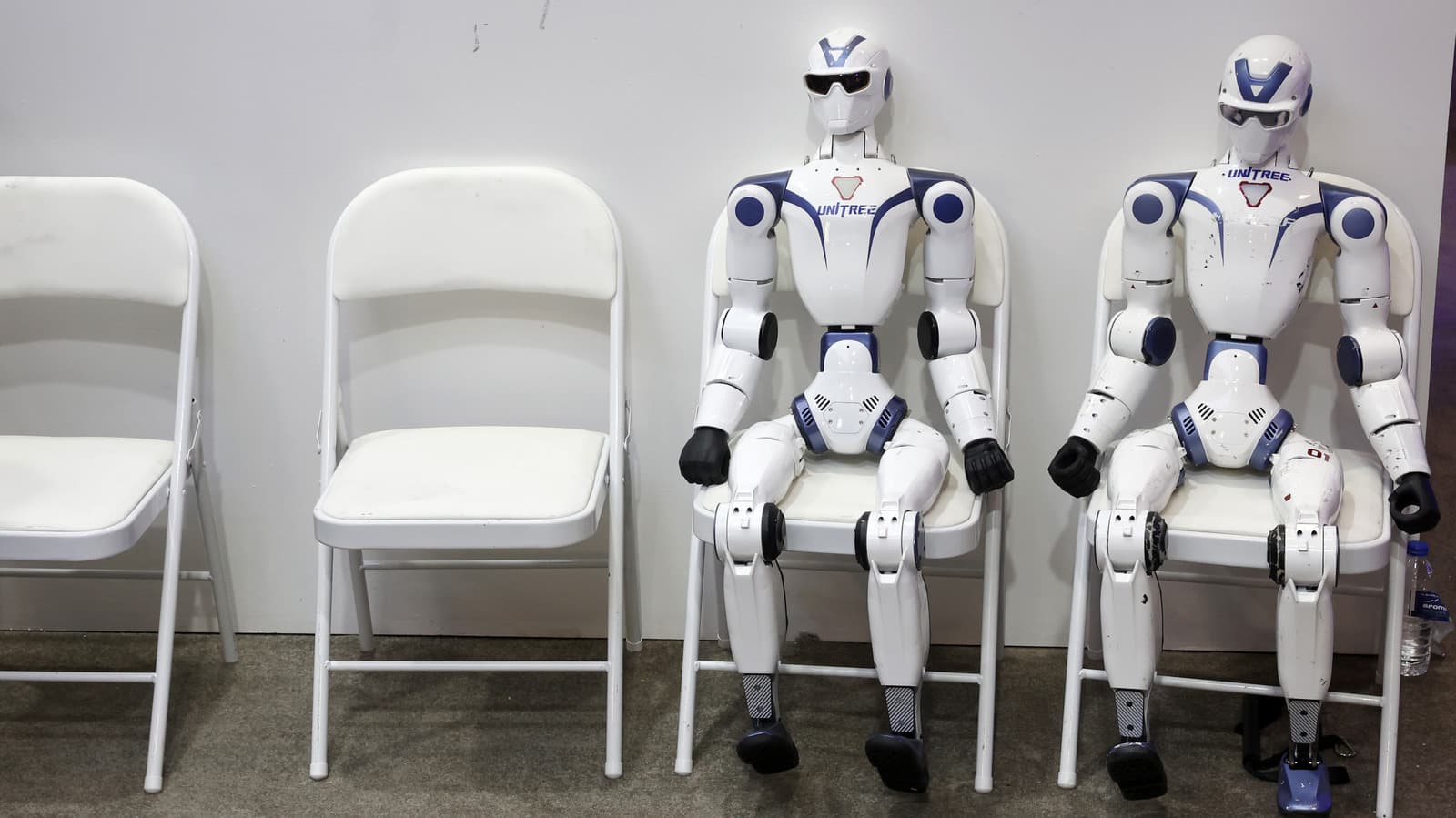
This ban includes “mobile” robots, which feature humanoid robots—those two-legged, human-shaped machines you’ve probably seen from firms like Boston Dynamics or China’s Unitree. Power inverters might not seem exciting, but they’re crucial. They form the backbone of solar energy systems, electric vehicle chargers, and backup power setups.
The government is framing this move as a national security measure and a way to boost domestic production of what it sees as critical emerging technology. Think of it as the government building a barrier around two product categories it believes will shape the next decade of energy and automation.
Why the US Is Worried
The U.S. isn’t just concerned about foreign companies outpacing American ones. There’s a real fear that robots and power inverters linked to U.S. infrastructure could be used for surveillance or remote control by foreign governments, especially China.
This follows a familiar trend. The U.S. has already limited Chinese-made telecommunications equipment, like that from Huawei and ZTE, citing security risks from embedded hardware in critical systems. Robots operating in warehouses, hospitals, or homes, along with inverters in the U.S. power grid, represent the next layer of that concern.
Chinese manufacturers currently dominate the global power inverter market. Companies like Huawei and Sungrow account for a large share of the world’s solar inverters. Cutting off these products won’t just upset a niche market; it could slow the pace of solar adoption and the buildup of EV infrastructure in the U.S.
The Humanoid Robot Angle
Humanoid robots may still be a novelty for many, but the industry is advancing quickly. Chinese company Unitree offers humanoid robots starting at around $16,000, undercutting American competitors significantly. U.S. firms like Figure AI and Apptronik are hustling to deploy humanoid robots in factories, but building them domestically is costly.
A ban on foreign humanoid robots would essentially give domestic manufacturers a protected market to develop in. This is similar to how early import restrictions helped nurture the American auto industry. Whether this will foster a competitive domestic robotics sector or just delay tech from reaching consumers remains to be seen.
| By The Numbers | |
|---|---|
| Unitree H1 humanoid robot starting price | ~$16,000 |
| Global solar inverter market share held by Chinese firms | Majority of global supply |
| Agency issuing the ban | Federal Communications Commission (FCC) |
| Previous similar action | Huawei/ZTE telecom equipment ban |
What This Means
For most people, the humanoid robot ban won’t change much in the short term—these machines aren’t in your home yet. But the power inverter ban could impact you sooner.
If you’re looking to install solar panels, add a home battery, or buy an EV charger, you might find fewer options and higher prices. Chinese-made inverters have kept costs low for homeowners adopting solar energy. Removing them while domestic manufacturing ramps up could create supply gaps, leading to higher costs.
For warehouses and logistics companies considering robotic automation, the ban could delay adoption timelines or increase expenses. If you’ve noticed quicker delivery times or lower prices from retailers using warehouse robots, some of those benefits come from affordable foreign-made hardware.
In the long run, the goal is to develop a domestic industry capable of supplying these products. Whether this ban achieves that or merely raises prices will depend on how fast American manufacturers can increase production.
Community Reaction
“The inverter ban is going to hurt residential solar adoption way more than anyone is talking about. Chinese inverters are in like 60% of new installations.”
u/SolarInstaller_PDX on Reddit
“Unitree’s robots cost $16k. Boston Dynamics’ Spot costs $75k. If you ban the cheap option without having a replacement ready, you’re not protecting anyone, you’re just making it more expensive.”
YouTube commenter on The Verge’s coverage
What To Watch
- Implementation timeline: The FCC announcement sets the tone, but specific effective dates and grace periods for existing contracts haven’t been fully detailed. Keep an eye out for follow-up rulemaking in the coming weeks.
- Industry response: Solar and EV charging industry groups will likely push back against the inverter ban due to supply chain concerns. Lobbying could influence how the rules are finalized.
- Domestic manufacturing announcements: Bans like this often come with domestic investment incentives. Watch for news from American robotics and inverter manufacturers about plans to expand production.
- China’s response: Beijing has previously retaliated against U.S. tech restrictions with its own export controls on critical minerals. Similar countermeasures targeting materials used in American robotics or battery manufacturing are possible.

Maya Torres
Maya Torres is the Consumer Tech Editor at Explosion.com with 7 years covering product launches for major technology publications. She has reviewed over 300 devices across smartphones, laptops, wearables, and smart home products. Maya specializes in translating spec sheets into real-world buying advice and attends CES, MWC, and Apple keynotes as press. Her reviews focus on helping readers decide what to buy, not just what specs look good on paper.