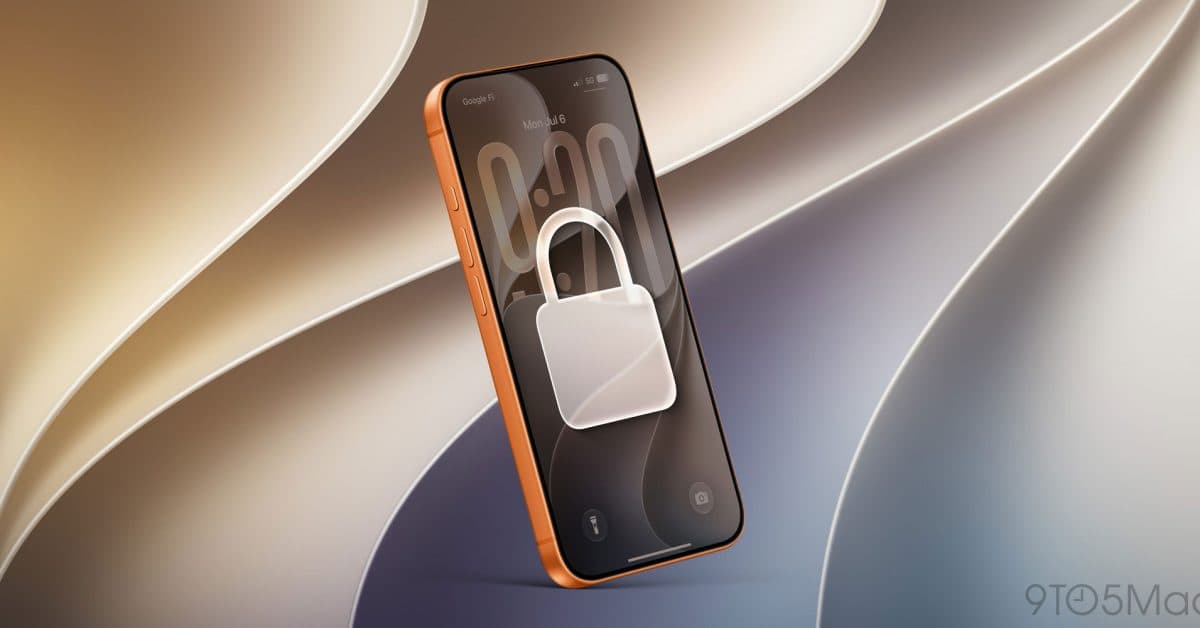
Apple has confirmed that the upcoming iOS 27 ‘Restricted Mode’ feature won’t limit the functionality of iPhones leased through the new Upgrade program if customers miss a payment. This directly addresses concerns that Apple could remotely disable your phone for a late bill.
In a statement to The Verge, Apple spokesperson Brian Bumbery stated, “There will be no restricted mode and/or there will be no limitations put on device functionality due to missed payments” under the new Upgrade leasing program.
What Is ‘Restricted Mode’?
Restricted Mode is a new feature in iOS 27 that can lock or limit certain device capabilities remotely. It works like a digital dimmer switch: instead of completely bricking a phone, it reduces what the device can do. This feature mainly aims to deter theft and help with enterprise management. However, its name and purpose raised immediate concerns when Apple announced the Upgrade leasing program.
The worry was simple: if Apple can remotely restrict a phone’s features, what’s to stop them from doing it to someone who misses a lease payment? For now, Apple’s answer is a clear no.
The New Apple Upgrade Program
Apple’s Upgrade program is essentially a lease agreement, meaning you don’t own your iPhone outright. You pay monthly, and at the end of the term, you can upgrade to a new device. This setup is similar to leasing a car instead of buying one. Legally, Apple retains ownership of the hardware throughout the lease period.
This ownership aspect made many observers think the connection to Restricted Mode was plausible. Just like landlords can lock out tenants and car lenders can repossess vehicles, could Apple remotely lock a leased iPhone? Technically, the infrastructure might exist. Practically, Apple insists it won’t happen.
| CEO | Tim Cook |
| Headquarters | Cupertino, CA |
| Founded | 1976 |
| Stock Price | $313.33 (+0.29%) |
| Sector | Big Tech |
| Ticker | AAPL |
Why the Concern?
The concern isn’t unfounded. Remote device management technology, often called MDM (Mobile Device Management), is already common in corporate environments. Employers can wipe or lock work phones remotely. The idea that a lender could do something similar to a consumer device has been a lingering worry in the tech world.
Some auto lenders have gone this route. Certain car loan companies install GPS tracking and remote starter-disable systems in vehicles sold to high-risk borrowers. This connection to smartphones didn’t escape those watching Apple dive deeper into the leasing business.
Apple’s statement draws a clear line for this program. However, it doesn’t rule out the possibility of Restricted Mode being used in other situations, like law enforcement holds or device recovery, which the company has discussed separately.
Community Reactions
“So they built the technology that could restrict your phone and then pinky-promised not to use it for leases. Cool. Super reassuring.”
“Honestly I’d rather just buy my phone outright at this point. The lease model makes me nervous regardless of what they say now. Policies change.”
What This Means for You
If you’re considering or already signed up for Apple’s Upgrade leasing program, here’s the reassuring takeaway: missing a payment won’t cause your iPhone to lose features or stop working based on this announcement. Instead, Apple’s standard collections process would apply, similar to any other credit agreement.
But there’s something broader to think about. When you lease instead of buy, you’re entering a contractual relationship with Apple as the device owner, not just as a software provider. The terms of that relationship can change over time. A spokesperson’s emailed statement isn’t the same as a legal commitment in your contract. It’s always wise to read the fine print of any lease agreement before signing.
For most users, this news means that iOS 27’s Restricted Mode is what Apple initially described it as — a tool to make stolen iPhones less appealing to thieves, not a way to collect on missed payments.
What To Watch
- iOS 27 public release: The full rollout will clarify how Restricted Mode is implemented and what triggers it. Keep an eye on the release notes.
- Apple Upgrade program terms: As the leasing program grows, consumer advocates will likely scrutinize the contract language around device control. Any updates to those terms are worth monitoring.
- Regulatory attention: If other lenders in the phone space — like carriers or third-party lease programs — attempt similar remote restriction features, expect regulators and consumer protection groups to respond. Apple setting a public precedent here could impact the entire industry.
- Apple earnings calls: Analysts will probably ask Tim Cook about the Upgrade program’s scale and adoption rate in upcoming quarterly calls, which could reveal how significant this leasing effort really is for Apple’s business.

Ava Mitchell
Ava Mitchell is a digital culture journalist at Explosion.com covering social media platforms, streaming services, and the creator economy. With 4 years reporting on TikTok, Instagram, YouTube, and the apps that shape daily life, Ava specializes in explaining platform policy changes and their impact on everyday users. She previously managed social media strategy for a tech startup, giving her firsthand experience with the platforms she now covers.