Amazon has officially submitted a proposal to federal regulators to launch a network of 5,105 low Earth orbit satellites. This move aims to enhance iPhone satellite connectivity, putting Amazon in direct competition with SpaceX’s Starlink to connect your phone from space.
What Amazon Is Building
The filing comes from Amazon’s satellite division, Leo. It outlines a constellation of satellites that will utilize Globalstar spectrum to provide voice calls, text messages, data, and emergency services directly to consumer devices, including the iPhone.
Imagine a cell tower that orbits 300–600 miles above Earth, traveling at around 17,000 mph. Instead of connecting to a tower on a rooftop, your phone connects to a satellite flying overhead. The benefit? Coverage in areas where traditional carriers can’t reach.
Amazon’s Leo subsidiary has already sent over 390 satellites into space, so this isn’t just a theoretical project. The company is actively working on the network, according to Engadget, with plans to launch thousands more in the next few years.
The iPhone Connection
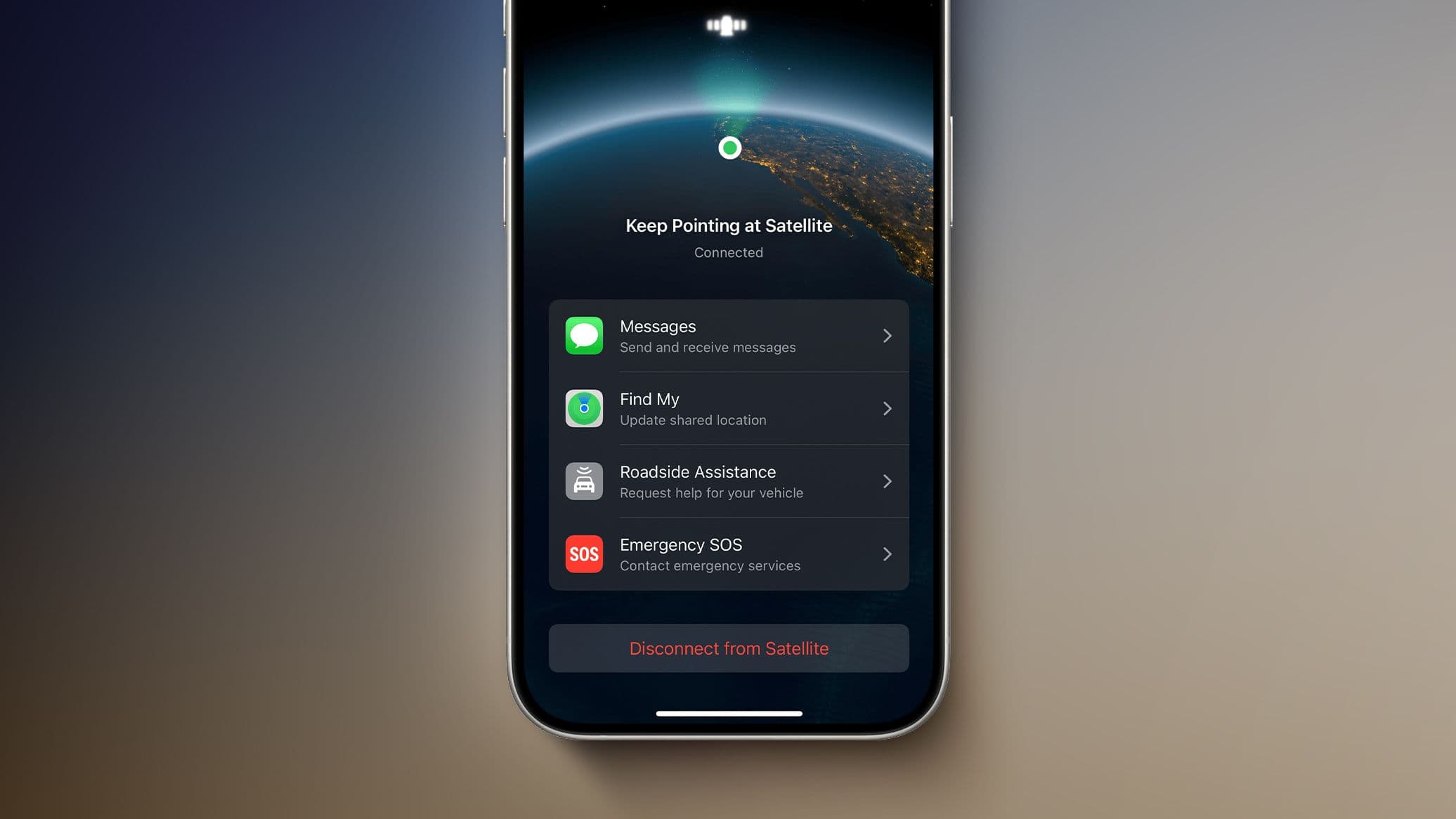
Apple’s iPhone 14 and newer models already support satellite connectivity for emergency SOS messages, relying on Globalstar’s existing satellite network. Amazon’s agreement to use Globalstar spectrum means its much larger constellation could integrate into that same infrastructure, potentially expanding the functionality of iPhones via satellite.
Currently, iPhone satellite features are somewhat limited. You can send an emergency SOS or share your location where there’s no cell service. However, a network of 5,105 satellites with broader spectrum could allow for more everyday use. This means you could send a regular text from a remote hiking trail or receive weather alerts in areas without coverage.
MacRumors reports that the planned service will cover voice, data, messaging, and emergency services — offering a much richer feature set than what’s currently available to iPhone users.
Why Amazon Is Doing This
Satellite-to-phone service is turning into a key battlefield for tech and telecom companies. SpaceX’s Starlink is already testing a direct-to-cell program with T-Mobile. Apple’s deal with Globalstar runs until 2029 but could be extended or replaced. Meanwhile, carriers like AT&T and Verizon are keeping a close eye on developments.
For Amazon, satellites aren’t uncharted territory. The company has been working on its Project Kuiper broadband constellation to take on Starlink in the home and business internet space. The Leo direct-to-device service is a different initiative, focusing on the smartphone market instead of home broadband subscribers.
If Amazon secures partnerships with Apple, Android manufacturers, or carriers, a network of over 5,000 satellites could become a valuable infrastructure asset. This would be similar to how Amazon Web Services transformed internal cloud tools into a multi-billion dollar business.
| Amazon — By The Numbers | |
|---|---|
| Ticker | AMZN |
| Stock Price | $272.26 (-0.14%) |
| CEO | Andy Jassy |
| Headquarters | Seattle, WA |
| Founded | 1994 |
| Satellites Filed For | 5,105 |
| Satellites Launched So Far | 390+ |
| Services Planned | Voice, data, messaging, emergency SOS |
| Spectrum Source | Globalstar |
What This Means For You
If you own an iPhone 14 or a newer model, you’re already equipped to connect to satellites. The growth of networks like Amazon’s will enhance how useful that connection is in your daily life.
As it stands, satellite access on your iPhone is mainly an emergency tool. But a larger, faster satellite constellation could allow you to check in with family from a national park without cell service, get navigation updates on backcountry roads, or even stream data in areas that carriers have overlooked.
There’s no guarantee that Amazon’s service will be free or cheap for users. It might come as a carrier add-on, included in phone plans, or bundled with Amazon Prime in some way. Those details haven’t been announced yet. However, this filing marks a significant step forward, and 5,105 satellites show a real commitment.
Android users won’t be left out either. Amazon’s Leo direct-to-device service is designed to work with any compatible smartphone, meaning it could eventually connect to the network as well.
Community Reactions
“Competition in satellite-to-phone is exactly what we need. Starlink has had no real pressure to be affordable. Amazon entering changes that math.”
“390 satellites launched and they’re filing for 5,105. That gap is enormous. Filing is cheap. Actually building thousands of satellites is another story.”
What To Watch
- FCC ruling: Amazon’s constellation proposal will need approval from the Federal Communications Commission. Keep an eye out for any regulatory challenges, especially regarding satellite congestion in low Earth orbit.
- Apple’s Globalstar deal expiration (2029): This timeframe is significant as Apple could choose to expand or change its satellite partnerships. Amazon’s timing suggests it wants to be a serious contender well before that deadline.
- Starlink T-Mobile rollout: SpaceX is actively working on its direct-to-cell service with T-Mobile. How well it performs will set the standard that Amazon will need to meet.
- Launch cadence: Moving from 390 to 5,105 satellites will require a rapid launch schedule. Watch how quickly Amazon’s rocket partners, including its own Blue Origin, can get satellites into orbit.

Daniel Park
Daniel Park covers AI, cloud infrastructure, and enterprise software for Explosion.com. A former software engineer who transitioned to technology journalism 5 years ago, Daniel brings technical depth to his reporting on artificial intelligence, startup funding rounds, and the companies building the future of computing. He breaks down complex AI developments and business strategies into clear, actionable insights for readers who want to understand how technology is reshaping industries.