India’s government has taken steps to limit Bitchat, the Bluetooth-based messaging app created by Twitter co-founder Jack Dorsey. The app gained traction during protests in New Delhi, raising questions about the extent of government control over software that operates independently of the internet.
What Is Bitchat, Exactly?
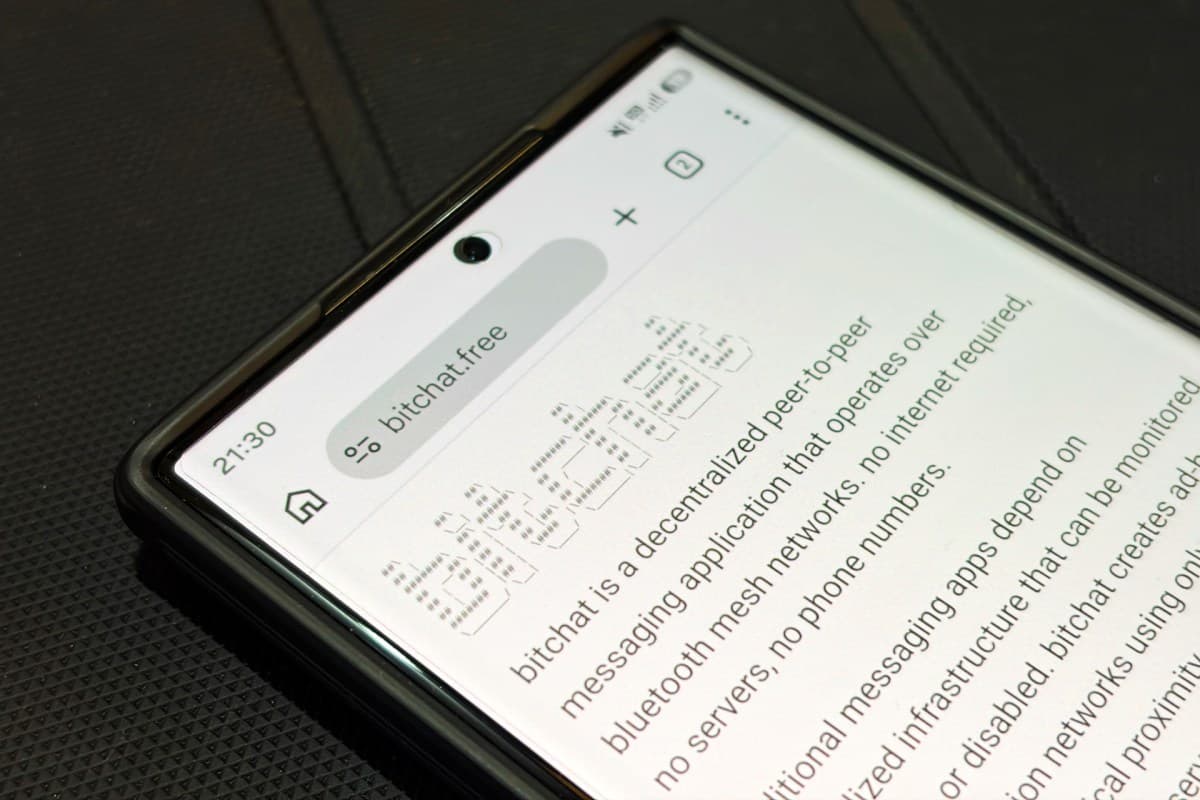
Bitchat is a decentralized messaging app that relies on Bluetooth and peer-to-peer networking. Imagine it as passing notes directly between phones, instead of sending them through a central server like WhatsApp or iMessage. This means it continues to function even when mobile data or Wi-Fi is unavailable.
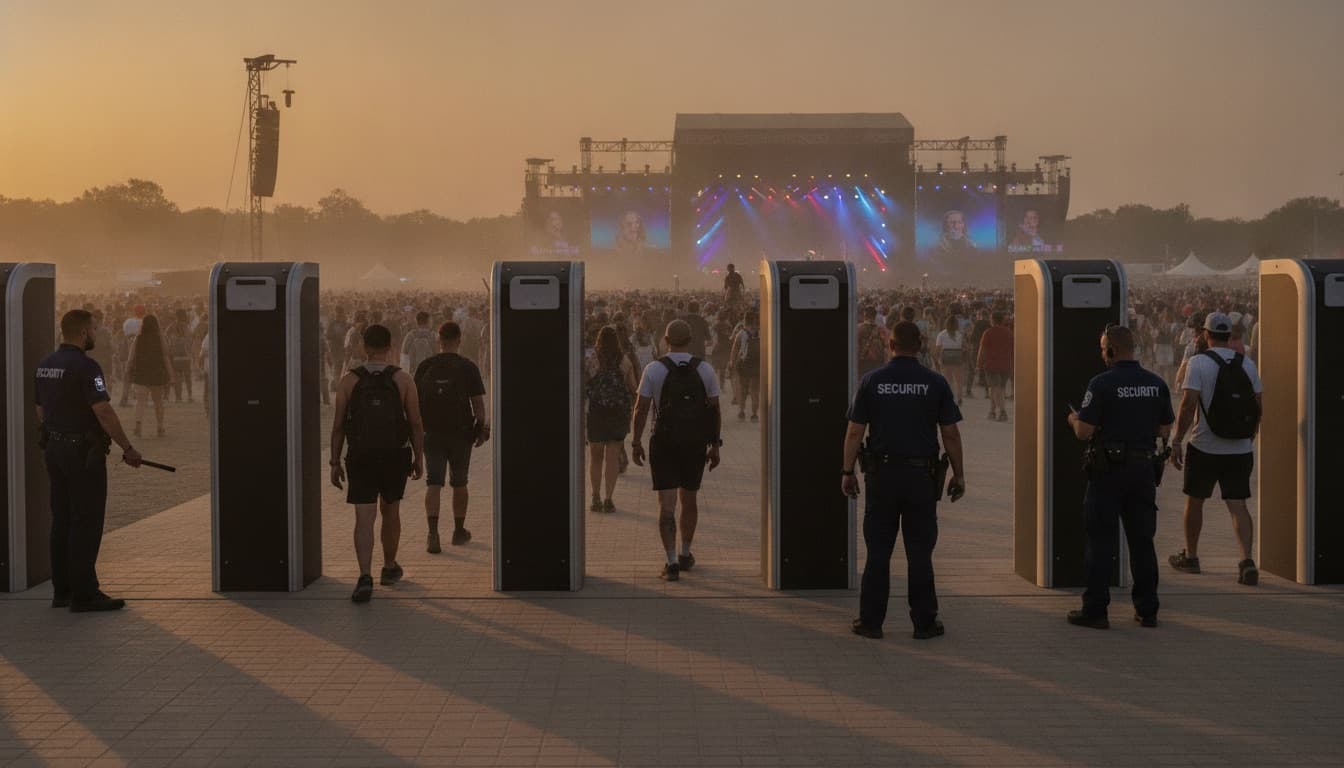
This unique design proved invaluable for protesters in New Delhi. They reportedly used the app to organize themselves when authorities cut internet access in parts of the city. As a result, downloads surged during the unrest, catching the attention of Indian regulators.
The Government’s Move
Indian officials are working to have Bitchat removed from app stores and restricted within the country. They cite worries about the app being used to organize protests without government oversight. This approach resembles actions taken in other countries, where app store removal orders targeted Telegram and various VPN (Virtual Private Network) apps in India.
The legal angle here is intriguing. Traditional internet shutdowns and app blocks usually cut off the connection between your phone and a company’s servers. However, Bitchat avoids that connection. While blocking it in app stores stops new downloads, anyone who has already installed the app can continue using it. It’s similar to banning walkie-talkies by refusing to sell new ones; the devices already in use still work.
The Legal Debate
Now, legal experts are questioning whether India’s existing IT laws, which focus on server-based apps, truly enable authorities to restrict software like Bitchat. The Information Technology Act allows the government to block “intermediaries” (the companies that facilitate data transfer), but Bitchat’s unique setup means there’s no typical intermediary to target.
Digital rights advocates warn that this move could set a troubling precedent. If governments can demand app store removals for any software used during protests, they could easily limit communication tools without a solid legal framework backing their actions.
On the flip side, some legal analysts argue that India, like many democracies, has the right to regulate communication platforms within its borders. They believe that just because an app is decentralized doesn’t mean it shouldn’t be subject to oversight.
Dorsey’s Role
Jack Dorsey has a history of clashing with the Indian government. During his time at Twitter, he publicly criticized the government’s requests to take down accounts related to farmer protests in 2021. His involvement with Bitchat adds a notable layer to this situation. The ongoing conflict between Dorsey and the Indian government reflects a broader disagreement over platform regulation and free speech limits.
| Metric | Detail |
|---|---|
| Technology used | Bluetooth + peer-to-peer mesh networking |
| Internet required? | No — works offline between nearby devices |
| Trigger for India action | Surge in use during New Delhi protests |
| Key backer | Jack Dorsey, Twitter co-founder |
| Primary legal question | Whether existing IT laws cover server-free apps |
What This Means
For users, this situation raises a crucial question: can your government restrict your ability to communicate with those nearby, even without the internet? Previously, an internet or mobile data shutdown was a common way for authorities to control digital communication during sensitive times. Apps like Bitchat aim to bridge that gap.
If you live in a country that frequently experiences internet shutdowns—India leads the world in government-ordered shutdowns—Bitchat could offer a valuable alternative. However, this case illustrates that these apps are not entirely immune to regulatory pressures. App store actions remain a significant tool for governments, even if they’re not perfect.
This scenario also highlights how the rules governing apps and communication were created before decentralized, offline-capable tools existed. Now, governments and courts are racing to catch up.
Community Reaction
“The fact that India can’t just flip a switch and kill Bitchat the way they do with VPNs is kind of the whole point of the app’s design. This is exactly the use case it was built for.”
“Dorsey vs. India round two. Except this time he built something they literally can’t turn off from a server room.”
What To Watch
- App store compliance: Keep an eye on whether Apple and Google follow any formal removal order in India. Both companies have previously removed apps under government pressure, including in Russia and China.
- Legal challenges: Digital rights organizations in India are likely to contest any formal block order in court. The outcome could set a precedent for how decentralized apps are regulated in the country.
- Copycat apps: If Bitchat’s offline structure proves tough to regulate, expect more developers to adopt similar designs. This could lead to more governments considering how to respond.
- Dorsey’s response: Dorsey has been vocal about government overreach on social platforms before. How he responds publicly could escalate or ease the standoff.
Sources

Daniel Park
Daniel Park covers AI, cloud infrastructure, and enterprise software for Explosion.com. A former software engineer who transitioned to technology journalism 5 years ago, Daniel brings technical depth to his reporting on artificial intelligence, startup funding rounds, and the companies building the future of computing. He breaks down complex AI developments and business strategies into clear, actionable insights for readers who want to understand how technology is reshaping industries.