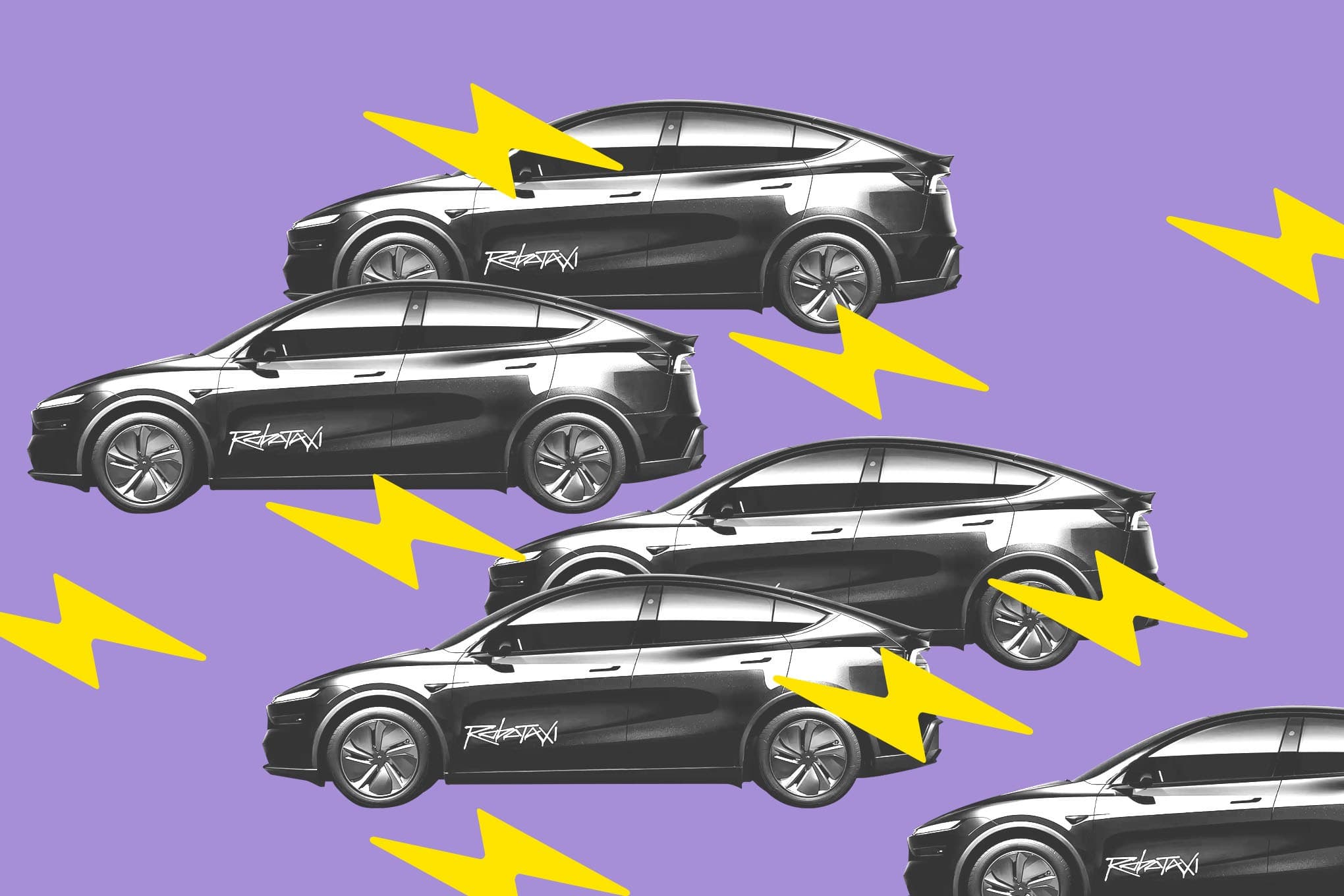
Tesla’s robotaxi program recorded a 36% drop in paid miles during the second quarter of 2026 compared to the first. This decline occurred even as the company expanded its service to new cities, according to Tesla’s earnings report.
This figure came up during Tesla’s Q2 earnings call, where CEO Elon Musk attempted to present the program’s developments in a positive light. He emphasized the addition of new cities, more riders, and increased experience on public roads. However, the crucial metric for any ride-hailing service — the miles customers are actually paying for — decreased instead.
What’s Really Going On With Tesla’s Robotaxis
Tesla’s autonomous vehicle service allows users to hail a self-driving car via an app, with no human safety driver present. Imagine it as Uber, but the car drives itself. Tesla has been gradually introducing this service in select U.S. cities, aiming to build a vast, profitable network over time.
The issue is that moving into more cities didn’t lead to an increase in rides. The 36% drop in paid mileage suggests fewer people are using the service, rides are getting shorter, or a mix of both. Tesla hasn’t clarified the reasons behind this decline.
During the earnings call, Musk pointed out the new city additions and overall fleet activity. Still, observers remarked that his usual confidence appeared more subdued than usual. This is notable since Musk has made bold predictions about Tesla’s autonomous driving timeline for years, many of which have not come to fruition.
How Tesla Compares to Waymo
A common comparison is with Waymo, which is Google’s self-driving car division under Alphabet. Waymo has been running commercial robotaxis in cities like San Francisco, Phoenix, and Los Angeles, and many reports indicate its service is logging more rides and covering more ground than Tesla’s.
The key difference lies in their approaches: Waymo employs a mix of cameras, radar, and lidar (a laser sensor system that creates a 3D map of the environment) for navigation. Tesla, however, relies solely on cameras, arguing that since humans drive using only their eyes, cameras should suffice. This philosophical distinction has tangible effects — Waymo’s system offers more sensor redundancy, while Tesla’s approach is cheaper to scale but has faced more criticism over edge cases.
| By The Numbers: Tesla Robotaxi Q2 2026 | |
|---|---|
| Paid mile change, Q1 to Q2 2026 | -36% |
| Direction of city expansion | Increasing |
| Human safety drivers in vehicle | None (unsupervised) |
| Main competitor | Waymo (Alphabet) |
Why More Cities Didn’t Result in More Miles
Launching a robotaxi service in a new city doesn’t automatically mean the cars will be busy. New locations often start with small fleets, limited operating hours, and restricted service areas. A single car operating in a new market for a few weeks might contribute little to overall mileage, even if Tesla claims it as a “city expansion.”
It’s similar to opening a new restaurant but only having two tables and serving lunch on Tuesdays. Technically, you’re in a new market, but practically, the revenue doesn’t reflect that.
Then there’s the matter of consumer demand. Early adopters might have already taken their novelty rides. Turning curious first-timers into regular users is a tougher challenge. Building trust in a self-driving car takes time, and even minor incidents can significantly undermine that trust.
What This Means for Everyday Users
If you don’t live in one of Tesla’s robotaxi cities, this news won’t change your life right now. But if you own Tesla stock, are waiting for improvements in Full Self-Driving (Tesla’s driver-assistance software), or are curious about whether autonomous ride-hailing will be a reality in your city, the Q2 numbers suggest you should manage your expectations.
Musk has often linked Tesla’s future valuation to its autonomous vehicle potential, arguing that the robotaxi network could eventually surpass Tesla’s car sales. A 36% drop in paid mileage during a period of active expansion doesn’t support that vision — at least not yet.
For riders, the takeaway is clear: this service isn’t ready to replace your usual commuting options. It’s still in the experimental phase, limited in geography, and clearly facing demand challenges.
Community Reactions
“Expanding to new cities while paid miles drop is just spreading thin. That’s not growth, that’s dilution.”
“The city expansion narrative is doing a lot of heavy lifting when the actual usage number went backwards. At some point, the metrics have to tell the real story.”
What To Watch
- Q3 2026 earnings: The next quarterly report will reveal whether paid mileage rebounds or continues to decline. A second consecutive drop would be tougher to explain.
- City expansion pace: Tesla has indicated that more cities are on the way. Watch to see if new markets come with substantial fleet sizes or remain token efforts.
- Waymo comparison data: Alphabet periodically releases Waymo ride and mileage data. A direct comparison in the same quarter would clarify where Tesla stands.
- Incident reports: Any public safety incidents involving unsupervised Tesla vehicles could impact both regulatory approvals and consumer trust.
Sources: The Verge: Tesla’s robotaxi promises are clashing with reality | TechCrunch: Tesla’s robotaxis are moving in reverse

Ava Mitchell
Ava Mitchell is a digital culture journalist at Explosion.com covering social media platforms, streaming services, and the creator economy. With 4 years reporting on TikTok, Instagram, YouTube, and the apps that shape daily life, Ava specializes in explaining platform policy changes and their impact on everyday users. She previously managed social media strategy for a tech startup, giving her firsthand experience with the platforms she now covers.