The Galaxy Watch Ultra 2 and Galaxy Watch 9 from Samsung have officially arrived, showcasing genuine advancements in battery life and AI features, though their price tags might make you hesitate.
These two smartwatches were introduced during Samsung’s latest hardware announcement, part of the company’s ongoing strategy to compete with the Apple Watch. They aim to offer premium features while establishing a distinct identity through enhanced Android integration and health tracking capabilities.
What’s New on Your Wrist
Samsung’s Galaxy AI platform plays a major role in both watches. This term encompasses the on-device and cloud-based AI features included in its gadgets. For the watches, this means smarter health coaching, more precise sleep analysis, and improved heart rate monitoring. Samsung claims the new tech can differentiate between exercise-induced spikes and potential irregularities that need attention.
Battery life, often a weak point for smartwatches, sees a notable improvement in both models. Although Samsung hasn’t shared specific hour counts for all usage modes yet, early reviews from Mashable highlight a clear enhancement compared to last year’s models. This upgrade may finally allow you to get through two full days without searching for a charger.
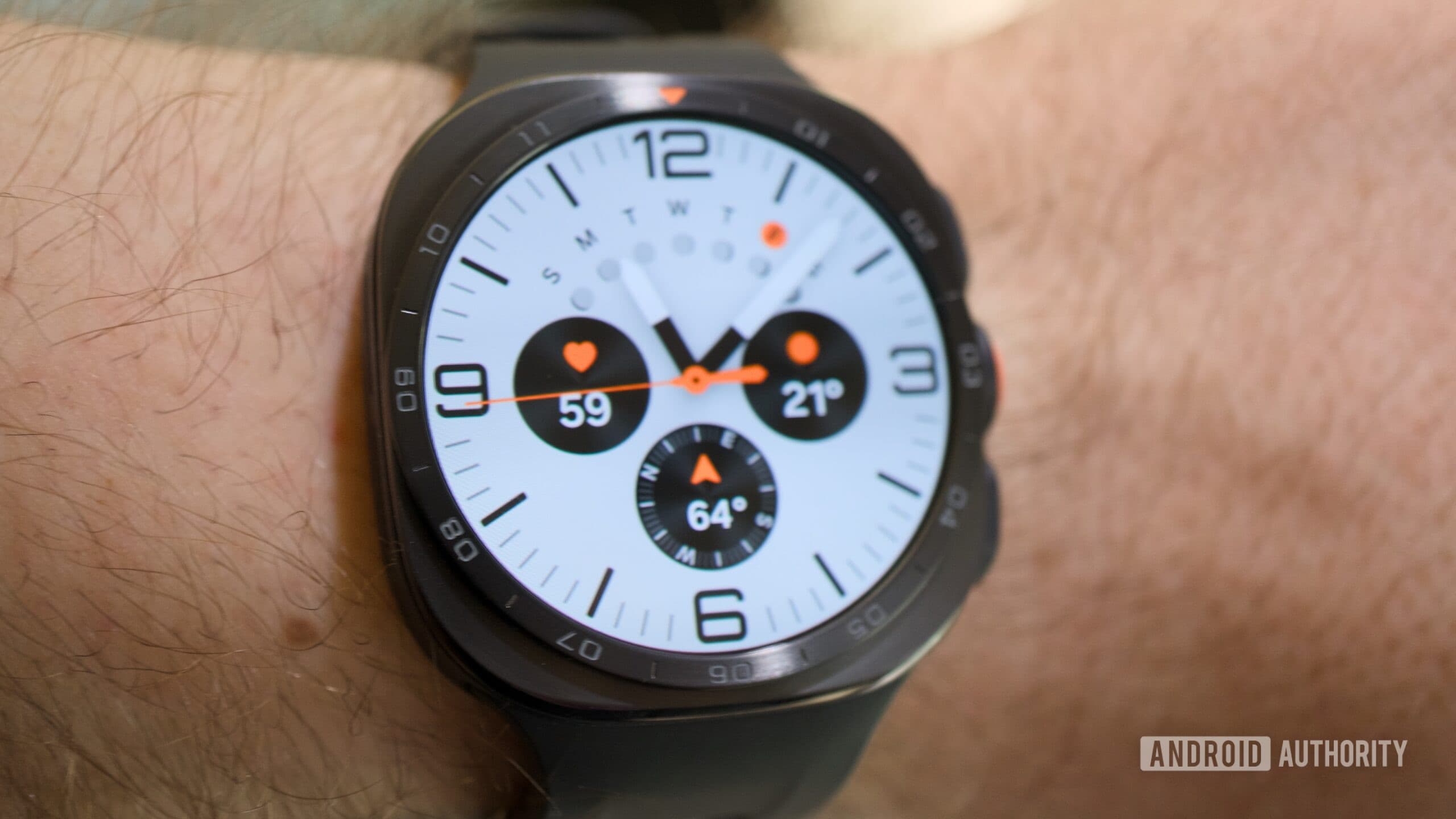
The Galaxy Watch Ultra 2 retains its rugged, sport-oriented design from the original but comes with upgraded sensors and a brighter display. It’s like the “no excuses” watch, perfect for tracking a triathlon in the morning and a board meeting in the afternoon.
The Diving Feature Has a Catch
A standout feature for the Watch Ultra 2 is its dedicated Diving app, which tracks depth, water temperature, and dive duration for both scuba and free divers. However, Android Authority reports that accessing the full range of diving features will require a subscription.
While details on the subscription tiers for the Diving app are still pending, this trend mirrors what we’ve seen in wearables lately: buy the hardware, but pay for advanced features later. Garmin has adopted a similar model, and Apple encourages users to subscribe to Apple Fitness+ for deeper workout insights.
If you’re a casual swimmer, don’t worry—basic water resistance is included without any subscription. The paywall applies specifically to the advanced dive logging and analytical features that serious divers would want. For more on the subscription tiers, check out Android Authority’s early breakdown if you’re planning to take the watch underwater.
Higher Prices Across the Board
Samsung has been clear about moving its smartwatch lineup upmarket. The Galaxy Watch Ultra 2 will likely carry a price similar to or exceeding that of its predecessor, which debuted at $649.99. The standard Galaxy Watch 9 also sees a price increase compared to the Watch 7.
This places Samsung in direct competition with the Apple Watch Ultra 2, which starts at $799. Mashable’s first look at both watches notes the pricing trend but suggests that the feature upgrades might justify the higher cost for those already invested in the Samsung ecosystem.
| Detail | Info |
|---|---|
| Galaxy Watch Ultra 1 launch price | $649.99 |
| Apple Watch Ultra 2 starting price | $799 |
| Diving app access | Subscription required for advanced features |
| Key upgrades | Battery life, Galaxy AI health coaching, brighter display |
| Water resistance | Basic included; advanced dive logging behind paywall |
What This Means
The Galaxy Watch 9 is likely the more practical choice for everyday users. If you’re upgrading from a Watch 5 or Watch 6, the improvements in battery life and AI features are enough to feel like a real upgrade, not just a minor tweak. Sleep tracking has enhanced significantly, allowing Samsung to detect more sleep stages accurately—great if you’re looking to act on that information.
For fitness buffs and outdoor adventurers, the Watch Ultra 2 offers enticing hardware. But keep in mind the subscription model for diving features when considering the overall cost. If diving is a regular activity for you, factor in that additional monthly or annual fee before making a purchase.
There’s a broader trend here: premium smartwatches are increasingly becoming software platforms rather than just hardware purchases. The watch itself is becoming more of an entry point.
What People Are Saying
“The battery improvement is the only thing I actually care about. My Watch 6 barely makes it to dinner. If Ultra 2 actually lasts two days I’ll pay the premium.”
— u/wrist_tech_daily, r/GalaxyWatch
“Another subscription for diving features on a $650+ watch is wild to me. At some point you’re just renting the product you bought.”
— YouTube comment on Android Authority’s Watch Ultra 2 hands-on video
What To Watch
- Official pricing confirmation: Samsung is expected to finalize prices for both watches before their retail launch. Keep an eye out for announcements in the coming weeks.
- Diving subscription tier details: Android Authority has noted that the full pricing for the Diving app tiers hasn’t been revealed yet. Expect more information closer to the app’s launch date.
- Apple’s response: Apple is anticipated to announce the Apple Watch Series 11 and a potential Apple Watch Ultra 3 this fall. How Samsung’s pricing holds up against Apple’s next moves will be key for the premium wearables market throughout 2026.
- Galaxy AI health features: Samsung has been gradually rolling out AI health tools across its ecosystem. Watch for updates on how the Watch 9’s coaching features integrate with the Galaxy Health app and third-party platforms like Google Health Connect.

Daniel Park
Daniel Park covers AI, cloud infrastructure, and enterprise software for Explosion.com. A former software engineer who transitioned to technology journalism 5 years ago, Daniel brings technical depth to his reporting on artificial intelligence, startup funding rounds, and the companies building the future of computing. He breaks down complex AI developments and business strategies into clear, actionable insights for readers who want to understand how technology is reshaping industries.