Microsoft has rolled out original Xbox backward compatibility for Windows PCs. This lets players enjoy classic games from the early 2000s on their computers for the first time. The initial wave includes four games, and you won’t need cutting-edge hardware — even an 11-year-old graphics card can do the trick.
| Microsoft (MSFT) — By The Numbers | |
|---|---|
| Stock Price | $464.72 (+3.02%) |
| CEO | Satya Nadella |
| Headquarters | Redmond, WA |
| Founded | 1975 |
| Sector | Big Tech |
| Initial Compatible Titles | 4 games |
| Minimum GPU Age | ~11 years old |
What’s Actually Happening
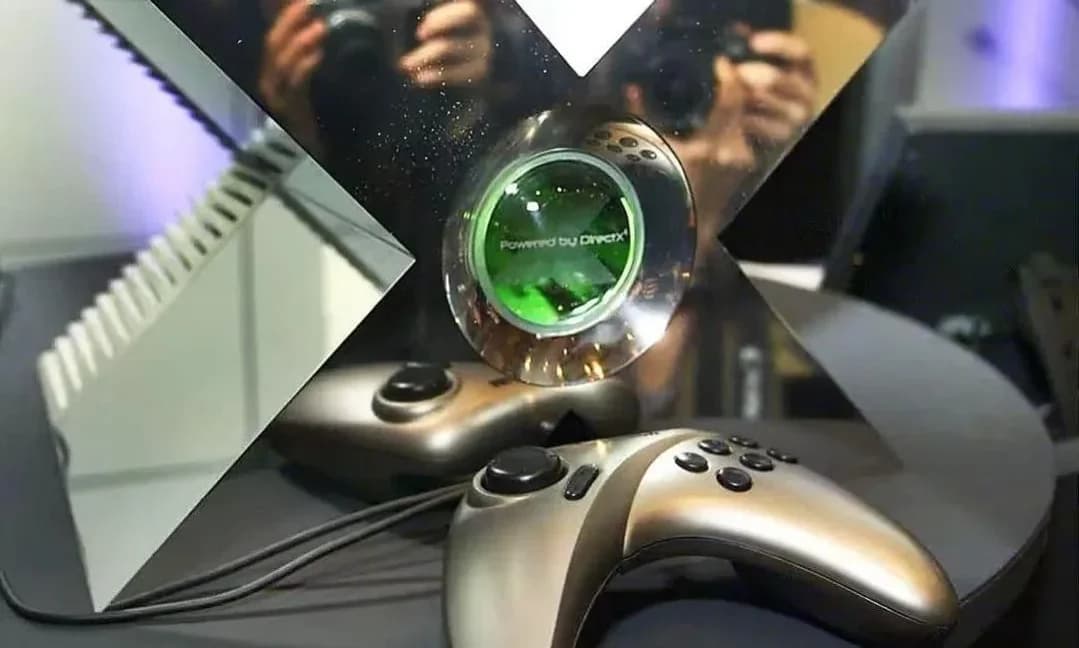
Microsoft is expanding its Xbox backward compatibility program to include Windows PCs. This means that games from the original Xbox, which debuted in 2001, can now be played directly on a Windows machine using the Xbox app.
The launch starts small, featuring just four titles. Microsoft hasn’t finalized its entire catalog yet. However, the low hardware requirements are a good sign for accessibility. If your PC has a graphics card from around 2014 or newer, you should be all set to play these games without any upgrades.
You can also play these games on Xbox consoles and through Xbox Cloud Gaming, Microsoft’s game-streaming service. This means you’re not confined to a single platform. Handheld gaming PCs like the ASUS ROG Ally or Lenovo Legion Go are included too.
Why Original Xbox Games Are a Big Deal
The original Xbox boasted a library of about 1,000 games, many of which haven’t been available on modern hardware. It’s like discovering your old VHS collection can now play on a new TV without any extra gadgets — legally and with original quality intact.
Several of these games have never seen a remaster or a re-release on PC. For fans of early 2000s gaming, titles like Jet Set Radio Future, Panzer Dragoon Orta, or Crimson Skies now have a legitimate way to be played without needing the original console or relying on unofficial emulators.
Microsoft has confirmed that achievements will be supported for backward compatible titles. This adds a modern twist, linking these classic games to the broader Xbox ecosystem.
What This Means for Everyday Users
If you’re a Windows PC user interested in gaming, this opens a door that’s been shut for over 20 years. You won’t need a console, old hardware from eBay, or a high-end gaming rig. The Xbox app already supports modern Game Pass titles, and original Xbox games will fit right in alongside them.
This is especially exciting for handheld gaming PC owners. Devices like the Steam Deck or ROG Ally are popular for their versatility. Adding a library of classic console games only enhances their appeal.
The downside is the limited catalog. Four games are just a start, not the end goal. How quickly Microsoft adds more titles will determine whether this feature becomes a major selling point or just a minor note.
Community Reactions
“Finally. I’ve been waiting for Jet Set Radio Future on PC basically my entire adult life. Four games is a tease but I’ll take it.”
“The fact that it works on a GTX 970-era card is wild. My old office PC might actually be able to run these. This is how you expand your platform.”
What To Watch
- Catalog expansion: Microsoft hasn’t provided a timeline for adding more original Xbox titles. Keep an eye out for announcements at future Xbox events or Direct showcases — the speed of additions will be the real test of this program’s ambition.
- Game Pass integration: Watch to see if backward compatible titles get included in Game Pass subscriptions, or if they’ll require separate purchases.
- Broader backward compatibility: Microsoft has an existing program for Xbox 360 games on modern consoles. Whether that library will also come to PC is an important question this launch raises.
- Third-party licensing: Some original Xbox games involve publishers that no longer exist or have changed hands. How Microsoft navigates these titles will impact how complete the final library becomes.
Sources: Ars Technica | Android Authority

Daniel Park
Daniel Park covers AI, cloud infrastructure, and enterprise software for Explosion.com. A former software engineer who transitioned to technology journalism 5 years ago, Daniel brings technical depth to his reporting on artificial intelligence, startup funding rounds, and the companies building the future of computing. He breaks down complex AI developments and business strategies into clear, actionable insights for readers who want to understand how technology is reshaping industries.