Samsung’s Galaxy Watch lineup just introduced one of its boldest health features: a tool named Vitals that claims to predict when you might get sick before any symptoms emerge. Announced at Samsung Galaxy Unpacked 2026, Vitals adds to the growing trend of wearable health technology aimed at identifying illnesses early, although Samsung isn’t the first to venture into this territory.
| Samsung — By The Numbers | |
|---|---|
| CEO | Jong-Hee Han |
| Headquarters | Seoul, South Korea |
| Founded | 1938 |
| Ticker | 005930.KS |
| Stock Price | $262,500 (+26.81%) |
| Sector | Hardware |
What Is Vitals, Exactly?
Vitals is a health monitoring feature integrated into Samsung Galaxy Watches. It tracks various biometric signals — like heart rate variability, skin temperature, blood oxygen levels, and sleep quality — to alert you when your body might be fighting off an illness.
Think of it as your immune system’s check-engine light. Your body often reacts to a virus or infection hours or even days before you notice any symptoms. Vitals aims to catch those subtle changes in your baseline data and notify you that something might be on the way.
This feature was unveiled at Samsung Galaxy Unpacked 2026 and is being rolled out to compatible Galaxy Watch models.
Samsung Isn’t the Pioneer Here
Let’s be clear: Samsung didn’t invent illness prediction for wearables. Fitbit, now part of Google, launched a similar feature called Health Metrics years ago. Garmin has had Body Battery and respiratory rate tracking available for some time. Even the Oura Ring, which popularized biometric tracking among everyday consumers, has provided illness prediction signals for several years.
What Samsung is doing is bringing this functionality to one of the largest user bases in the wearable market. The Galaxy Watch is a mainstream product found on millions of wrists globally. So, introducing a feature like this to such a broad audience is still significant, even if the technology isn’t groundbreaking.
Galaxy Ring Gets Sleep Apnea Screening Too
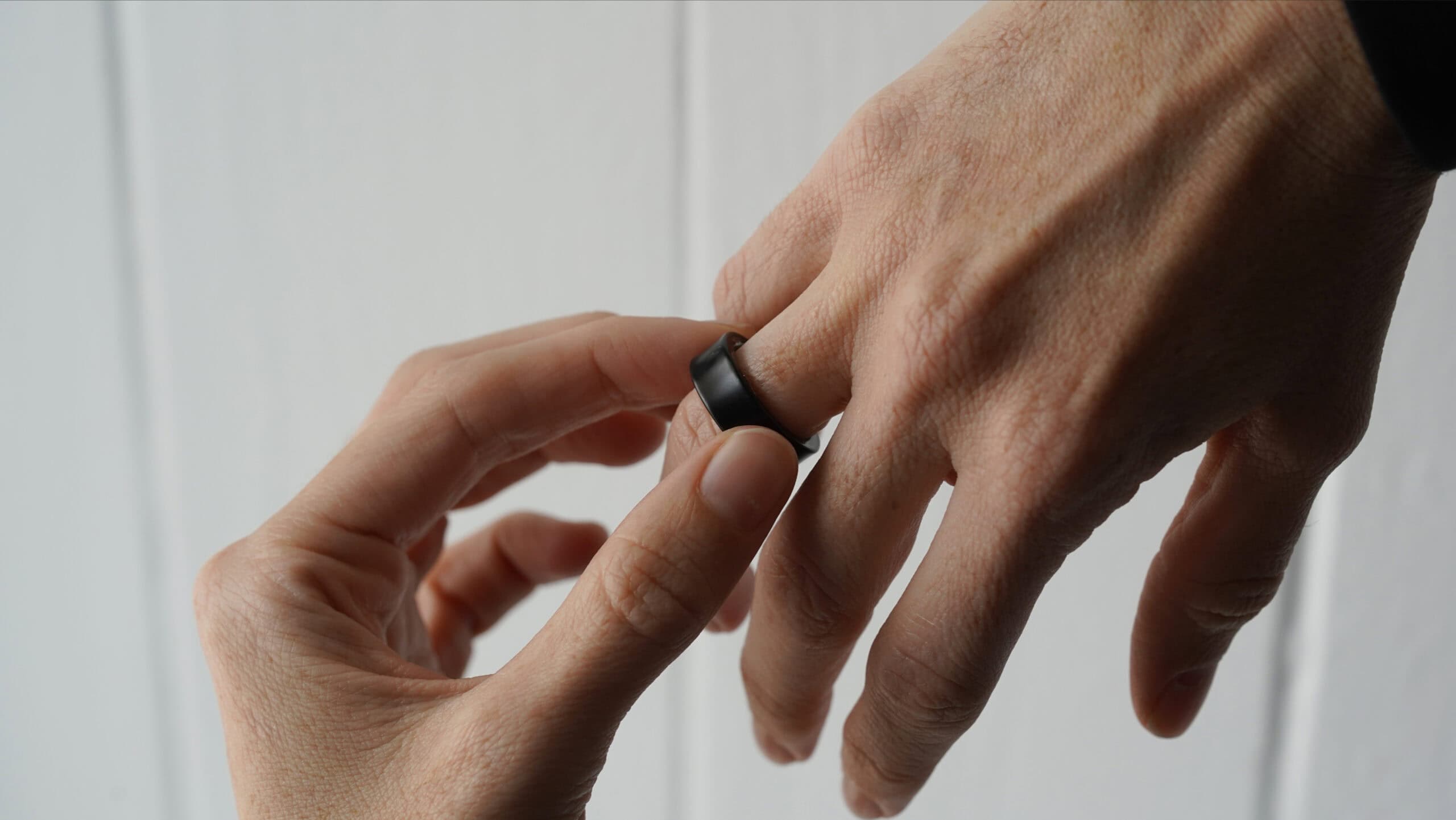
The Vitals feature on Galaxy Watch isn’t the only health enhancement Samsung announced. The Galaxy Ring — Samsung’s smart ring that competes with Oura — is set to add sleep apnea risk detection later this year, according to Android Authority.
Sleep apnea is a condition that causes your breathing to start and stop repeatedly during sleep, often without your awareness. It’s linked to serious long-term health issues like heart disease and high blood pressure. Many people remain undiagnosed for years because symptoms usually occur while they’re asleep.
While the Galaxy Ring feature won’t diagnose sleep apnea — that still requires a clinical sleep study — it will flag users who exhibit patterns that could warrant a discussion with a doctor. Early nudges like this can genuinely impact public health.
What This Means for Everyday Users
If you have a Galaxy Watch, Vitals could become a valuable part of your daily health routine, especially during cold and flu season. An alert saying “your body is showing early stress signals” gives you a chance to rest, hydrate, and skip that busy meeting before you end up sick for three days.
That said, it’s wise to keep expectations realistic. These systems compare your current readings against your personal baseline. This means your watch needs several weeks of your data to make accurate predictions. New users won’t see useful illness alerts immediately.
There’s also the issue of false positives. A rough night’s sleep or a stressful week can trigger similar biometric changes as early illness. Samsung hasn’t released detailed accuracy numbers for Vitals yet, so it’s hard to say how reliably it distinguishes between “you’re getting sick” and “you just had a tough few days.”
For Galaxy Ring users, the sleep apnea screening adds another incentive to choose Samsung’s wearable ecosystem over competitors. This is especially true for those who’ve been told they snore or who wake up feeling tired despite a full night’s sleep.
Community Reaction
Online reactions have been mixed. Some users are excited about the practical benefits, while others express concerns about accuracy and data privacy.
“The illness detection sounds great in theory, but I’ll believe it when I see it work consistently. My Garmin has ‘body battery’ and half the time it says I’m fine when I feel terrible.”
“Sleep apnea detection on the Ring is actually the bigger deal here. So many people have it and don’t know. If this gets even a fraction of them to talk to a doctor, that’s a real win.”
What To Watch
- Sleep apnea feature rollout: Samsung has confirmed that the Galaxy Ring’s sleep apnea risk detection is coming “this fall.” Expect more details around September or October 2026.
- Accuracy data: Keep an eye out for independent reviews or clinical comparisons of Vitals against existing illness-prediction tools from Oura and Fitbit. This data will help us understand if Samsung has made meaningful improvements.
- Regulatory approval: Health features like sleep apnea screening often need clearance from regulators like the FDA. Samsung must navigate that process before the feature can make medical claims in the US market.
- Galaxy S26 and One UI 9: Samsung’s software rollout has been uneven lately, with Galaxy S26 users still waiting on One UI 9. It’ll be interesting to see whether Vitals reaches all compatible devices smoothly or follows a staggered release pattern.

Daniel Park
Daniel Park covers AI, cloud infrastructure, and enterprise software for Explosion.com. A former software engineer who transitioned to technology journalism 5 years ago, Daniel brings technical depth to his reporting on artificial intelligence, startup funding rounds, and the companies building the future of computing. He breaks down complex AI developments and business strategies into clear, actionable insights for readers who want to understand how technology is reshaping industries.