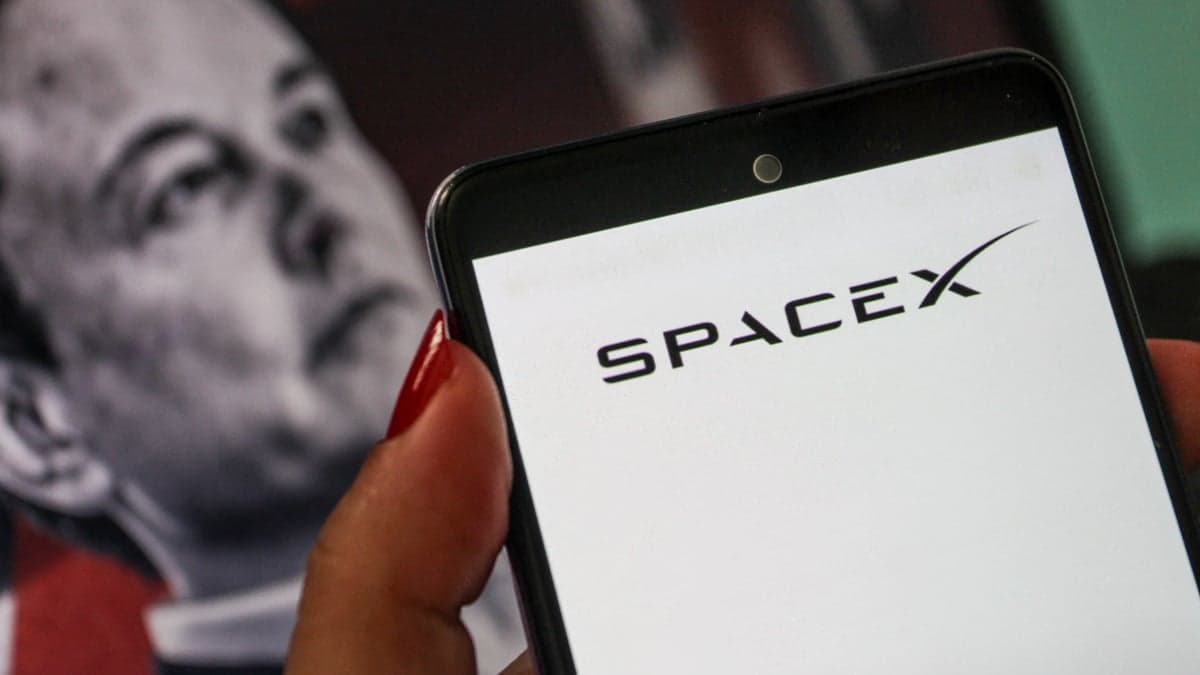
SpaceX stock has fallen for seven days in a row, sparking concerns about investor confidence in Elon Musk’s space and AI venture and what this trend means for the wider tech market.
A Week of Losses
Seven consecutive days of declining share prices grab Wall Street’s attention. For SpaceX, which trades on private markets via secondary exchanges instead of a traditional public stock listing, this kind of dip is significant. It reflects the mood among a select group of investors — primarily institutional buyers and accredited investors, not the average retail traders buying shares on platforms like Robinhood.
The timing is crucial. Investors across the tech sector are reevaluating their stakes in AI-driven companies, asking a straightforward question: when will they see their money back? SpaceX operates at a unique crossroads of space infrastructure, Starlink satellite internet, and AI projects, making it vulnerable to shifts in sentiment around high-cost, long-term tech investments.
Imagine a restaurant that’s been busy every night for two years because everyone expects it to expand into a chain. If a few regulars stop coming, news spreads quickly — even if the food remains the same.
Why Investors Are Getting Nervous
A report from Mashable highlights that investors are particularly questioning their AI investments. This sentiment has echoed across several high-profile companies lately. SpaceX’s link to AI comes through Grok, the chatbot created by Musk’s separate AI company, xAI, alongside the computing infrastructure that Starlink could potentially offer for AI tasks.
However, this decline might also point to something more fundamental: a broader adjustment occurring in tech investing. After years of funding companies with grand promises and distant payoffs, some investors are pulling back and seeking clearer returns sooner.
SpaceX continues to be one of the most valuable private firms globally. So, a week-long dip doesn’t endanger its operations. Yet, it suggests that the premium investors have been willing to pay for ventures connected to Musk is under scrutiny.
| Metric | Detail |
|---|---|
| Stock trend | 7 consecutive days of decline |
| Company type | Privately held (trades on secondary markets) |
| Key revenue arm | Starlink satellite internet service |
| Estimated valuation (recent rounds) | $350 billion+ |
| Primary investor concern | AI investment returns across sector |
What This Means
If you’re a Starlink subscriber or a SpaceX enthusiast watching rocket launches online, this week’s stock decline doesn’t directly impact the service you’re using. Since SpaceX isn’t publicly traded, a dip won’t immediately affect a 401(k) or retirement account like a Tesla or Apple drop might.
The real-world effect is more subtle. If investor confidence remains weak, SpaceX could face higher costs in its next round of private funding. The company needs steady capital to continue expanding Starlink’s satellite network and support Starship development. Less favorable funding conditions could slow service expansion or delay new market rollouts for Starlink coverage.
For the larger tech market, a prolonged slide for SpaceX adds to the evidence that the AI spending boom is entering a more cautious phase. Companies demonstrating clear, near-term revenue from their AI investments are faring better than those still waiting for theoretical payoffs.
What People Are Saying
“SpaceX being down for a week is actually wild to me. This thing was supposed to be recession-proof because of Starlink contracts. Shows you nothing is immune right now.”
“The AI skepticism spreading to SpaceX is interesting. They’re a rocket company first. Feels like everything Musk touches is getting lumped together in investor minds.”
The Bigger Picture: When Big Bets Stop Paying
SpaceX’s situation reflects a trend across the tech industry right now. Companies that based their valuations on long-term, infrastructure-heavy investments — whether in AI data centers, satellite networks, or connected vehicles — are all facing the same investor question: what’s the return, and when can we expect it?
Automakers are experiencing a similar reckoning with connected car features. Manufacturers have promised app-driven services but are struggling to maintain cloud support for vehicles currently on the road. The common thread is the gap between what was promised and the actual cost of maintaining the infrastructure.
SpaceX has stronger fundamentals than many — Starlink boasts millions of paying customers and active government contracts — but it’s not completely shielded from a market that’s grown tired of the “build now, profit later” approach that defined the last decade of tech investment.
What To Watch
- Starlink subscriber growth numbers: Any official update on active subscriptions will be a key signal for whether Starlink’s revenue growth can justify SpaceX’s valuation during this period of investor skepticism.
- Next SpaceX funding round: The terms and valuation of SpaceX’s next private funding raise will reveal how much, if any, lasting damage this slide does to the company’s perceived worth among institutional investors.
- Broader AI investment sentiment: If the sector-wide pullback on AI spending continues through Q3 2026, companies like SpaceX with significant AI exposure could face ongoing pressure. Keep an eye on earnings calls from major tech firms for hints.
- Starship launch schedule: A successful high-profile Starship test or commercial milestone could quickly shift the narrative back in SpaceX’s favor, as it has done before.
Sources: Mashable, Ars Technica

Daniel Park
Daniel Park covers AI, cloud infrastructure, and enterprise software for Explosion.com. A former software engineer who transitioned to technology journalism 5 years ago, Daniel brings technical depth to his reporting on artificial intelligence, startup funding rounds, and the companies building the future of computing. He breaks down complex AI developments and business strategies into clear, actionable insights for readers who want to understand how technology is reshaping industries.