
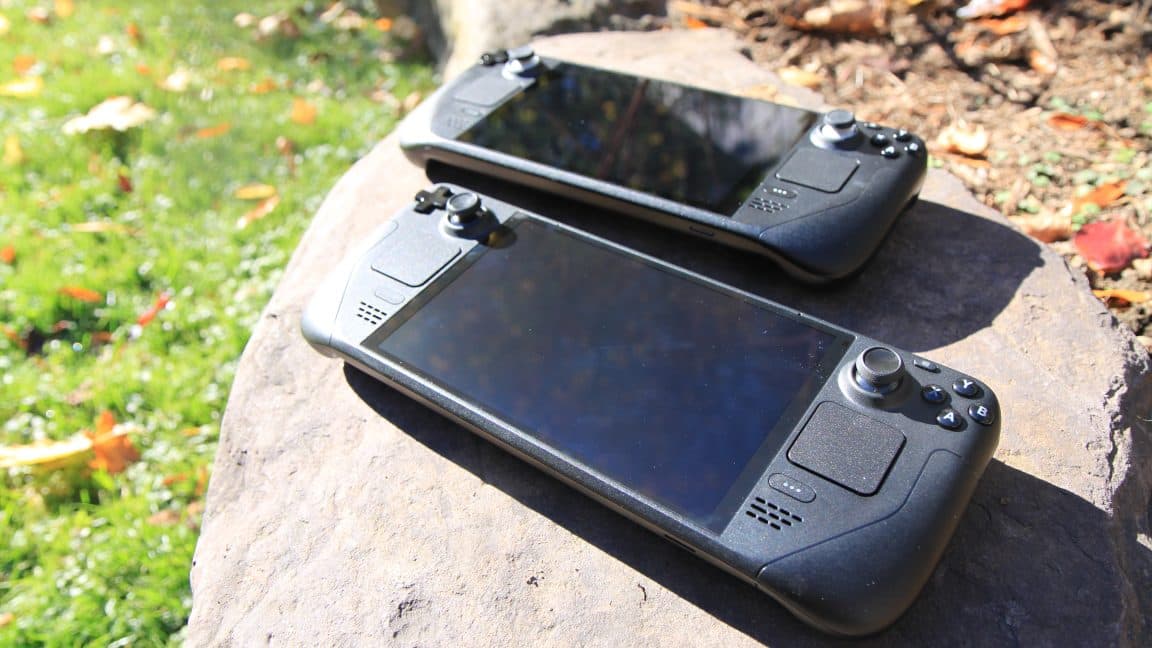
Valve’s Steam Deck handheld gaming PC has experienced an 80 percent drop in sales compared to its 2025 rate, according to bestseller chart analysis from Ars Technica. This decline follows a price increase that took effect in May 2026.
What Happened
The Steam Deck, which lets you enjoy PC games on a portable console, had consistently ranked high on Amazon and Steam’s bestseller charts throughout most of 2025. However, after Valve raised prices earlier this year, its position dropped sharply. Sales have now been tracking about 80 percent lower than last year’s pace.
Chart position often serves as a proxy for actual unit sales, especially when a company doesn’t release official numbers. Since Valve doesn’t share Steam Deck sales figures, chart data is one of the few ways analysts and observers can assess how the product is doing in the market.
Why the Price Hike Matters
The Steam Deck attracted users primarily because of its value. Launched in 2022, the entry-level model started at $399, which undercut most gaming laptops by hundreds of dollars while still running a full PC gaming library. This price-to-performance ratio made it a real alternative to traditional handheld consoles like the Nintendo Switch.
A price increase disrupts that equation. Imagine a store-brand product that wins over customers because it’s cheaper than the name brand. If the price rises too much, shoppers start to wonder if the savings are still worth it. For the Steam Deck, the math now competes with rival handhelds from Asus (the ROG Ally), Lenovo (the Legion Go), and MSI, all of which have stepped up their game in price and performance over the past year.
The Broader Handheld Market
The handheld PC gaming market has grown much more competitive since the Steam Deck’s debut. Valve, which essentially started the mainstream handheld PC gaming trend, now faces strong competition from established hardware brands that have their own retail relationships and marketing budgets. Many of these competing devices run Windows instead of Valve’s custom SteamOS, which some users prefer for better software compatibility.
The timing also plays a role. Nintendo launched the Switch 2 in 2025, offering consumers a well-supported, polished handheld option at a competitive price. Any device asking for a higher price in this environment needs a solid reason to justify the cost.
| Metric | Detail |
|---|---|
| Sales drop since May 2026 | ~80% vs. 2025 rate |
| Price increase timing | May 2026 |
| Original launch price (2022) | $399 (entry model) |
| Main competitors | Asus ROG Ally, Lenovo Legion Go, MSI Claw |
| Operating system | SteamOS (Linux-based) |
What This Means for Everyday Users
If you already own a Steam Deck, you’re in good shape. Your device still works just as it did, and Valve continues to update SteamOS regularly.
If you were thinking about buying one, the slowdown in sales might actually work to your advantage. When sales drop, manufacturers and retailers often respond with discounts, bundles, or promotions to clear out inventory. Keep an eye on deal sites in the coming months.
For anyone shopping in the handheld PC gaming category, the price shift makes comparing competing devices easier. The ROG Ally and Legion Go aren’t dramatically more expensive than the Steam Deck anymore, which makes direct comparisons sensible before making a purchase.
Community Reaction
“Valve had the market to themselves for two years and just… didn’t do much with it. Now they raise prices right when the competition finally caught up. Bad timing doesn’t cover it.”
“I was literally about to buy one last month and saw the new price. Ended up getting an ROG Ally on sale instead. I’m sure I’m not the only one who did that.”
What To Watch
- Valve’s response: If sales stay low through the summer, Valve might consider introducing a discounted model, a new hardware revision, or a promotional price cut, possibly timed with the Steam Summer or Autumn sales events.
- Holiday 2026: The fourth quarter is the biggest season for hardware sales. How the Steam Deck performs from October to December will reveal whether this is just a temporary dip or part of a longer trend.
- SteamOS expansion: Valve is working to bring SteamOS to third-party handheld devices. If this effort gains traction, it could shift Valve’s focus from selling its own hardware to becoming the software platform for the handheld market.

Ava Mitchell
Ava Mitchell is a digital culture journalist at Explosion.com covering social media platforms, streaming services, and the creator economy. With 4 years reporting on TikTok, Instagram, YouTube, and the apps that shape daily life, Ava specializes in explaining platform policy changes and their impact on everyday users. She previously managed social media strategy for a tech startup, giving her firsthand experience with the platforms she now covers.


