
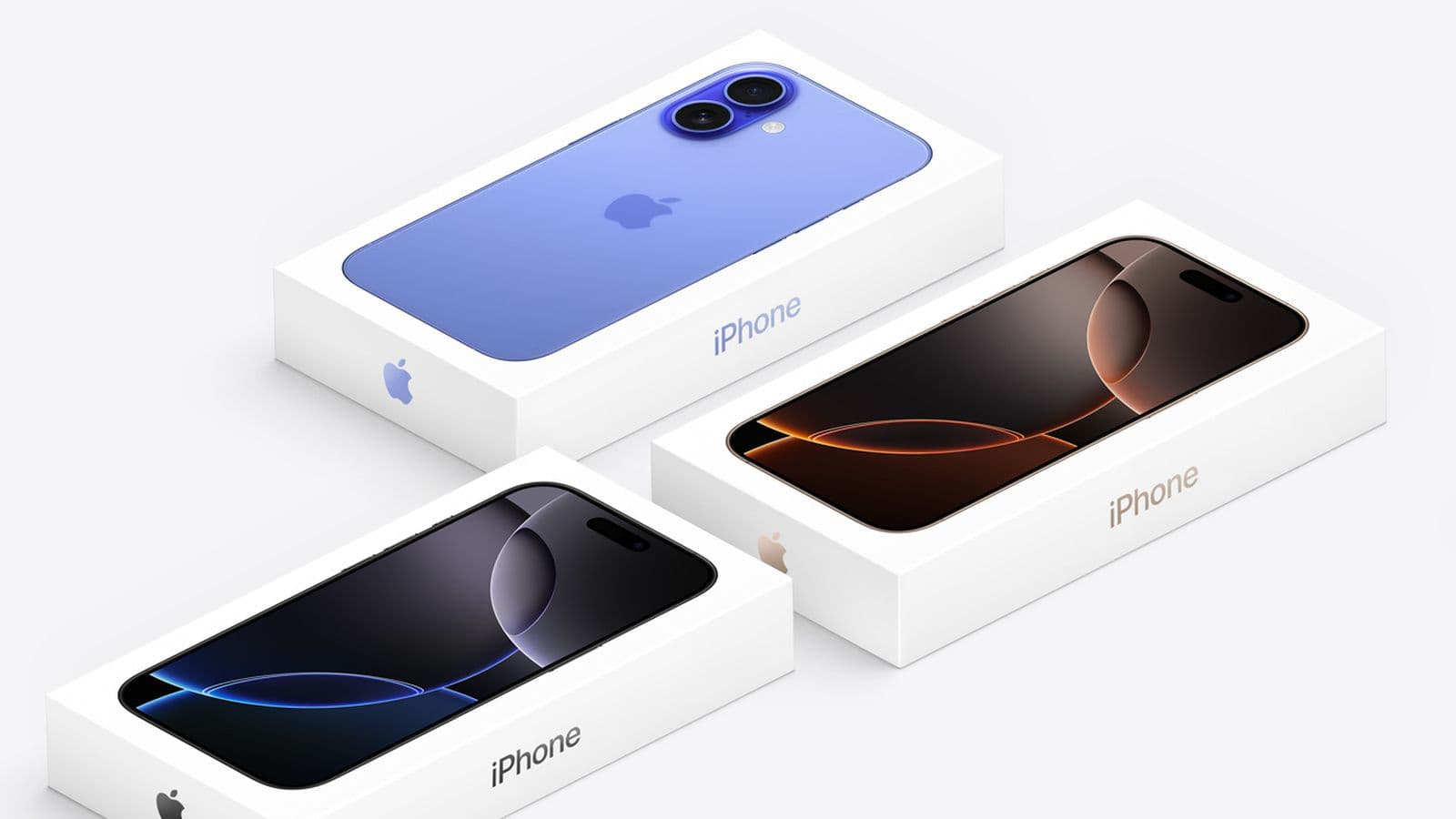
Apple is set to discontinue its iPhone Upgrade Program, introducing a new option called “Apple Upgrade,” according to reports from MacRumors and 9to5Mac. This change ends a service Apple has provided since 2015.
What Was the iPhone Upgrade Program?
The iPhone Upgrade Program allowed customers to lease a new iPhone every year through a monthly installment plan. Payments were spread over 24 months and included AppleCare+ coverage. This program was managed directly by Apple, unlike the offers from carriers like Verizon or AT&T. For those wanting the latest iPhone each fall without the hefty upfront cost, it was a handy solution.
Think of it like leasing a car — you don’t own it outright, but you can upgrade to a new model every year without a large one-time payment.
What Is Replacing It?
Apple is reportedly introducing “Apple Upgrade” as a direct substitute. While details on how this new program will operate are still scarce, sources suggest it will roll out shortly after the current program ends. This timing coincides with Apple’s usual fall iPhone release, hinting that the new structure may launch alongside the iPhone 17 lineup.
It remains unclear if “Apple Upgrade” will alter the monthly pricing, the timeline for eligibility, or the bundling of AppleCare+ — if it will be included at all. As of now, Apple hasn’t made any official announcements.
| Apple — Company Snapshot | |
|---|---|
| Ticker | AAPL |
| Stock Price | $331.72 (-1.91%) |
| CEO | Tim Cook |
| Headquarters | Cupertino, CA |
| Founded | 1976 |
| iPhone Upgrade Program Launch | 2015 |
Why Would Apple Make This Change?
Apple has been focused on growing its services division, which includes offerings like Apple TV+, iCloud, and Apple Music. By rebranding and restructuring its upgrade program, Apple likely aims to modernize how it sells hardware on a recurring basis. This could also align the program more closely with Apple One, its subscription bundle.
There’s also a competitive aspect to consider. Carriers have been aggressive with trade-in and upgrade deals, often providing free or discounted iPhones to secure customers in multi-year plans. By running its own program, Apple ensures some customers continue buying directly from them, which is crucial for both revenue and customer data.
What This Means for Everyday Users
If you’re currently in the iPhone Upgrade Program, keep an eye out in the coming weeks. Apple hasn’t confirmed how it will transition existing users. It’s uncertain whether they’ll move automatically to “Apple Upgrade” or if they’ll need to re-enroll.
If you’ve been thinking about joining, you might want to wait until you see the new program’s details. Terms, monthly costs, and upgrade timelines could change. If you prefer getting your iPhone through a carrier’s installment plan instead of directly from Apple, you probably won’t be affected.
Community Reaction
“Been on the iPhone Upgrade Program since 2016. Honestly fine with a rebrand as long as the annual upgrade and AppleCare bundle stays intact. That combo is why I use it over my carrier.”
— Reddit user via r/apple
“This feels like Apple quietly testing whether they can charge more under a new name. Will wait to see the actual pricing before assuming it’s the same deal.”
— YouTube comment on 9to5Mac coverage
What To Watch
- Fall 2026 iPhone event: Apple usually announces new iPhones in September. Expect details about the “Apple Upgrade” program around then.
- Official Apple announcement: Apple hasn’t publicly confirmed the shutdown yet. Check their newsroom and the Settings app for updates for enrolled users.
- Transition terms for existing members: The biggest question is what will happen to current users mid-contract on the old program. We should get clarity before or at the new program’s launch.
- Pricing comparison: Once Apple Upgrade details are available, comparing the monthly costs with carrier offers will be essential to see if it’s a better value.

Ava Mitchell
Ava Mitchell is a digital culture journalist at Explosion.com covering social media platforms, streaming services, and the creator economy. With 4 years reporting on TikTok, Instagram, YouTube, and the apps that shape daily life, Ava specializes in explaining platform policy changes and their impact on everyday users. She previously managed social media strategy for a tech startup, giving her firsthand experience with the platforms she now covers.


