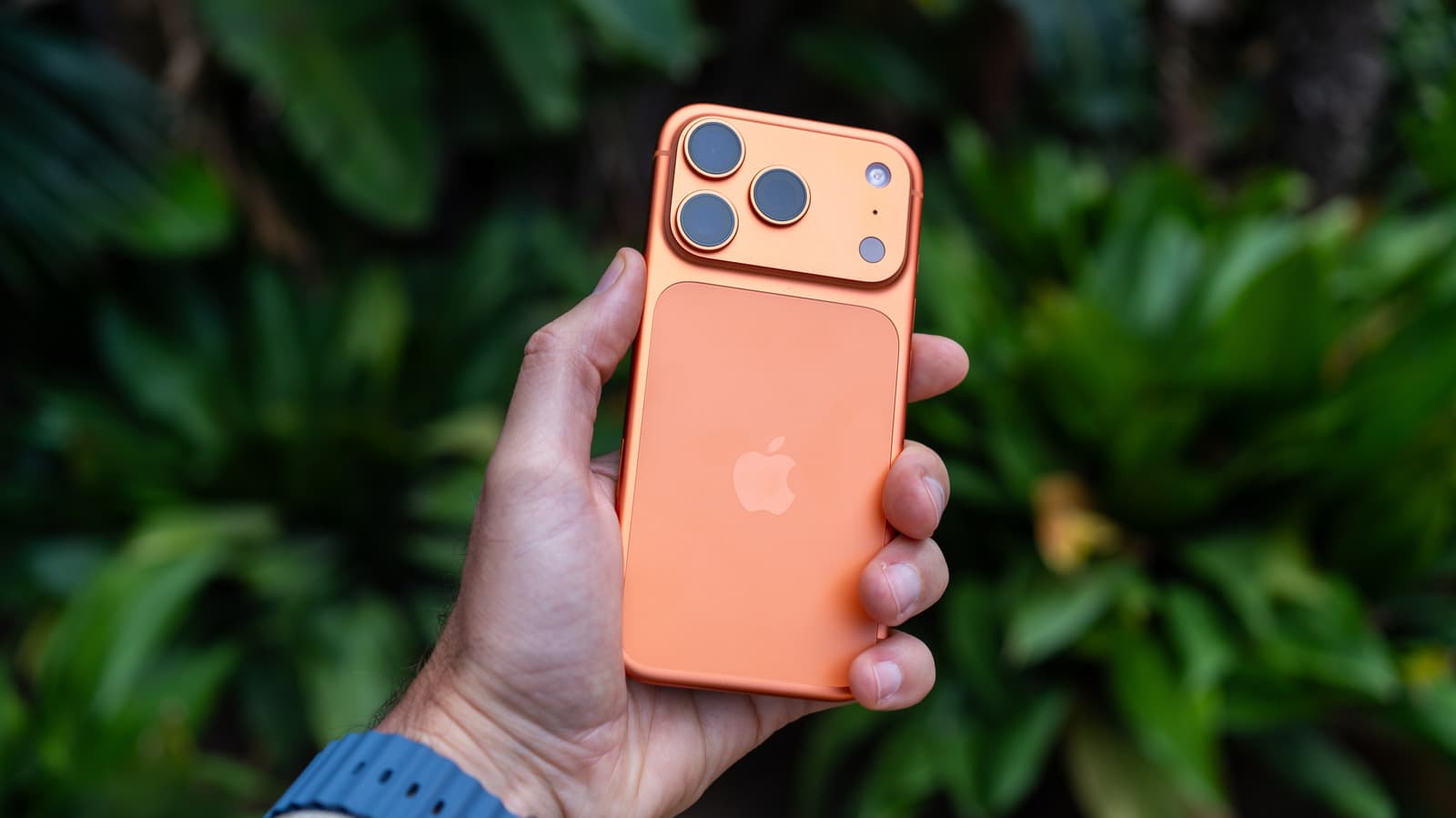
A new iPhone is built to last around four to six years for most users. However, Apple’s support policies and how people actually use their devices offer a clearer picture of what you can expect from a device priced between $799 and $1,199.
What Apple Actually Promises
Apple doesn’t provide a warranty card stating “this phone will work for five years.” Instead, the company communicates longevity in two main ways: software support and hardware durability.
On the software front, Apple usually supports iPhones with major iOS updates for five to six years after their launch. For instance, the iPhone XR, which debuted in 2018, received iOS 18 in 2024 — marking a full six-year support run. This is the longest support window of any major smartphone platform, and it’s crucial because these updates include security patches. Once your phone stops getting those, it becomes vulnerable on public Wi-Fi and app stores.
Regarding hardware, Apple rates its iPhone batteries to maintain at least 80% of their original capacity after 500 complete charge cycles (a full charge from 0% to 100%). For an average user charging daily, this means about 16 months of use before you see a noticeable drop in battery health. AppleCare+ now covers battery replacement if health falls below 80%, which can extend the phone’s useful life by another year or two.
The Real-World Average
Research consistently shows that the average iPhone replacement cycle hovers around 3.5 to 4 years, and this number is on the rise. In 2024, analysts observed that iPhone upgrade cycles had reached their longest point ever, influenced by slower hardware advancements and the increasing costs of new models.
Think of it like a car: the warranty might cover five years. The engine could last fifteen. Yet, most people trade in around year four, usually because something newer catches their eye, not because the old one stopped working.
| Metric | Figure |
|---|---|
| Average iOS software support window | 5–6 years |
| Battery rated lifespan (to 80% capacity) | 500 charge cycles (~16 months daily charging) |
| Average real-world upgrade cycle | 3.5–4 years |
| Longest verified iOS support (iPhone XR) | 6 years (2018–2024) |
| AppleCare+ battery replacement threshold | Below 80% health |
What Actually Kills an iPhone
Most iPhones don’t fail due to a single catastrophic issue. They fall apart from a series of small problems: a cracked screen that goes unfixed, a battery that can’t last until noon, or an app that needs a newer iOS version your phone can’t run anymore.
The biggest lifespan killers include:
- Battery degradation: This is the primary reason people upgrade. A phone that can’t hold a charge past lunch feels broken, even if everything else is working fine.
- Software obsolescence: When your phone can’t run the latest iOS, banking apps and essential apps like Google Maps often drop support.
- Physical damage: Cracked screens and water damage that aren’t repaired can lead to failures in other components.
- Storage limits: Older iPhones with 64GB struggle with app updates, large downloads, and iOS itself becoming bulkier over time.
The iPhone Ultra Question
Apple is reportedly developing a high-end “Ultra” iPhone, possibly with a foldable design. However, analysts at XDA Developers warn that a foldable iPhone could hit the market at just the wrong time: entering a market where consumers are already extending their upgrade cycles. Foldable screens introduce a new potential failure point that standard iPhones don’t have. Whether Apple can engineer a solution to this issue remains uncertain.
What This Means for You
If you bought an iPhone 15 last year, you can expect solid performance through 2029 or 2030. Here’s how to maximize its lifespan:
- Replace the battery at year two or three instead of buying a new phone. Apple charges $99 for an out-of-warranty battery replacement, which is much cheaper than a new device.
- Use a case. Screen repairs on newer iPhones can cost $200 to $400, making an otherwise functional phone feel economically totaled.
- Watch your storage. If you have a 128GB model, regularly offloading photos to iCloud or Google Photos can help your phone run smoothly for longer.
- Don’t ignore security updates. Once your iPhone stops receiving iOS updates, treat it like a guest on your network — not a secure device for storing your banking and health information.
Community Reactions
“My iPhone 11 is still going strong in 2025. I replaced the battery last year for $89, and it feels brand new. People upgrade way too early.”
“The real answer is: as long as Apple wants it to. The moment they drop software support, the clock starts ticking on everything else.”
What To Watch
- Fall 2025: Apple’s annual iPhone event will set the price floor for the iPhone 17 lineup. Higher prices usually make upgrade cycles even longer.
- iOS 19 compatibility list: When Apple announces which devices will run iOS 19, any iPhone not on that list gets a clear end-of-life signal. The iPhone XS and XS Max are likely candidates to be cut.
- Right-to-repair expansion: Several U.S. states are pushing legislation to require Apple to make repair parts more available, which could significantly extend real-world iPhone lifespans beyond current averages.
- Foldable iPhone rumors: If Apple does launch an “Ultra” foldable model, independent durability testing in the first 60 days post-launch will be essential. Early analysis indicates it faces considerable market timing challenges.
The bottom line: a modern iPhone is designed to last longer than most people keep them. The main limits usually come from the battery, software support, and honestly, the allure of whatever’s next.

Ava Mitchell
Ava Mitchell is a digital culture journalist at Explosion.com covering social media platforms, streaming services, and the creator economy. With 4 years reporting on TikTok, Instagram, YouTube, and the apps that shape daily life, Ava specializes in explaining platform policy changes and their impact on everyday users. She previously managed social media strategy for a tech startup, giving her firsthand experience with the platforms she now covers.