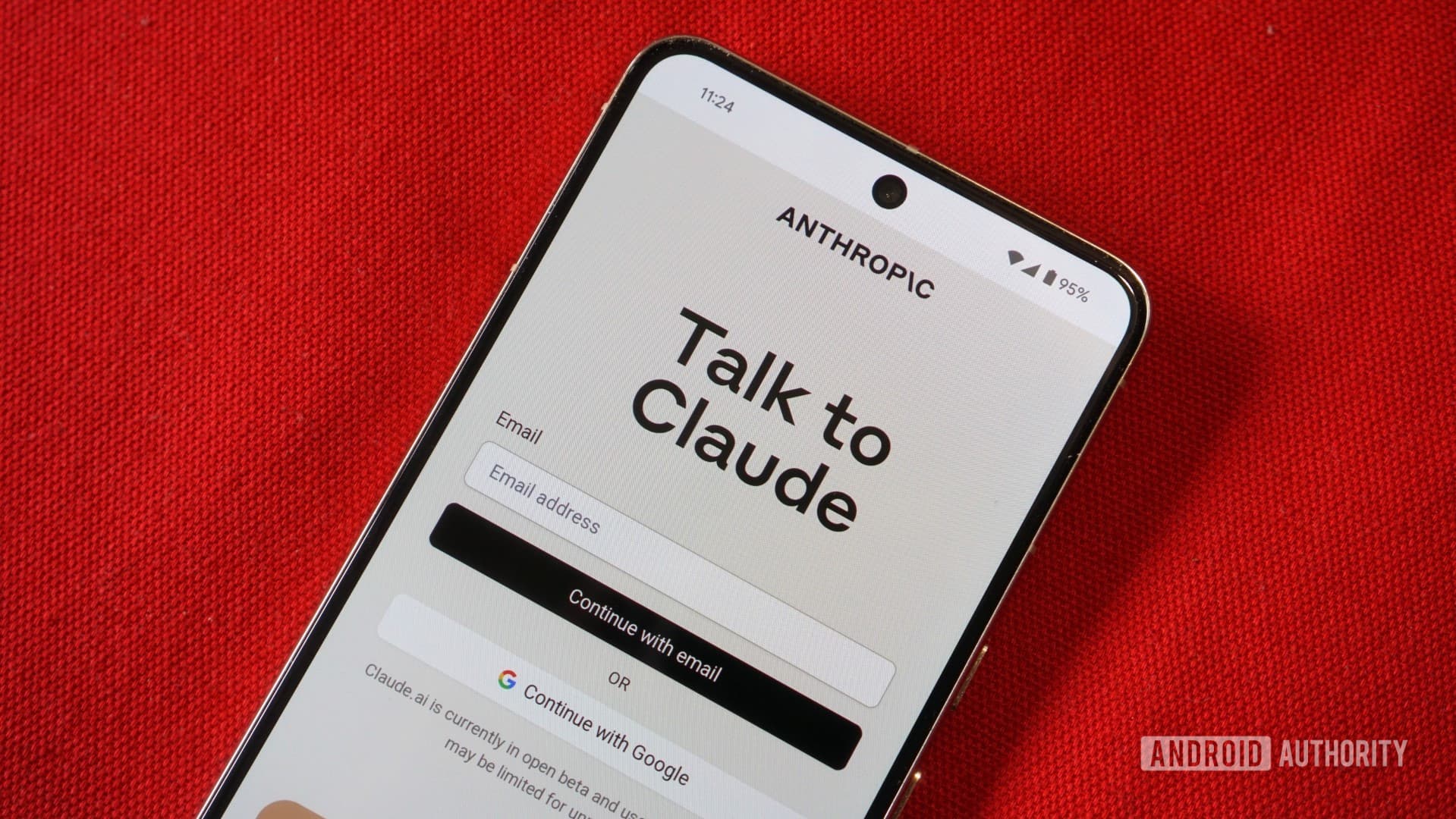
If you’ve ever shared a Claude chat link, there’s a good chance that conversation got indexed and is now searchable on Google — visible to anyone who knows where to look.
This issue came to light over the weekend when Reddit users found that using search operators (special commands that filter results, like “site:claude.ai/share”) in Google led to a long list of shared Claude conversations and Artifacts. Artifacts are the interactive mini-apps, documents, and web pages that Claude can create for users in the chat interface. Both appeared in public search results.
What Actually Happened
When you share a Claude chat, Anthropic generates a unique link, much like how Google Docs works when you click “Share with link.” Most users assume that only those who receive that link can access it. Unfortunately, that assumption turned out to be incorrect.
Anthropic states that shared links only become searchable on Google after a user posts them in a public setting—like a forum, blog, or social media. From there, Google’s web crawlers (automated bots that scan the internet and catalog pages) follow those links and index whatever they find.
Here’s how it works: you share a chat link with a friend by pasting it into a public Reddit comment. Google’s crawler sees that comment, follows the link, and indexes the entire contents of your Claude conversation. After that, anyone searching Google could potentially find it.
The issue is that most users likely didn’t realize that sharing a Claude link anywhere public would expose the entire conversation to search engines. At the time of sharing, there was no clear warning.
Bing Was Also Affected
It wasn’t just Google that took notice. Wired reported that Microsoft’s Bing search engine also indexed shared Claude chats and Artifacts. This means that two of the largest search engines were exposing these conversations, increasing the potential for unwanted visibility.
By The Numbers
| Data Point | Detail |
|---|---|
| Search engines affected | Google and Bing |
| Content exposed | Shared Claude chats and Artifacts |
| Discovery method | Site-specific Google search operators (site:claude.ai/share) |
| Anthropic’s explanation | Links indexed only after being posted publicly by users |
| Alphabet (GOOGL) stock | $326.56 (+2.13%) |
What This Means for You
If you’ve used Claude for anything sensitive — like drafting a legal document, working through a personal issue, brainstorming business strategies, or creating something with Artifacts — and you shared that chat link publicly, Google may have a copy of it indexed right now.
You can check your exposure by searching site:claude.ai/share on Google to see what’s publicly visible. Anthropic hasn’t announced a bulk removal process for affected links, but individual users can likely request deletion through Google’s URL removal tool.
Going forward, treat Claude share links like you would a public URL to a Google Doc. As soon as that link appears on any public page, assume search engines might find it. For anything private, keep the conversation in Claude without sharing, or send it only through direct, private messages.
How This Compares to Other AI Tools
This risk isn’t exclusive to Claude. Any AI chatbot that generates shareable links faces similar exposure if users paste those links publicly. ChatGPT has a comparable sharing feature, and the same crawling issue applies. The difference here lies in the scale of discovery and the fact that Artifacts — which can be fully interactive pages built by Claude — were also indexed, potentially revealing more detailed user work than a simple text conversation.
Community Reaction
“This is a good reminder that ‘shareable link’ does not mean ‘private link.’ If it’s on the internet, it can be found.”
— Reddit user via r/ClaudeAI
“I had no idea my shared Artifacts could show up in Google. I’ve been using those for client work. This is not great.”
— YouTube comment on a video covering the story
Anthropic’s Response
Anthropic has acknowledged the issue and insists that indexing only occurs when users choose to post their links publicly. As of now, the company hasn’t announced any changes to how sharing works or whether it plans to add clearer warnings about search engine indexing when users generate a share link.
Sources: Android Authority, TechCrunch, Wired
What To Watch
- Anthropic’s next move: Keep an eye out for any product updates that add explicit warnings about search engine indexing when users generate a Claude share link. That’s the most straightforward fix here.
- User takedown requests: It’s still unclear if Anthropic will provide a tool to help users identify and remove their indexed conversations at scale. This is a significant gap if the exposure turns out to be widespread.
- Industry-wide scrutiny: Regulators and privacy advocates have been closely monitoring AI companies. This incident could raise questions about whether AI platforms need stronger default protections for shared content, similar to how email is treated differently than a public webpage.
- Other AI platforms: If researchers start running the same site-operator searches against ChatGPT, Gemini, or other tools with sharing features, they might find similar results.

Ava Mitchell
Ava Mitchell is a digital culture journalist at Explosion.com covering social media platforms, streaming services, and the creator economy. With 4 years reporting on TikTok, Instagram, YouTube, and the apps that shape daily life, Ava specializes in explaining platform policy changes and their impact on everyday users. She previously managed social media strategy for a tech startup, giving her firsthand experience with the platforms she now covers.