
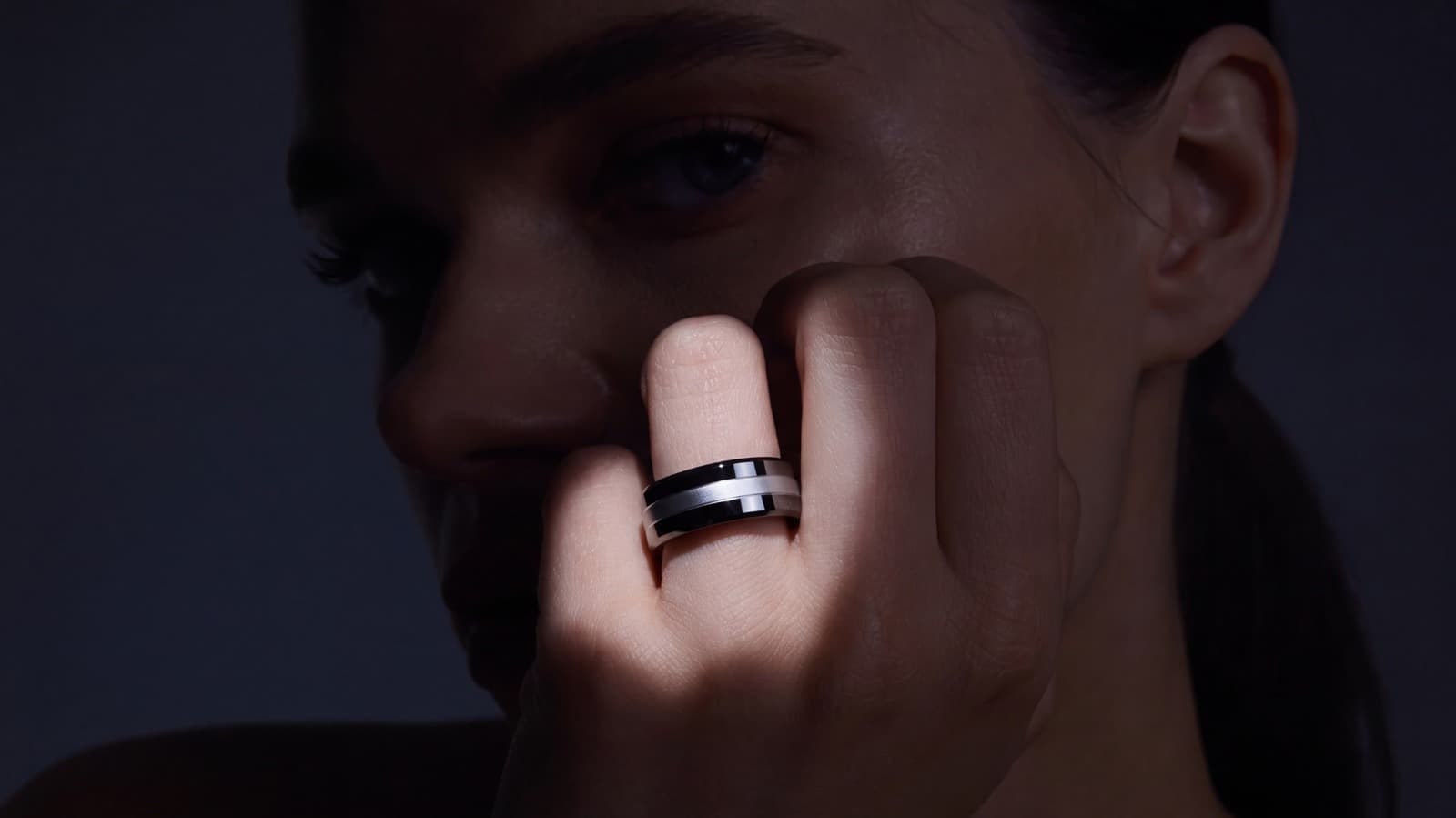
A new wearable called the Signal Ring offers continuous blood pressure readings throughout the day. This goes beyond the Apple Watch, which only provides high or low blood pressure alerts without actual numbers.
The ring comes from a company named Vital Signals, which has developed an algorithmic approach to monitoring blood pressure. While the Apple Watch’s blood pressure feature (introduced in the Series 10) alerts you when something seems off, the Signal Ring continuously provides your systolic and diastolic numbers without needing a traditional arm cuff.
Why This Matters
To put it simply, think of the Apple Watch as a smoke alarm. It alerts you to problems. In contrast, the Signal Ring functions more like a thermometer. It gives you numbers to track over time, share with your doctor, and act on proactively.
Blood pressure consists of two numbers: systolic pressure (the force when your heart beats) and diastolic pressure (the pressure between beats). A normal reading is around 120/80. Traditional blood pressure monitoring uses an inflatable cuff that squeezes your arm. Wrist and ring-based monitors have often struggled to match the accuracy of cuffs, which is why health regulators have been cautious in approving them.
Vital Signals claims its approach utilizes algorithms that analyze sensor data collected from the ring to estimate blood pressure continuously. The company is marketing the device as a tool for those managing hypertension (high blood pressure, affecting about 1 in 3 adults in the US) and other heart conditions.
How It Stacks Up Against Apple Watch
Apple introduced blood pressure monitoring with the Apple Watch Series 10, but it faced criticism for providing trend data instead of actual readings. Apple confirmed that this feature was meant to detect patterns, not replace clinical measurements.
The Signal Ring takes a more straightforward approach by displaying actual numbers that users typically see from a cuff. Whether these numbers are accurate enough to match cuff readings is still an unanswered question. Vital Signals hasn’t published independent clinical trial results yet, and as of now, the device doesn’t seem to have FDA clearance for medical use.
| Apple: By The Numbers | |
|---|---|
| Stock (AAPL) | $333.02 (+3.53%) |
| CEO | Tim Cook |
| Headquarters | Cupertino, CA |
| Founded | 1976 |
| Sector | Big Tech |
The Larger Race for Cuffless Blood Pressure
Vital Signals isn’t the only company tackling this issue. Samsung has been developing cuffless blood pressure monitoring in its Galaxy Watch lineup for years, but it still requires periodic calibration with a traditional cuff. Google has also explored similar technology. Health-focused brands like Withings have invested in this area as well.
The challenge for all these companies is the same: convincing regulators and doctors that their readings can be trusted. Blood pressure fluctuates based on movement, stress, and body position, making continuous ring-based monitoring more technically challenging than it might seem.
For Vital Signals, the aim is to help people who already know they have a heart condition or hypertension. They want more data between doctor visits—not to replace diagnostics, but to aid in daily management.
What This Means for Users
If you’ve been diagnosed with high blood pressure, you’re probably familiar with the routine: check your readings once or twice a day with a home cuff, log those numbers, and take the sheet to your next appointment. This process requires remembering to measure, staying still for a minute, and keeping a log.
A ring that passively tracks blood pressure throughout the day could provide doctors with a richer understanding of how a patient’s pressure changes during exercise, sleep, stress, and meals. That kind of data is clinically useful since single readings at a doctor’s office can be unreliable. This is often due to “white coat hypertension,” where patients’ blood pressure rises because of the stress of being in a medical setting.
But none of this matters if the readings aren’t accurate. Consumers should be careful about treating any cuffless wearable readings as equivalent to clinical measurements until independent validation comes out.
Community Feedback
“I’ve been waiting for this for years. My cardiologist would love to see my BP throughout the day instead of one snapshot every few months. The question is whether these numbers are actually reliable.”
— Reddit user via r/AppleWatch
“Neat concept but I’m skeptical until I see a proper clinical study. Samsung promised this years ago and it still needs cuff calibration. Show me the data.”
— YouTube commenter on 9to5Mac coverage
What To Watch For
- FDA clearance: Vital Signals hasn’t announced FDA clearance for the Signal Ring yet. That approval would indicate that regulators consider the readings medically trustworthy. Look out for any news on regulatory filings.
- Clinical data: Independent peer-reviewed studies comparing Signal Ring readings with cuff measurements will be crucial. Vital Signals hasn’t published these publicly yet.
- Apple’s next move: Apple Watch Series 11 is expected in 2026. It’s unclear whether Apple will shift toward actual blood pressure numbers or stick with alerts only.
- Pricing and availability: There’s no confirmed pricing or release date for the Signal Ring. Vital Signals describes the device as forthcoming but hasn’t set a launch window.

Maya Torres
Maya Torres is the Consumer Tech Editor at Explosion.com with 7 years covering product launches for major technology publications. She has reviewed over 300 devices across smartphones, laptops, wearables, and smart home products. Maya specializes in translating spec sheets into real-world buying advice and attends CES, MWC, and Apple keynotes as press. Her reviews focus on helping readers decide what to buy, not just what specs look good on paper.


