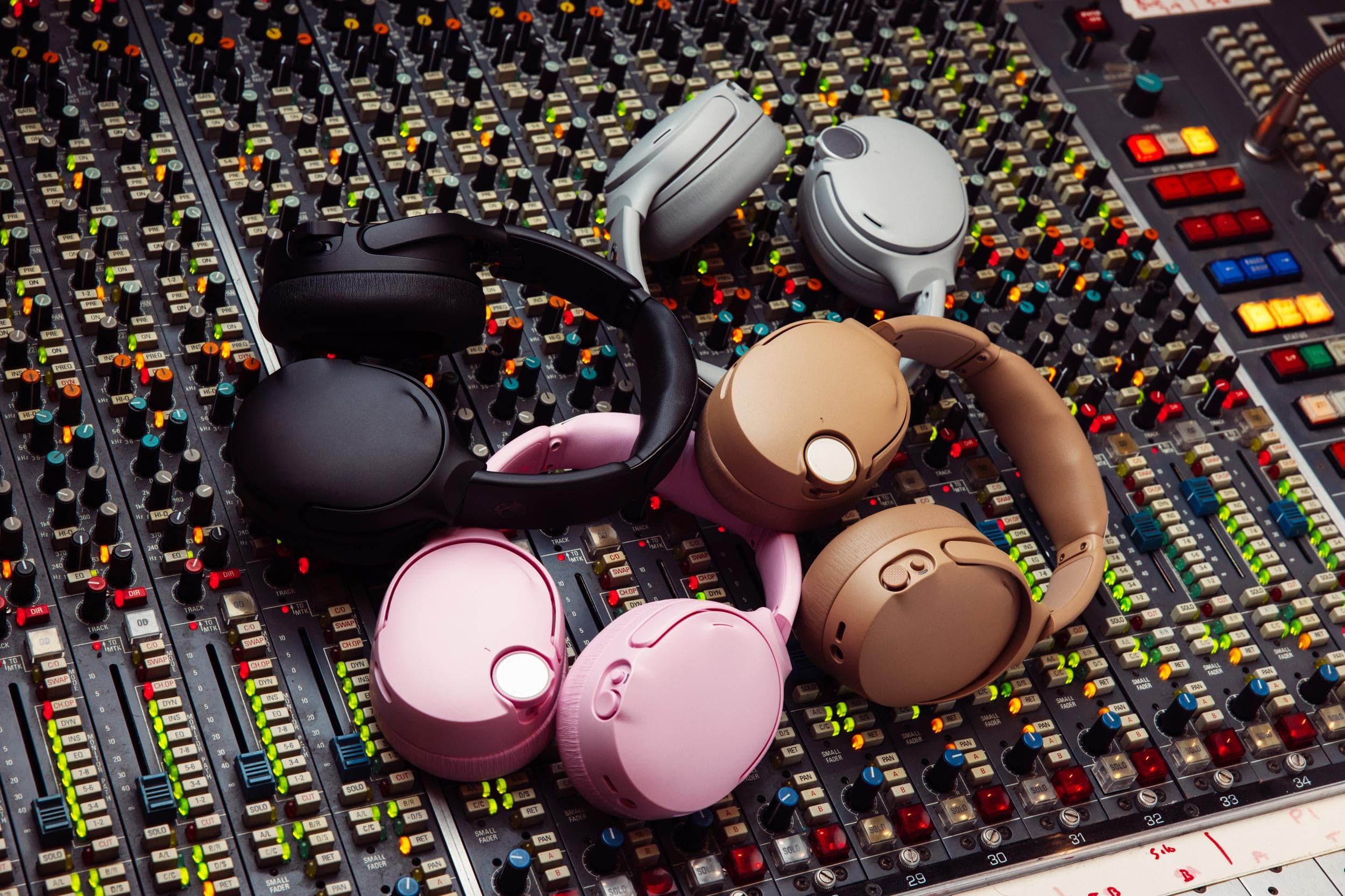
Skullcandy has integrated Bose’s noise-cancellation technology into its flagship Crusher headphones. This hybrid offers the brand’s signature bone-rattling bass alongside one of the audio industry’s most respected quiet-room technologies.
The new Skullcandy Crusher 1080 is the first product to feature Bose’s QuietControl ANC (active noise cancellation). This technology uses microphones to detect and neutralize ambient sound before it reaches your ears. Additionally, the headphones come with Bose’s head-tracking spatial audio, which adjusts the sound field as you move your head, much like Dolby Atmos operates on Apple’s AirPods Pro.
What Sets the Crusher Line Apart
Skullcandy’s Crusher headphones cater specifically to bass enthusiasts. While most headphones use a single driver to handle all frequencies, the Crusher line incorporates a second dedicated driver for low-end frequencies. Imagine a car audio system with separate woofers for bass and tweeters for treble, but designed as over-ear headphones.
The haptic bass feature allows you to physically feel the low-end through vibrations in the earcups. This standout feature has been part of the Crusher line since its inception. The Crusher 1080 retains this feature while adding a level of audio refinement not seen in previous models.
Bose’s Technology in a Skullcandy Product
Bose licensing its audio technology to a competitor is a big deal. Historically, Bose has kept its QuietComfort and QuietControl ANC systems proprietary. This exclusivity was a key reason consumers chose a $350+ Bose product over cheaper options. The presence of this technology in a Skullcandy product suggests Bose might see its intellectual property as a potential revenue stream rather than just a competitive barrier.
This partnership resembles Intel selling chips to a PC maker that also competes with Intel’s own branded products. While Bose continues to sell its own headphones, its core technology now finds a home in another brand.
Head-Tracking Spatial Audio Explained
The head-tracking spatial audio feature uses sensors to determine the direction your head is facing and adjusts the audio mix accordingly. For example, if you turn your head to the left while watching a movie, the sound from the right side of the screen should still feel like it’s coming from the right. Without head-tracking, the entire soundstage shifts with your head, disrupting the illusion of positional audio.
| Spec | Detail |
|---|---|
| ANC Technology | Bose QuietControl |
| Spatial Audio | Bose head-tracking |
| Driver Setup | Full-range + dedicated bass driver (per ear) |
| Bass Feature | Haptic (felt as physical vibration) |
| Product Category | Flagship wireless over-ear |
Implications for Everyday Users
If you’ve considered the Crusher line for its bass experience but hesitated due to weak noise cancellation, the Crusher 1080 addresses that issue directly. Bose’s ANC consistently ranks among the best in the industry, including in products like the QuietComfort Ultra headphones, which retail for $100 to $150 more than most Skullcandy products.
On the other hand, the Crusher 1080 is positioned as a flagship model, and the price will reflect that. If you’re looking for a budget bass headphone, there are other Crusher models available. This version targets those who want maximum bass without compromising on noise isolation.
Engadget’s review described the combination as “haptic bass meets whisper-quiet ANC.” This suggests that the two experiences coexist rather than conflict. That’s not always the case with crossover products, as adding new technology to an existing design can sometimes diminish what made the original appealing.
Community Feedback
“Finally. The Crusher line always had the best bass, but the ANC was embarrassing compared to Sony or Bose. If this actually uses real Bose ANC and not just a license in name only, this is the headphone I’ve been waiting for.”
“Skullcandy with Bose ANC sounds like a fever dream, but I’m here for it. The haptic bass on the old Crushers was genuinely something you had to feel to understand.”
What To Watch For
- Pricing announcement: Skullcandy hasn’t finalized a retail price. Given the costs associated with Bose licensing, expect the Crusher 1080 to be priced higher than previous Crusher models, which usually range from $100 to $200.
- Bose’s licensing strategy: Keep an eye on whether Bose extends similar deals to other audio brands. If the Crusher 1080 performs well, it could validate Bose technology as a licensable product instead of just an exclusive selling point.
- Availability date: No specific ship date has been announced. Reviews from Engadget suggest hands-on access has already occurred, hinting at a retail launch in the coming weeks.
- Competitor response: Sony and Jabra, who also compete in the premium ANC headphone market, will be monitoring whether Bose’s licensing to consumer-friendly brands like Skullcandy diverts buyers from their mid-range offerings.

Daniel Park
Daniel Park covers AI, cloud infrastructure, and enterprise software for Explosion.com. A former software engineer who transitioned to technology journalism 5 years ago, Daniel brings technical depth to his reporting on artificial intelligence, startup funding rounds, and the companies building the future of computing. He breaks down complex AI developments and business strategies into clear, actionable insights for readers who want to understand how technology is reshaping industries.