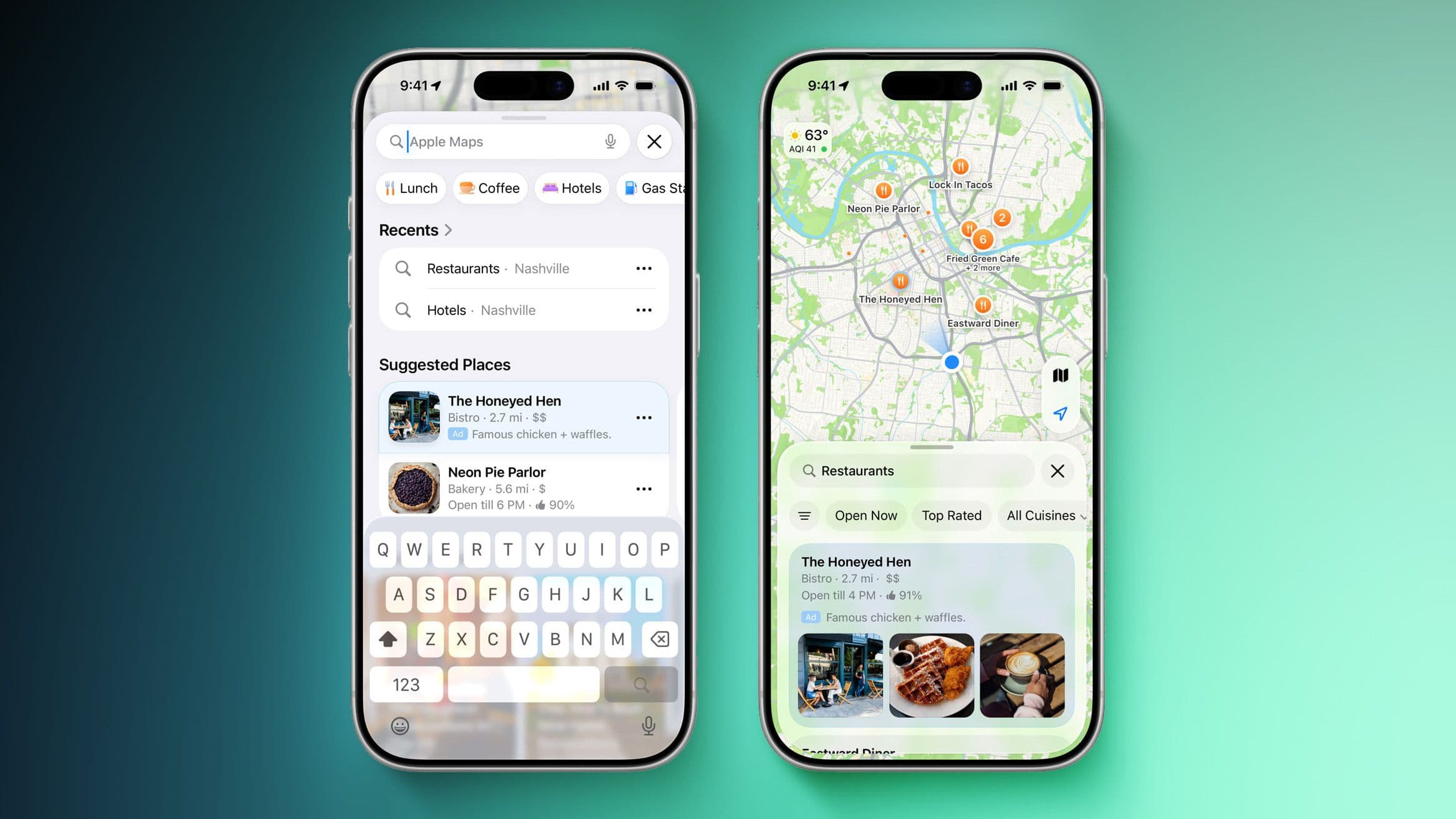
Apple has rolled out a formal advertising policy for Maps, detailing which ad categories will be blocked when paid placements launch in the U.S. and Canada this summer.
What Apple Is Blocking
According to Apple’s newly published Advertising Services policy, several sensitive or high-risk categories won’t be allowed to buy space on Apple Maps at launch. The prohibited list includes:
- Alcohol
- Gambling and sports betting
- Firearms and weapons
- Adult content
- Political advertising
- Tobacco, vaping, and related products
- Pharmaceuticals and healthcare services that require regulatory review
- Financial products like payday loans
These restrictions echo the guardrails Apple already applies to its App Store and Apple News ad platforms. Think of it as the same bouncer at a different club.
Why Apple Is Adding Ads to Maps
Earlier this year, Apple confirmed that ads are coming to Apple Maps in the U.S. and Canada, expanding its advertising business. The format being introduced is called a promoted placement. This means businesses can pay to show up at the top of search results or directly on the map when users search for nearby options—similar to sponsored listings on Google Maps.
For Apple, Maps ads represent a new revenue stream that doesn’t involve selling user data. They’ve made it clear that their ad targeting uses on-device processing. This means your data stays on your phone instead of being sent to a server, unlike the cross-site tracking methods used by Google and Meta.
| CEO | Tim Cook |
|---|---|
| Ticker | AAPL |
| Stock Price | $333.02 (+3.53%) |
| Sector | Big Tech |
| Headquarters | Cupertino, CA |
| Founded | 1976 |
How This Compares to Google Maps
Google Maps has featured ads for years, and its policies are generally similar. They also ban gambling, adult content, and political ads in certain formats. However, Apple’s initial list seems stricter, especially concerning alcohol and some financial products that Google permits with conditions. Apple is starting conservatively, allowing room for adjustments later instead of opening the floodgates and retracting under pressure.
What This Means
For everyday Apple Maps users, this means you’ll start seeing sponsored business listings mixed into your search results. For instance, a coffee shop might pay to appear first when you search “coffee near me.” But at launch, you won’t see ads for local casinos, vape shops, or political campaigns.
Apple’s privacy approach is interesting. Unlike Google’s ad system, which builds a profile based on your online behavior, Apple claims Maps ads will rely on contextual signals—like your current search and approximate location—without creating a long-term behavioral profile. Users and regulators will be watching closely to see if that promise holds true.
Community Reactions
“I don’t love ads in Maps but at least Apple’s privacy stance makes it slightly less gross than Google’s version. Slightly.”
“Blocking political ads is the right call. Imagine getting a campaign ad while trying to find a gas station.”
Sources
- MacRumors: Apple Won’t Allow These Ad Categories in the Maps App
- 9to5Mac: Apple Maps won’t allow ads from these categories at launch
- Apple Advertising Services Policy (official)
What To Watch
- Summer 2026: Apple Maps ads are expected to launch in the U.S. and Canada. Keep an eye out for the exact date and whether the rollout is gradual or immediate.
- Advertiser response: The first major retail and restaurant chains to sign up will reveal how seriously businesses are taking Apple Maps as an ad platform.
- Policy updates: Apple might relax restrictions on categories like alcohol over time, as they’ve done with other ad products. The current policy is labeled as launch guidelines, not permanent rules.
- Regulatory attention: European regulators are closely monitoring Apple’s ad expansion. Any EU rollout could face additional scrutiny under the Digital Markets Act.

Maya Torres
Maya Torres is the Consumer Tech Editor at Explosion.com with 7 years covering product launches for major technology publications. She has reviewed over 300 devices across smartphones, laptops, wearables, and smart home products. Maya specializes in translating spec sheets into real-world buying advice and attends CES, MWC, and Apple keynotes as press. Her reviews focus on helping readers decide what to buy, not just what specs look good on paper.