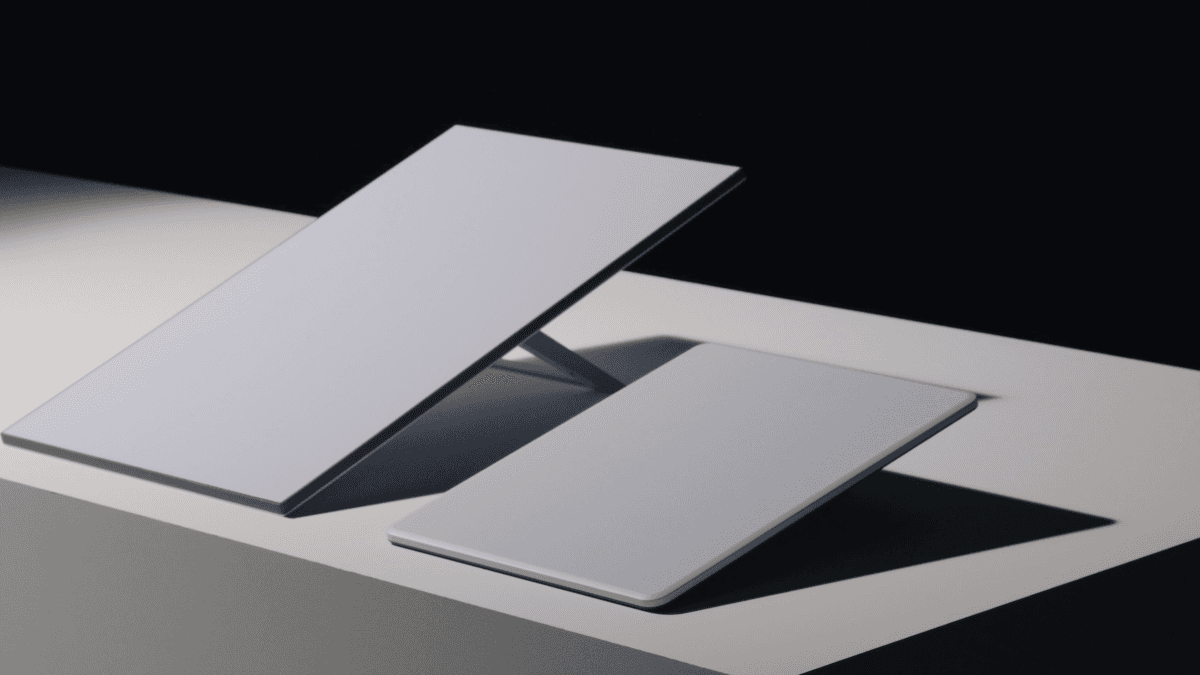
Starlink has quietly introduced its fifth-generation home dish. While it won’t boost your internet speed, it does offer a smaller design and lower power consumption compared to the previous version.
What’s Actually New With the V5 Dish
The V5 represents a hardware upgrade to the satellite dish, which is the antenna unit you mount outside your home to connect with SpaceX’s Starlink satellites in low Earth orbit. Reports from Mashable and Engadget say the new dish is smaller than its predecessor and uses less power from your home’s electrical system.
The key point: download and upload speeds remain unchanged. If you’re looking for a speed boost, the V5 isn’t that upgrade. Think of it more like an engine that’s been fitted into a lighter, more fuel-efficient frame.
Why Smaller and More Efficient Actually Matters
For many, a satellite dish is just a satellite dish. However, size and power consumption matter more than they might seem at first glance.
Easier to Mount and Install
A smaller dish makes it easier to position on a roof, balcony, or pole mount, especially in tight spots. For renters or those in areas with strict HOA (homeowners association) rules about exterior modifications, a less visually prominent dish can mean the difference between getting service approved or not.
Lower Electricity Bills
Starlink dishes operate 24/7. Even small reductions in power usage can add up over months and years. If the V5 uses, say, 20 watts less than the earlier model at idle, that could save you roughly 175 kilowatt-hours a year. This can lead to real savings on your electricity bill, depending on your local rates.
Lower power consumption is also crucial for off-grid users, a significant part of Starlink’s customer base. Campers, RV owners, boaters, and people in remote cabins often rely on solar panels or battery systems to run Starlink. Every watt saved gives them more flexibility for other devices.
| Detail | Info |
|---|---|
| Generation | 5th (V5) |
| Size vs. V4 | Smaller (exact dimensions not yet disclosed) |
| Power consumption | Lower than the previous model (specific wattage not yet published) |
| Speed change | None — same speeds as V4 |
| Target users | Residential Starlink subscribers |
| Starlink active subscribers | Over 4.6 million globally (as of early 2025) |
What This Means
If you’re already a Starlink customer and your current dish is working fine, there’s no rush to upgrade. The V5 doesn’t offer faster speeds, so your everyday experience with streaming, video calls, or gaming stays the same.
However, if you’re a new customer, you’ll likely get the V5 as your standard hardware. That’s a win. A smaller, more efficient dish with no performance trade-offs is simply a better product from the start.
For off-grid users or those keeping a close eye on power consumption, the efficiency gains might justify an upgrade when the time comes. Plus, those struggling to find a discreet mounting spot will find a more compact dish opens up new options.
It’s also a good sign that SpaceX is rolling out more efficient hardware at the same price and performance level. Satellite internet, which once needed dishes as large as small TVs, is moving towards the kind of low-profile equipment you’d expect from a mainstream consumer product.
Community Reactions
“The power draw reduction is huge for anyone running off solar. My current dish is one of the biggest loads in my whole setup.”
“No speed improvement is a little disappointing, but honestly a smaller dish that uses less power is exactly what most people actually need day to day.”
What To Watch
- Exact specs: Starlink hasn’t published precise dimensions or wattage numbers for the V5 yet. Those details will clarify how significant the efficiency gains are.
- Pricing and availability: It’s unclear whether the V5 will cost the same as the previous model or if existing customers will get an upgrade option.
- Speed upgrades: SpaceX keeps launching more Starlink satellites. Future software or network updates might eventually increase speeds, though that’s separate from this hardware release.
- Competitor moves: Amazon’s Project Kuiper, a competing satellite internet service, is ramping up its hardware rollout, which could push Starlink to accelerate future improvements.

Daniel Park
Daniel Park covers AI, cloud infrastructure, and enterprise software for Explosion.com. A former software engineer who transitioned to technology journalism 5 years ago, Daniel brings technical depth to his reporting on artificial intelligence, startup funding rounds, and the companies building the future of computing. He breaks down complex AI developments and business strategies into clear, actionable insights for readers who want to understand how technology is reshaping industries.