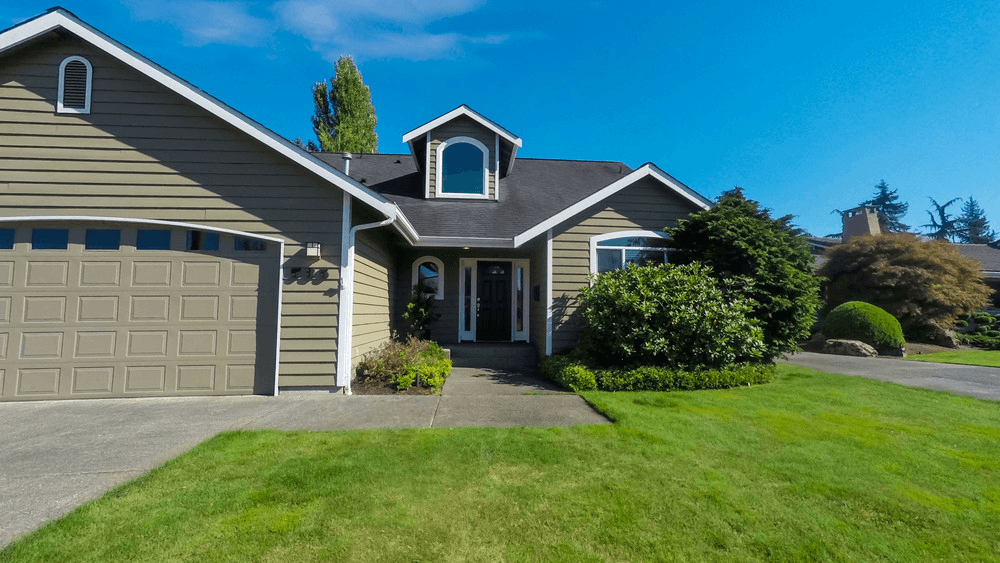
As a homeowner, protecting your property is a top priority, and few structural elements play a more critical role than your roof. It is remarkably easy to overlook this protective shield when everything seems to be functioning normally. However, staying proactive with proper roof maintenance can save you from a massive headache and severe financial strain down the road. Whether you have noticed missing shingles after a recent storm or are simply wondering how much longer your current setup will hold up, having questions is completely normal.
Recognizing the Early Warning Signs of Damage
When you are attempting to determine if your roofing system is nearing the end of its life, the most practical place to start is with a visual assessment. You do not necessarily need to climb a ladder; walking around your property to check for visible damage from the ground is a highly effective first step. Keep an eye out for shingles that appear curled, cracked, or are missing entirely. If you discover sandy granules washing out of your gutters after a heavy rain, that is a red flag indicating your shingles are actively deteriorating. Realizing it is time for an upgrade is a common milestone for property owners everywhere. Interestingly, according to RubyHome, about 5 million roofs are installed each year in the United States. If you are observing a visibly sagging roofline or spotting unexpected water stains on your ceiling, you are certainly not alone in tackling this essential project. Addressing these issues early prevents minor leaks from escalating into severe structural damage.
Understanding the Expected Lifespan of Your Materials
You might naturally wonder how long you can reasonably expect your home's overhead protection to endure before a replacement becomes necessary. The reality is that this timeline heavily depends on the specific quality and type of materials utilized when your residence was originally built or last renovated. Traditional asphalt shingles are by far the most widely adopted and cost-effective choice, generally providing a solid couple of decades of reliable shelter. Alternatively, if you invest in premium materials like metal, clay tile, or slate, you are looking at a significantly extended period of performance. It is fascinating to observe how durability fluctuates across different products, and according to This Old House, an average roof lasts 25-50 years depending on material type. Knowing precisely where your current home falls within that timeframe allows you to strategically plan your future finances without facing sudden emergencies. If you purchased an older property and have no record of the previous installation date, checking municipal building permits can provide a useful timeline.
Establishing a Comprehensive Inspection Routine
Even if everything appears flawless from the vantage point of your driveway, securing a closer, professional perspective is always the most prudent course of action. Severe weather events involving heavy snow accumulations, hail, and high-velocity winds can cause subtle, hidden damage that an untrained eye will overlook until a catastrophic leak develops. Engaging a qualified expert allows them to thoroughly evaluate the flashing around your chimney, examine the critical ventilation in your attic, and ensure there is no trapped moisture compromising the underlying wood decking. To maintain optimal condition, according to This Old House, you should have your roof professionally inspected at least once every 12 months. Treating this annual evaluation just like a routine health checkup for your property is the best strategy for maximizing its overall longevity.
Ultimately, managing your roof does not have to be an intimidating chore that causes unnecessary stress or keeps you awake at night. By maintaining a watchful eye for obvious physical damage, thoroughly understanding the natural aging timeline of your specific materials, and partnering with a trusted professional for annual evaluations, you are setting yourself up for long-term success. Your residence is likely your most valuable financial asset, and keeping its exterior secure guarantees that everything inside remains perfectly safe. Take a brief walk around your property this weekend to give your roof a quick evaluation; being proactive always pays off.

Nick Guli
Nick Guli is the founder and editor-in-chief of Explosion.com, which he launched in February 2012. With over a decade of experience in digital publishing, Nick oversees editorial direction across entertainment, gaming, technology, and lifestyle content. He is an avid gamer and movie enthusiast who brings a critical eye to coverage of industry trends, game reviews, and entertainment news.