Apple’s self-driving car program, which never hit the roads, might have led to something even more impressive: the AI chip architecture now driving the company’s latest Macs and iPhones.
A report from The Verge reveals that engineers on Apple’s secretive car project, known as Project Titan, recognized early on that a self-driving car would have to process massive amounts of sensor data in real time, without relying on a remote server. This realization pushed Apple to develop on-device AI processing much sooner than many competitors. This means running AI calculations directly on the chip instead of sending data to the cloud.
From the Driver’s Seat to Your Desk
Imagine building a powerful race car engine only to find out it works perfectly as a power plant for a speedboat. Apple aimed to tackle one of the toughest computing challenges: making a car think independently in real time. The chip architecture they created during this journey turned out to be an ideal fit for the AI boom that followed shortly after.
The car program officially ended in early 2024 after over a decade of development and billions spent. However, the chip advancements weren’t wasted. The neural engine, designed specifically for AI tasks, along with the related architecture, became the foundation for Apple’s M-series chips found in today’s MacBooks, Mac Studios, and Mac Pros.
Why Apple Is Skipping the M6 Pro and M6 Max
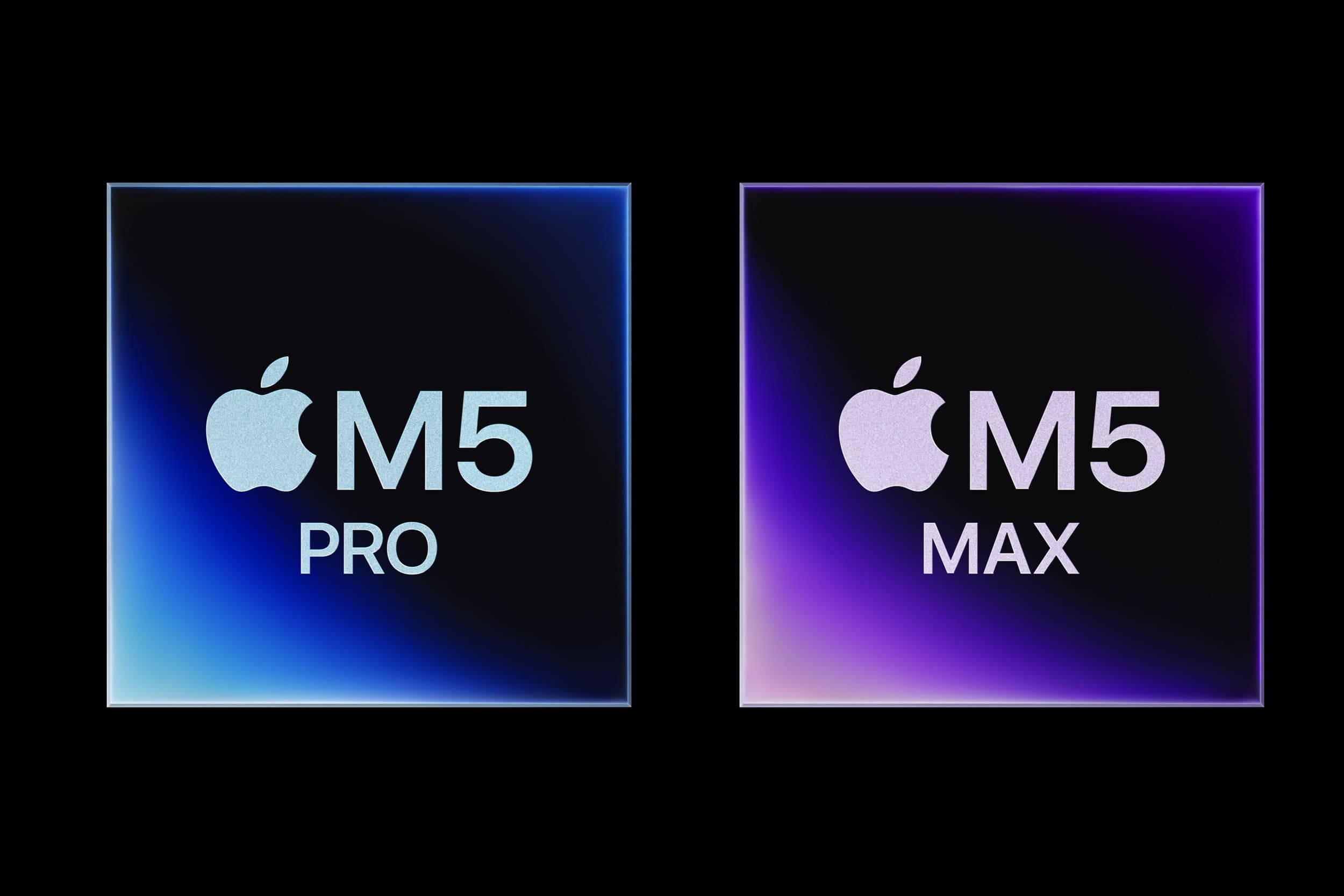
The impact of the car program is now showing up in Apple’s chip plans. MacRumors reports, with insights from Bloomberg’s Mark Gurman, that Apple intends to launch a standard M6 chip but will entirely skip the M6 Pro and M6 Max variants. This marks a notable departure from the pattern established since the original M1 in 2020.
Gurman explains that Apple is focusing its engineering efforts on the M7 Ultra — a chip expected to greatly enhance AI performance. The Ultra designation indicates Apple’s strategy of linking two chips together using a high-speed interconnect, effectively creating one larger, more powerful unit. The M7 Ultra is where the real benefits of the car program’s chip research will finally materialize.
By skipping the Pro and Max tiers, some Mac users may have to wait longer than usual for a significant upgrade. Still, Apple seems confident that one major leap with the M7 Ultra is worth this delay.
| CEO | Tim Cook |
|---|---|
| Ticker | AAPL |
| Stock Price | $333.74 (+0.14%) |
| Headquarters | Cupertino, CA |
| Founded | 1976 |
| Sector | Big Tech |
| Car Program Status | Cancelled (2024) |
| Current Top Chip | M4 Ultra |
| Next Major Chip | M7 Ultra (expected) |
What This Means for Everyday Users
If you use a Mac for video editing, photo work, music production, or anything involving AI-assisted features — like removing image backgrounds or running local AI models — this backstory is relevant to you.
Apple’s early push for on-device AI, driven by its car ambitions, is a key reason why tasks that once required sending data to a remote server can now be done entirely on your Mac or iPhone. This shift means faster results and, importantly, enhanced privacy since your data stays on your device.
For those looking to buy a high-end Mac, the advice is clear: if you need a Pro or Max chip machine now, the current M4 generation is still a solid choice. But if you can wait, the M7 Ultra could provide a significant upgrade, especially for AI-heavy tasks.
Community Reactions
“Honestly, it’s kind of poetic. Apple spent a decade and billions on a car that nobody drove, and the best outcome is the chip in my laptop. Wild.”
— u/thermal_throttle, r/apple
“Skipping M6 Pro and Max feels like a gut punch if you were waiting to upgrade your Mac Studio. Guess I’ll be waiting another year.”
— commenter on MacRumors YouTube channel
What To Watch
- M6 chip release: Apple is expected to launch the standard M6 in new MacBook models later in 2026, with no Pro or Max variants planned.
- M7 Ultra reveal: The M7 Ultra, which directly inherits from the car program’s chip research, is likely to be featured in updates for high-end Mac Pro and Mac Studio — probably in 2027 based on Apple’s usual refresh cycle.
- Apple Intelligence expansion: As Apple rolls out new AI features under the Apple Intelligence brand, the chip architecture from Project Titan will play a crucial role. Keep an eye out for new AI feature announcements tied to the M6 launch.
- Competitor response: Both Qualcomm and Intel are making strides in AI chip performance for Windows PCs. Apple’s current lead in this area, partly thanks to the car program, is significant but not guaranteed to last.

Ava Mitchell
Ava Mitchell is a digital culture journalist at Explosion.com covering social media platforms, streaming services, and the creator economy. With 4 years reporting on TikTok, Instagram, YouTube, and the apps that shape daily life, Ava specializes in explaining platform policy changes and their impact on everyday users. She previously managed social media strategy for a tech startup, giving her firsthand experience with the platforms she now covers.