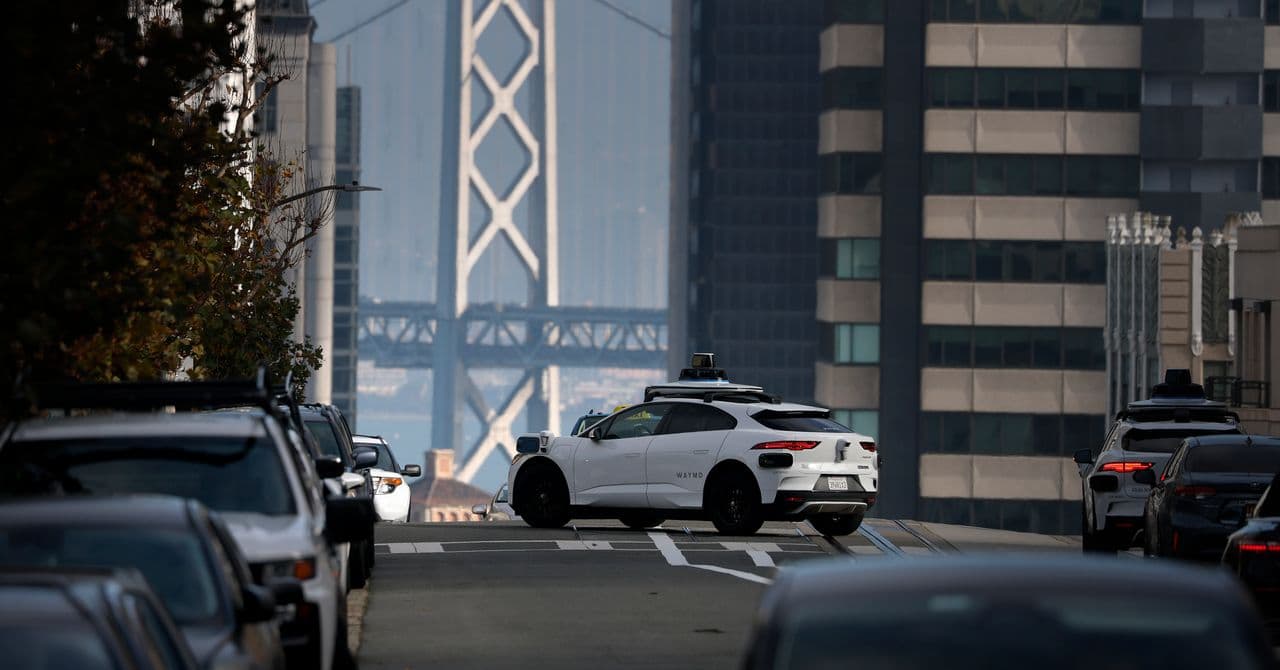
Federal safety regulators have finally reached their limit with autonomous vehicles (self-driving cars that operate without a human driver) blocking ambulances, fire trucks, and other emergency responders at active incident scenes. The National Highway Traffic Safety Administration (NHTSA) has identified a clear “pattern” of these incidents and is now insisting that AV companies address the issue.
What’s Really Happening on the Streets
Imagine a fire truck parked at an emergency scene, blocking a lane while firefighters work. A self-driving car approaches but can’t navigate around the unusual obstacle. It stops — right in the middle of the road. Now we have two problems instead of one.
This is the main issue regulators are highlighting. Autonomous vehicles from various companies have reportedly driven straight into active emergency scenes and then either frozen or made erratic decisions, obstructing those trying to respond to a crisis. NHTSA administrator Jonathan Morrison called the reports “unacceptable,” signaling the agency’s shift from observation to action.
According to Wired, Morrison emphasized that these incidents aren’t just isolated glitches — they point to a systemic failure in how current AV systems deal with the unpredictable and high-stakes environment of an emergency scene.
Why AVs Struggle With Emergency Scenes
Self-driving cars depend heavily on pattern recognition. They’ve been trained on millions of miles of standard driving situations. Emergency scenes are anything but standard. Flashing lights, vehicles in unusual positions, workers in the road, and detours that don’t match any map data can all cause an AV’s decision-making software to stall.
Think of it like autocomplete on your phone. It works well for common phrases but suggests odd things for unusual inputs. An AV facing a three-alarm fire scene with police tape and fire hoses is like trying to autocomplete a sentence it’s never encountered.
Most AV companies implement a “minimal risk condition” protocol, which instructs the car to pull over and stop safely when it’s confused. The catch? Stopping in the middle of an active emergency scene isn’t safe for anyone.
NHTSA Is Demanding Action, Not Apologies
According to Engadget, NHTSA isn’t just sending out a warning — the agency is demanding real solutions from AV manufacturers. They’ve identified the interference pattern across multiple companies and are urging the industry to create systems that can accurately detect and respond to emergency scenes.
This puts AV makers in a difficult position. Teaching a car to recognize every possible configuration of an emergency scene and respond correctly is one of the toughest challenges in autonomous driving. It requires not just better sensors but also improved real-time communication between vehicles and emergency services.
The Bigger Regulatory Picture
This isn’t NHTSA’s first encounter with autonomous vehicle safety. The agency has collected data on AV incidents for years through its Standing General Order, which mandates companies report crashes involving autonomous systems. The issue with emergency responders appears to have reached a tipping point where the volume and severity of reports called for a public response.
The timing is crucial. Several AV companies are actively expanding their commercial robotaxi services into new cities. If regulators push back now, it could impact how quickly those expansions happen.
| Metric | Detail |
|---|---|
| Regulatory body | NHTSA (National Highway Traffic Safety Administration) |
| Finding | “Pattern” of AV interference with first responders across multiple companies |
| NHTSA designation | Incidents described as “unacceptable” by administrator Jonathan Morrison |
| AV incident reporting | Governed by NHTSA’s Standing General Order, requiring mandatory crash reporting |
| Industry status | Multiple companies in active commercial robotaxi expansion |
What This Means for Everyday People
If you live in a city with robotaxis — like San Francisco, Phoenix, or Austin — this issue directly impacts your safety. A blocked ambulance doesn’t just slow down traffic. In cardiac arrest situations, every minute without help decreases survival chances by about 10%. A self-driving car stopping at an emergency scene is a serious life-safety concern, not just a traffic issue.
Even if you’re not in a robotaxi city yet, this regulatory pressure will influence how fast AV services grow. Companies that can’t show reliable behavior in emergency situations will face tougher questions from local governments before getting permits to operate.
For everyday drivers, the larger takeaway is that autonomous vehicles are still being fine-tuned to handle the complexities of real-world driving. Emergency scenes are edge cases — situations that systems haven’t fully trained for — and edge cases are where safety failures often occur.
What People Are Saying
“The ‘minimal risk condition’ of stopping in place makes sense on a highway breakdown but is genuinely dangerous at an active fire scene. This is a known limitation, and it’s wild it’s taken this long for regulators to formally call it out.”
“Firefighter here. We’ve had to physically move one of these things during a structure fire. The car just sat there. There needs to be a direct communication channel between dispatch and these vehicles, full stop.”
What To Watch
- Company responses: Major AV operators, including Waymo and others, will likely need to submit formal responses to NHTSA outlining how they plan to improve emergency-scene behavior. Keep an eye out for those filings in the coming weeks.
- Permit decisions: Cities considering new robotaxi permits may leverage this regulatory pressure to add emergency-response requirements to operating agreements.
- Vehicle-to-infrastructure communication: A long-term solution likely involves AVs getting real-time data from emergency dispatch systems. Progress on that integration is worth monitoring.
- Congressional attention: With NHTSA publicly highlighting the issue, expect it to come up in any upcoming Senate or House hearings on AV regulation.

Maya Torres
Maya Torres is the Consumer Tech Editor at Explosion.com with 7 years covering product launches for major technology publications. She has reviewed over 300 devices across smartphones, laptops, wearables, and smart home products. Maya specializes in translating spec sheets into real-world buying advice and attends CES, MWC, and Apple keynotes as press. Her reviews focus on helping readers decide what to buy, not just what specs look good on paper.