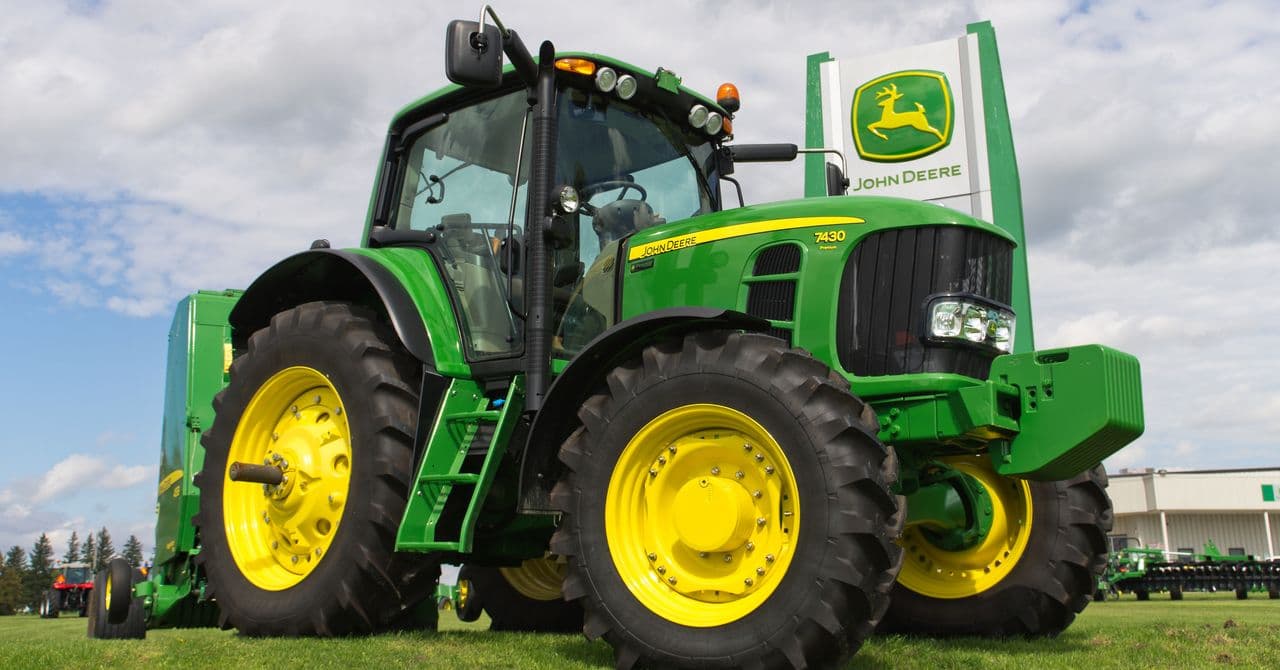
The Federal Trade Commission has struck a significant settlement with John Deere, granting farmers and independent repair shops access to the tools, software, and documentation needed to fix their own equipment. This ends over a decade of legal battles over who can repair a tractor.
Last year, the FTC sued John Deere, accusing the company of preventing farmers from accessing their own machines by limiting access to proprietary software and repair materials. With this settlement, John Deere must now open up these resources, which right-to-repair advocates are hailing as a major win for the movement.
Why Farmers Couldn’t Fix Their Own Tractors
Modern John Deere tractors are more than just machines; they’re essentially mobile computers. Sensors, software, and digital control systems manage everything from engine performance to planting accuracy. When something goes wrong, farmers have had to rely on authorized John Deere dealers to use proprietary diagnostic software to identify and fix the issue.
Imagine owning a car where only one specific mechanic in town has the code reader that works with it. For farmers in rural areas, this means long waits for repairs while crops sit in the field. During planting or harvest season, every hour of downtime costs money.
John Deere claimed this setup protected the integrity of their complex machines and ensured repairs were done right. Critics, however, saw it as a way to protect profits, forcing farmers into costly dealer service contracts and excluding independent repair shops that might offer lower prices.
What the Settlement Actually Requires
The FTC’s agreement mandates that John Deere provide farmers and independent repair technicians access to the same diagnostic tools, repair manuals, and software that authorized dealers use. This includes the ability to reset certain software locks that previously required a dealer’s assistance to clear.
The FTC bases its authority on Section 5 of the FTC Act, which prohibits unfair or deceptive business practices. Recently, the agency has aggressively applied this authority to tackle repair restrictions across various industries, from electronics to medical devices.
The settlement also places John Deere under a consent order, allowing the FTC to take quicker legal action if the company doesn’t comply with its commitments. This adds enforcement power that previous voluntary agreements with Deere lacked.
A Decade of Broken Promises
This isn’t the first time John Deere has promised farmers better access to repairs. In 2022, the company signed a memorandum of understanding with the American Farm Bureau Federation, vowing to improve repair access by 2023. Repair advocates criticized that agreement as ineffective because the company didn’t follow through.
The FTC lawsuit, filed in 2025, showed that the federal government had grown impatient with voluntary promises. This settlement carries legal weight that earlier agreements didn’t.
| Metric | Detail |
|---|---|
| Years of right-to-repair battles | 10+ |
| Year FTC filed suit against Deere | 2025 |
| Year Deere signed Farm Bureau pledge | 2022 |
| John Deere’s U.S. market share (large ag equipment) | ~50% |
| FTC enforcement mechanism | Consent order (legally binding) |
What This Means
For farmers, the most immediate benefit is time and money saved. Having the ability to diagnose and fix equipment in the field — or at a local independent mechanic — means they won’t wait days for an authorized dealer. This could save thousands of dollars in downtime costs each season. Farmers in remote areas, who often wait the longest for dealer service, will benefit the most.
For the right-to-repair movement as a whole, this settlement shows that the FTC is ready to use its enforcement powers against repair restrictions. This isn’t just for consumer electronics, where debates have mostly occurred, but also in heavy industrial equipment. This precedent could pressure other manufacturers in agriculture, construction, and more to open up their repair processes before regulators step in.
Independent repair shops now have a chance to thrive. Dealers have long had a near-monopoly on complex Deere repairs. If independent technicians gain access to the same diagnostic software and documentation, competition for repair work should increase, likely driving prices down for customers.
Community Reaction
“This is massive. I’ve been waiting 12 years for something like this. Deere’s had farmers by the throat, and everyone knew it, but nothing ever stuck.”
“The 2022 memorandum was a joke, and we all knew it. An actual consent order with FTC oversight is a completely different animal. Deere can’t just quietly ignore this one.”
What To Watch
- Implementation timeline: The settlement will outline deadlines for John Deere to make repair resources available. Keep an eye out for whether access happens immediately or in phases — and if farmers report real-world improvements in the next planting season.
- Other manufacturers: John Deere isn’t the only agricultural equipment company that restricts repair access. CNH Industrial (Case IH, New Holland) and AGCO face similar scrutiny. It’ll be interesting to see if the FTC targets them next.
- State-level laws: Several states are passing or considering right-to-repair laws. This federal settlement could either speed up those efforts or lessen the urgency for states to act independently, depending on how well Deere complies.
- FTC enforcement: If John Deere delays in making tools accessible, the consent order gives the FTC a quicker route to penalties than starting a new lawsuit.

Daniel Park
Daniel Park covers AI, cloud infrastructure, and enterprise software for Explosion.com. A former software engineer who transitioned to technology journalism 5 years ago, Daniel brings technical depth to his reporting on artificial intelligence, startup funding rounds, and the companies building the future of computing. He breaks down complex AI developments and business strategies into clear, actionable insights for readers who want to understand how technology is reshaping industries.