
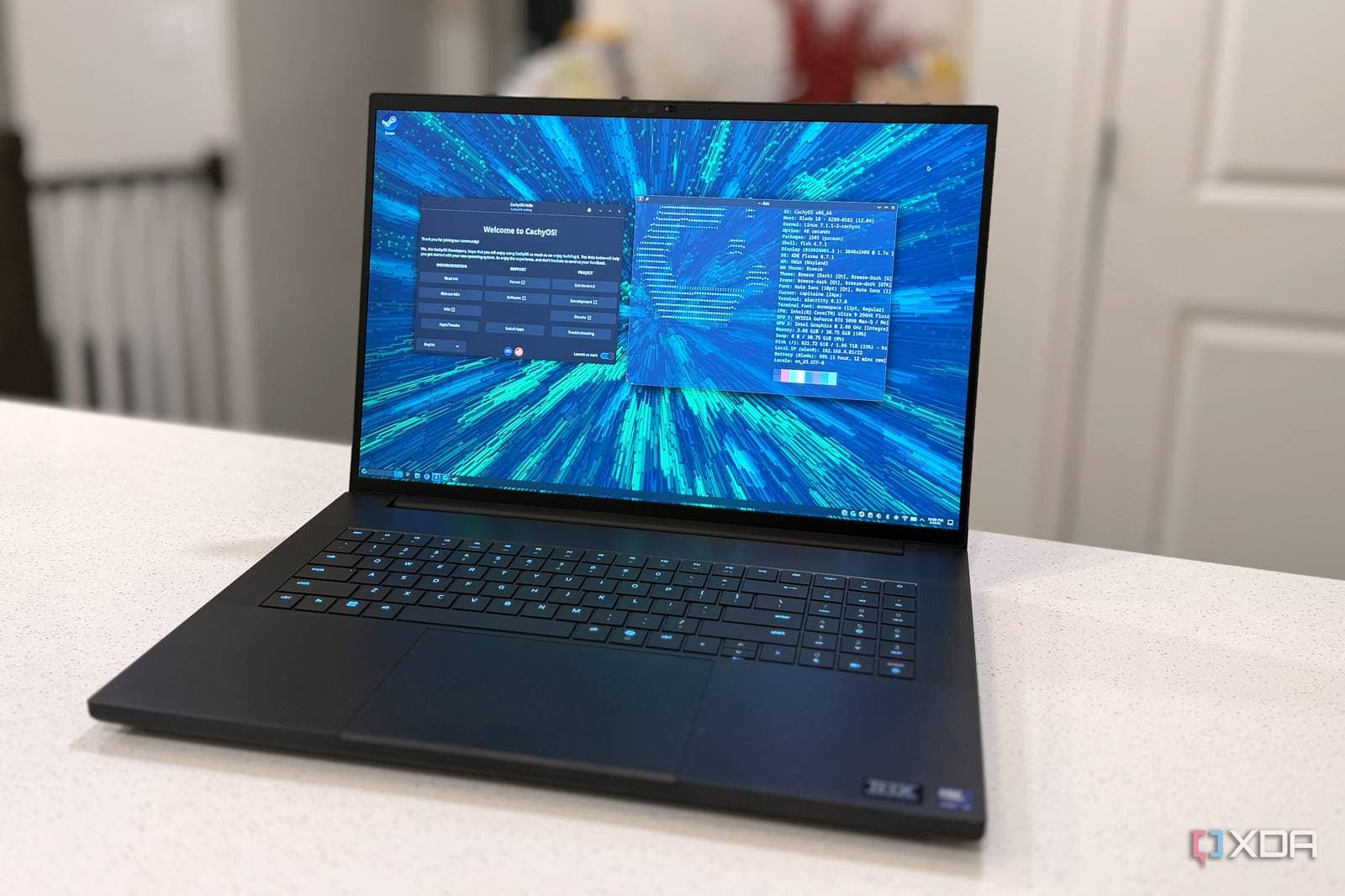
CachyOS, a Linux distribution, shows that the main factor holding SteamOS back as a desktop operating system isn’t the Steam Deck hardware. Instead, it’s the specific design choices Valve made to maintain that hardware’s stability and simplicity.
What Is SteamOS, and Why Does It Matter?
SteamOS is the Linux-based operating system that powers Valve’s Steam Deck handheld gaming PC. This OS manages the computer’s hardware and runs applications, designed to be reliable for gaming on the go. It focuses on stability over flexibility, which works well for a handheld device but poses challenges for a desktop PC.
CachyOS is an independent Linux distribution. Think of it as a variation of the same core system. It takes the gaming-focused features of SteamOS and removes the restrictions. Analysis from XDA Developers points out that the limitations users face on SteamOS stem from policy decisions, not technical limitations.
The Guardrails That Help the Deck Hurt the Desktop
Valve built SteamOS around an immutable file system. This means the core operating system files are locked and can’t be easily changed. It’s similar to how you can’t modify the software in a smart TV. This design prevents users from accidentally damaging their Steam Deck, which is smart for a consumer device meant to be hassle-free.
However, on a desktop, this lockdown prevents easy installation of software outside Valve’s approved channels. You can’t tweak system files or customize your experience as traditional PC users expect. It’s like buying a powerful laptop only to find out you can only install apps from one specific store.
CachyOS retains the performance optimizations Valve included in SteamOS, featuring a custom Linux kernel specifically tuned for gaming. It pairs these optimizations with a fully open, customizable system. Users enjoy gaming performance without the restrictions imposed by SteamOS.
Why Valve Made These Choices
Valve’s reasoning is clear. The Steam Deck competes with the Nintendo Switch, a consumer product that needs to be reliable and user-friendly. An immutable system that updates smoothly helps make customer support easier. It also keeps the device functioning well for users who aren’t interested in tinkering.
This approach prioritizes the average user over the power user. While that’s a sensible move for a retail handheld, it means SteamOS wasn’t really designed to be a full desktop OS replacement, even though the underlying technology could support one.
What CachyOS Actually Proves
By removing those restrictions while keeping the performance-oriented kernel and gaming optimizations, CachyOS operates as a more capable version of what SteamOS might be if Valve had taken a different approach. Games perform well, the Steam interface is functional, and users have complete control over their system.
This has implications beyond just the Linux enthusiast community. It indicates that a competitive, gaming-focused Linux desktop OS is technically possible. The gap between Windows and Linux for gaming has shrunk significantly in recent years, largely thanks to Valve’s Proton compatibility layer, which allows Windows games to run on Linux. CachyOS shows that the remaining gap is more about software philosophy than raw capability.
| Data Point | Detail |
|---|---|
| SteamOS Base | Arch Linux with immutable file system |
| CachyOS Base | Arch Linux, fully mutable and customizable |
| Steam Deck Units Sold | Over 3 million (estimated as of 2024) |
| Linux Gaming Market Share | Approximately 2.5% of Steam users (Steam Hardware Survey) |
| Proton Compatibility | Over 80% of top Windows Steam games playable on Linux |
What This Means
For everyday users, this probably won’t lead to immediate changes. Windows still dominates PC gaming and desktop computing. But if you’ve considered switching to Linux but hesitated due to compatibility worries, the CachyOS story sends a positive signal: the technology is there. What’s lacking is a product tailored for desktop users rather than handheld gamers.
For Steam Deck owners, this doesn’t change anything about your device. SteamOS will continue to function as it does. However, it raises an interesting question about whether Valve might eventually release a more open desktop-oriented version of SteamOS, especially as their hardware ambitions seem to expand beyond the Deck.
Community Reactions
“CachyOS basically answered the question nobody at Valve wanted to ask out loud. SteamOS is great at what it does, but what it does is pretty narrow on purpose.”
“I switched to CachyOS six months ago and I genuinely don’t miss Windows. The fact that it’s basically optimized SteamOS without the handcuffs is exactly the pitch I needed.”
What To Watch
- Valve’s next hardware move: Valve has hinted at expanding the Steam Machine concept beyond the Deck. If a living room or desktop product appears, the OS philosophy question becomes urgent.
- SteamOS public release: Valve has stated that a version of SteamOS compatible with other hardware is in the works. Whether it maintains the immutable restrictions or loosens them will determine its usefulness for desktop users.
- CachyOS adoption: Keep an eye out for CachyOS in mainstream gaming PC discussions. Increased user numbers would signal a real market for a gaming-first Linux desktop.
Sources: XDA Developers

Maya Torres
Maya Torres is the Consumer Tech Editor at Explosion.com with 7 years covering product launches for major technology publications. She has reviewed over 300 devices across smartphones, laptops, wearables, and smart home products. Maya specializes in translating spec sheets into real-world buying advice and attends CES, MWC, and Apple keynotes as press. Her reviews focus on helping readers decide what to buy, not just what specs look good on paper.


