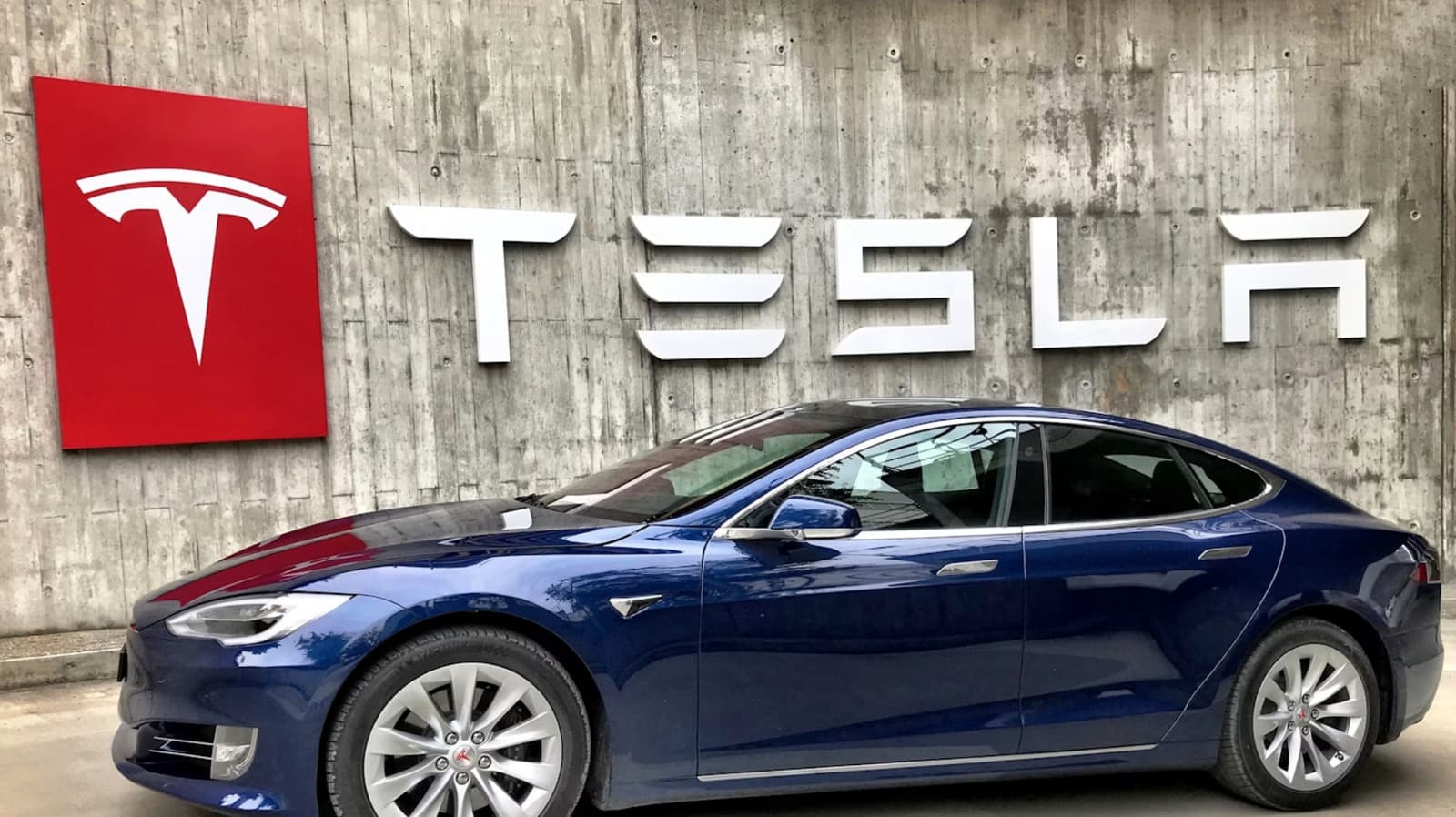
Tesla delivered 25 percent more vehicles in the second quarter of 2026 compared to last year, marking a rebound after a challenging 2025.
This week, the automaker shared its Q2 production and delivery report, revealing it produced 451,758 vehicles from April to June. Out of those, 442,936 were the Model 3 and Model Y, Tesla’s top-selling models. These figures indicate Tesla is regaining momentum after what it called a tough sales year.
| Metric | Figure |
|---|---|
| Total vehicles produced (Q2 2026) | 451,758 |
| Model 3 & Model Y produced | 442,936 |
| Year-over-year delivery growth | +25% |
| Key growth market | Europe |
What Changed Since 2025?
Tesla faced a tough year in 2025. Sales fell across major markets due to increased competition from Chinese automakers like BYD, public backlash over Elon Musk’s political actions, and older vehicle designs falling behind newer models from competitors.
In 2026, the recovery seems to be driven partly by Europe, where Tesla is regaining traction. According to Engadget, European EV buyers are often very price-sensitive. Tesla has adjusted its pricing and incentives in key markets in recent months.
Imagine a restaurant that struggled due to bad reviews and new competition. The 25 percent increase doesn’t mean they’ve solved everything, but it does mean more customers are returning.
Production vs. Deliveries: Why Both Numbers Matter
Production and deliveries differ, and the gap between them tells an important story. Production refers to how many cars come off the assembly line. Deliveries indicate how many cars actually reach customers and count as revenue.
When production outstrips deliveries, it can mean cars are sitting unsold, which isn’t great. A closer alignment usually suggests demand matches production. Tesla’s Q2 numbers show these figures are well-aligned, a healthier sign than some of the reports from 2025.
According to The Verge, this report illustrates a positive step for an automaker that faced significant pressure from multiple fronts.
What This Means for Everyday Buyers
If you’ve been thinking about buying a Tesla, the recovering sales environment has its ups and downs. On one hand, Tesla might feel less pressure to offer big discounts with demand picking up. On the other hand, stronger sales often lead to better inventory and shorter wait times. During slower periods, factory slowdowns can delay orders.
For current Tesla owners, better company performance usually means more resources for software updates, expanding service centers, and maintaining the Supercharger network. All these factors enhance the ownership experience.
The broader EV market also stands to gain when Tesla performs well. Tesla’s charging infrastructure and market presence help make electric vehicles more appealing to mainstream buyers who are still unsure.
What the Community Is Saying
“25% YoY is actually impressive given where they were sitting 12 months ago. The Europe numbers are the real story here — that market was basically written off for Tesla by a lot of analysts.”
“Good numbers but let’s see the full year before calling it a comeback. Q1 was still rough and they need two strong back-to-back halves to really put 2025 behind them.”
What To Watch
- Q2 Earnings Call: Tesla’s complete financial results for Q2 2026 are expected later this month. This will reveal whether the delivery boost resulted in actual profit growth. After all, delivery numbers don’t tell the whole story if Tesla is relying heavily on discounts to boost sales.
- Europe momentum: Keep an eye on monthly registration data from Germany, France, and the UK over the next two quarters. Sustained growth in these areas would confirm that the regional recovery is real and not just a temporary spike.
- Competitor response: BYD and other Chinese EV manufacturers are pushing harder into European markets. How Tesla maintains its position against this competition through Q3 will be a key indicator of whether this recovery is sustainable.
- New model timing: Any news about refreshed or new Tesla models could impact near-term deliveries. Buyers often wait to make a purchase when new models are rumored.

Ava Mitchell
Ava Mitchell is a digital culture journalist at Explosion.com covering social media platforms, streaming services, and the creator economy. With 4 years reporting on TikTok, Instagram, YouTube, and the apps that shape daily life, Ava specializes in explaining platform policy changes and their impact on everyday users. She previously managed social media strategy for a tech startup, giving her firsthand experience with the platforms she now covers.