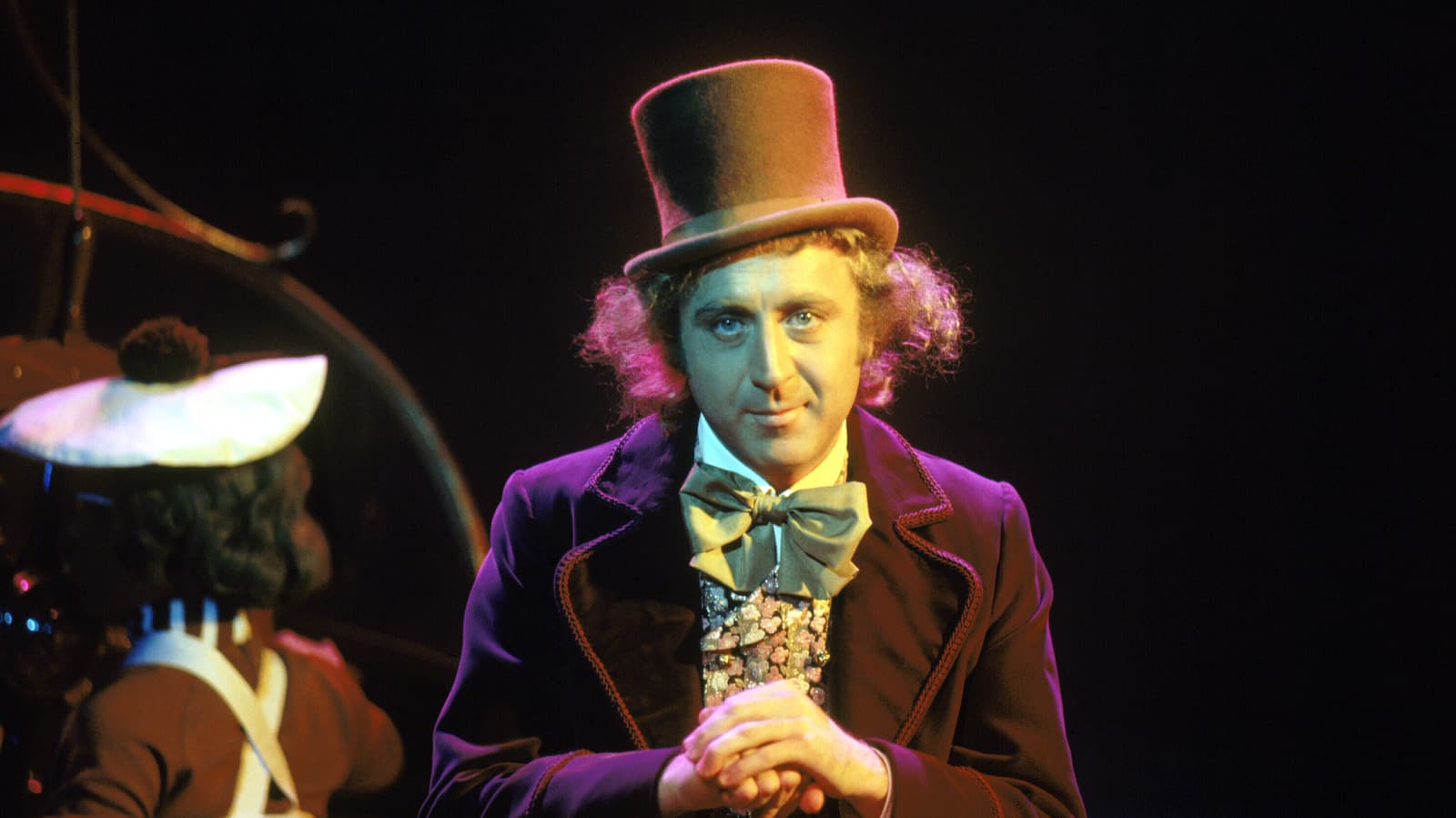
Netflix is resurrecting Willy Wonka using an AI-generated version of Gene Wilder’s voice for a new competition reality series. This decision raises questions about consent, legacy, and the fine line between tribute and exploitation.
What’s Actually Happening
The show is called Golden Ticket, a reality competition set in the Willy Wonka universe. Instead of hiring a living actor to voice Wonka, Netflix opted for AI voice cloning technology. This software analyzes recordings of a person’s voice to synthetically reproduce their sound, allowing them to recreate Wilder’s unique and warm delivery.
Gene Wilder, who portrayed Willy Wonka in the classic 1971 film Willy Wonka and the Chocolate Factory, passed away in 2016. Since he can’t consent to this use of his voice, it’s unclear if his estate officially approved this recreation or just chose not to intervene.
To put it simply, AI voice cloning involves teaching a computer to mimic someone by using hours of their recordings. The results can sound incredibly realistic, but the person being mimicked never actually uttered the words being spoken.
Why Netflix Is Doing This
From a business perspective, the rationale is clear. Wilder’s Wonka is one of the most iconic characters in pop culture. His voice resonates deeply with the audience Netflix wants for this lighthearted reality competition. Hiring a voice actor would invite unwanted comparisons. By using AI to simulate Wilder’s voice, Netflix avoids that issue while capitalizing on the original film’s legacy.
Netflix hasn’t revealed which AI company or tool they used for the voice recreation.
The Bigger Problem Here
This situation isn’t happening in isolation. The entertainment industry has grappled with AI voice and likeness issues since at least 2023. During the SAG-AFTRA actors’ strike, AI likeness protections became a key demand. While actors gained some protections, those rules apply only to living performers. Deceased artists exist in a legal gray area that varies by jurisdiction.
The timing is crucial. Just this month, Meta shut down an AI deepfake feature on Instagram after significant backlash from users. The broader conversation around consent in synthetic media is still evolving. Netflix’s decision to proceed with a deceased performer’s AI voice pushes into that unresolved territory.
There’s also a creative argument here. Wilder was known for being protective of his portrayal of Wonka. He often expressed discomfort with how the character was revisited without his input. Using AI to put words in his mouth after his death contradicts that preference in a way that’s hard to ignore.
| Netflix — Company Snapshot | |
|---|---|
| Ticker | NFLX |
| Stock Price | $73.37 (-2.78%) |
| CEO | Ted Sarandos |
| Headquarters | Los Gatos, CA |
| Founded | 1997 |
| Sector | Streaming |
Community Reactions
Reactions online have been mixed. Many viewers feel uneasy about the concept, regardless of how impressive the technical execution might be.
“This feels deeply wrong. Gene Wilder was very specific about not wanting Wonka revisited constantly. Using AI to speak for him after death is exactly the kind of thing he would have hated.” — Reddit user, r/television
“I don’t know how to feel. If it actually sounds like him and the show is good, is that bad? But also… he can’t say no anymore and that matters.” — YouTube comment on the Netflix announcement trailer
What This Means
For regular Netflix subscribers, the immediate takeaway is simple: a new Wonka-themed competition show is on the way. Whether the AI voice feels nostalgic or unsettling will likely depend on the viewer.
But the larger implications are significant for everyone who enjoys entertainment. If this show does well, expect more studios to follow suit. AI voice and likeness technology is getting cheaper and more convincing every month. Hollywood has a long history of monetizing beloved deceased performers, from CGI recreations to hologram concert tours. A successful Netflix series built around an AI voice clone could pave the way for a new genre of content.
This also raises an important question: should there be laws specifically protecting deceased performers’ voices and likenesses from AI recreation without documented consent? The answer in the U.S. is complicated and inconsistent across states.
What To Watch
- Estate response: Keep an eye out for any public statement from the Gene Wilder estate regarding whether they approved or were simply informed about the AI voice use. That distinction is important legally and ethically.
- Netflix release date: A specific premiere date for Golden Ticket hasn’t been announced yet, but Netflix has confirmed the show is coming soon.
- Regulatory movement: Several U.S. states are considering AI likeness protection legislation. A high-profile case like this could speed up those efforts.
- SAG-AFTRA response: The actors’ union has been vocal about AI issues. Their public reaction to this project, if any, will be worth following.
Sources

Ava Mitchell
Ava Mitchell is a digital culture journalist at Explosion.com covering social media platforms, streaming services, and the creator economy. With 4 years reporting on TikTok, Instagram, YouTube, and the apps that shape daily life, Ava specializes in explaining platform policy changes and their impact on everyday users. She previously managed social media strategy for a tech startup, giving her firsthand experience with the platforms she now covers.