Tidal has announced it will stop paying royalties on tracks identified as 100 percent AI-generated. They’re also introducing labels to inform listeners about what they’re hearing. However, the streaming platform won’t completely remove AI music from its service.
What Tidal Is Actually Doing
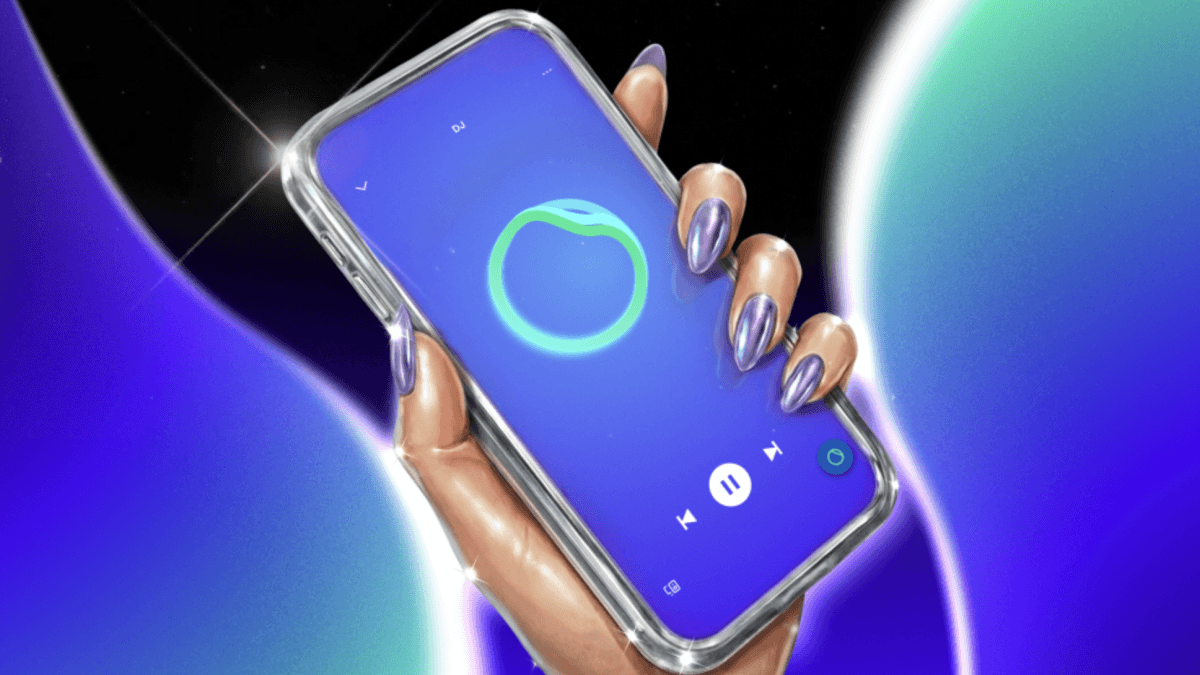
Starting today, Tidal will demonetize any track that it finds was created entirely by artificial intelligence, without meaningful human input. Then, beginning July 15th, those tracks will display a visible icon indicating they’re AI-generated, allowing listeners to see what they’re about to play.
The platform plans to take down music it deems “fraudulent.” This category includes AI-generated tracks uploaded to manipulate the royalty system, which has become a significant issue in the streaming industry in recent years.
Think of it like a restaurant marking menu items with “artificial flavoring included.” The dish remains available, but you know exactly what you’re getting, and the chef gets compensated differently for it.
The Royalty Problem Tidal Is Trying to Solve
Streaming royalties function like a shared pool of money that gets divided based on how many times songs are played. When bots flood a platform with thousands of AI-generated tracks and artificially boost their play counts, it reduces the payout per stream for every other artist. Tidal’s new policy aims to close that loophole.
Tidal has framed this move as a way to “protect artists” and “inform listeners.” These goals don’t necessarily require an outright ban on AI music, which likely explains the company’s middle-ground approach.
| By The Numbers: Tidal’s AI Music Policy | |
|---|---|
| Royalties on 100% AI-generated tracks | $0 — demonetized starting now |
| AI labeling rollout date | July 15, 2025 |
| Tracks affected | Those identified as fully AI-generated with no human creative input |
| Outright ban on AI music? | No |
How Tidal Plans to Detect AI Music
Tidal hasn’t shared the full technical details of its detection system, but identifying AI-generated audio is a growing field. Detection tools look for patterns in audio files — such as unnatural frequency distributions or structural signatures — that differ from recordings made by human musicians. No detection system is flawless. That’s why Tidal is concentrating on tracks that are clearly and completely machine-made, rather than those that used AI as just one tool among many.
Music that combines human performance with AI assistance occupies a gray area that the policy doesn’t fully address yet, which could create friction as more artists start using AI tools in their production.
What This Means for Everyday Listeners
If you use Tidal for streaming, you’ll notice an icon on tracks identified as AI-generated starting July 15th. This lets you decide whether to skip them or not without having to make a guess.
For those who enjoy AI-generated music, nothing is disappearing from the library. Tidal isn’t removing those tracks, but the artists or companies that uploaded them won’t earn streaming revenue from plays. This might influence how much AI-generated content gets uploaded to the platform in the future.
For fans of human musicians, this policy aims to protect the royalty pool those artists rely on. So, the money you spend on a Tidal subscription is more likely to reach the creators of the music you love.
How the Industry Is Reacting
Tidal isn’t the first platform to face this issue. Spotify and others have already removed millions of AI-generated tracks flagged for royalty manipulation, though policies vary widely across services. Tidal’s labeling approach instead of a ban places it somewhere in the middle of the industry spectrum.
Community responses have been mixed. On Reddit’s r/Music, user u/vinylvaultkeeper commented: “Finally. I want to know what I’m listening to, and real artists deserve to get paid. This is the bare minimum but at least it’s something.” Meanwhile, YouTube commenter @synth_notes_daily countered: “The line between ‘AI-generated’ and ‘AI-assisted’ is blurry. A lot of producers use AI plugins. How is Tidal going to handle that?”
What To Watch
- July 15, 2025: Tidal’s AI labeling system goes live — keep an eye on how the icons appear in the app and whether users find them helpful.
- Detection accuracy: As Tidal flags tracks, disputes from artists who believe their music was mislabeled will test how robust and fair the platform’s review process is.
- Industry follow-on: If Tidal’s approach gains positive attention, expect Spotify, Apple Music, and Amazon Music to face renewed pressure to adopt similar labeling or demonetization policies.
- The gray area problem: How Tidal handles AI-assisted music — human artists who used AI tools during production — remains undefined and will likely need its own policy as this technology becomes more widespread.

Daniel Park
Daniel Park covers AI, cloud infrastructure, and enterprise software for Explosion.com. A former software engineer who transitioned to technology journalism 5 years ago, Daniel brings technical depth to his reporting on artificial intelligence, startup funding rounds, and the companies building the future of computing. He breaks down complex AI developments and business strategies into clear, actionable insights for readers who want to understand how technology is reshaping industries.