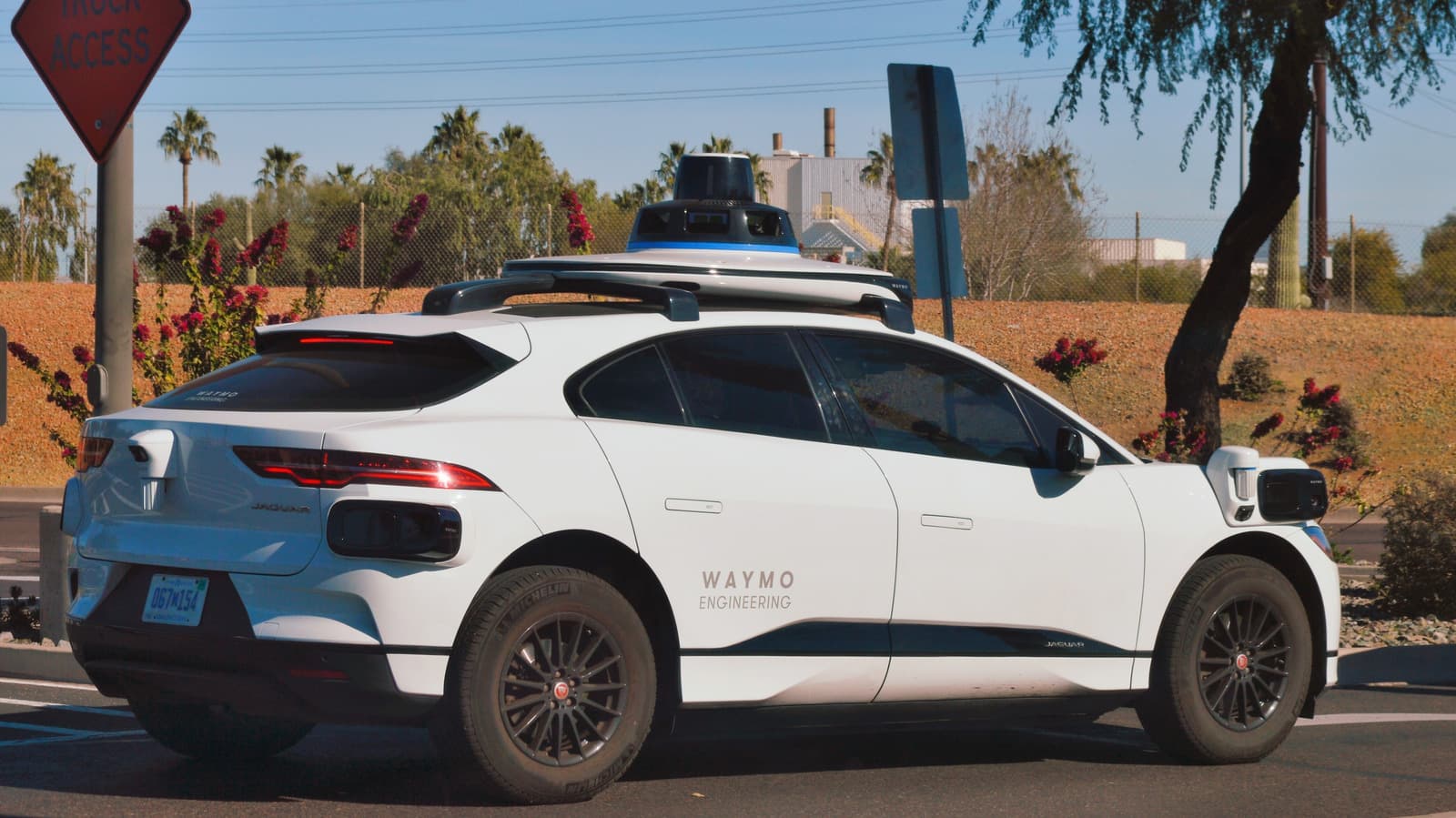
Uber has quietly ended its partnership with Waymo in Phoenix, putting an end to nearly three years of collaboration. Both companies confirmed this change to TechCrunch, marking a shift in Uber’s approach to driverless technology moving forward.
| CEO | Dara Khosrowshahi |
|---|---|
| Ticker | UBER |
| Stock Price | $73.60 (-0.98%) |
| Headquarters | San Francisco, CA |
| Founded | 2009 |
| Sector | Transport |
How the Partnership Worked
Starting in 2023, Uber users in Phoenix could request a Waymo vehicle—a fully autonomous car—right through the Uber app. Waymo, owned by Alphabet, had been running its driverless taxi service, Waymo One, in Phoenix since 2020. This made it one of the most advanced robotaxi services globally.
The partnership was unusual from the beginning. Waymo and Uber are competitors, both aiming to dominate the future of transportation. Teaming up felt a bit like McDonald’s selling Burger King burgers. It worked for a while, but their goals always pulled them in different directions.
Why Did They Split?
Neither company has provided a detailed public explanation, but the signs are clear: Uber wants to develop its own robotaxi capabilities. Engadget reports that Uber is likely to shift its focus to its own driverless vehicle programs instead of relying on partnerships like the one with Waymo.
This move fits a larger trend. Back in 2020, Uber sold its self-driving unit, Advanced Technologies Group. However, the company has been quietly working on its autonomous vehicle strategy since then, making deals with other robotaxi developers and exploring its own hardware and software initiatives.
As for Waymo, it doesn’t really need Uber. Waymo One is expanding on its own in cities like San Francisco, Los Angeles, and Austin. They also have their own app for booking rides. Using a competitor’s platform was always just a temporary solution.
What This Means for Phoenix Riders
If you used the Uber app to book Waymo rides, your options have narrowed a bit. But don’t worry—Waymo still has its own app for hailing self-driving cars in the Phoenix area. The ride is still available; you just can’t book it through Uber anymore.
For Uber users outside Phoenix, nothing changes immediately. However, this split hints at a trend toward a more fragmented robotaxi market. Each major player will likely run their own app and fleet instead of relying on a single unified platform.
Think of it like the early streaming days. Initially, you could find content from various studios on Netflix. Then, each studio launched its own service. The robotaxi industry may move in a similar direction, with Waymo, Uber, Tesla, and others wanting you to use their app exclusively.
Community Reactions
“This was always a weird deal. Waymo doesn’t need Uber, and Uber definitely doesn’t want to be handing rides to a competitor forever. Surprised it lasted this long.”
— u/transit_nerd_pdx, Reddit
“As a Phoenix local who used this regularly, it’s annoying. The Waymo app works fine but now I have to manage two apps again instead of one.”
— YouTube comment on Waymo coverage, 2026
What To Watch
- Uber’s next robotaxi move: Keep an eye out for announcements about Uber’s own autonomous vehicle partnerships or internal programs. CEO Dara Khosrowshahi has indicated that driverless rides are key to Uber’s long-term profitability, so they won’t stay on the sidelines.
- Waymo’s expansion pace: Waymo has been steadily adding new cities. Austin and Atlanta are recent additions, and the company has hinted at further U.S. expansion in 2026. More cities mean more competition with traditional Uber rides.
- Regulatory decisions: Several U.S. cities are still figuring out the rules for robotaxis operating at scale. How these decisions unfold will impact how quickly any of these companies can grow their driverless fleets.
Sources

Maya Torres
Maya Torres is the Consumer Tech Editor at Explosion.com with 7 years covering product launches for major technology publications. She has reviewed over 300 devices across smartphones, laptops, wearables, and smart home products. Maya specializes in translating spec sheets into real-world buying advice and attends CES, MWC, and Apple keynotes as press. Her reviews focus on helping readers decide what to buy, not just what specs look good on paper.