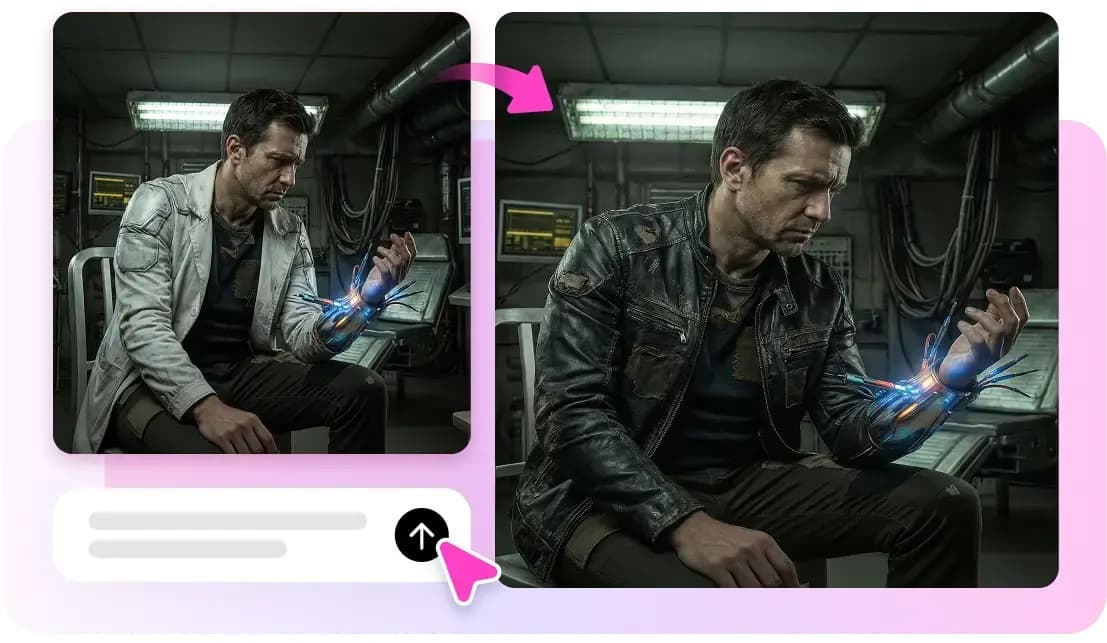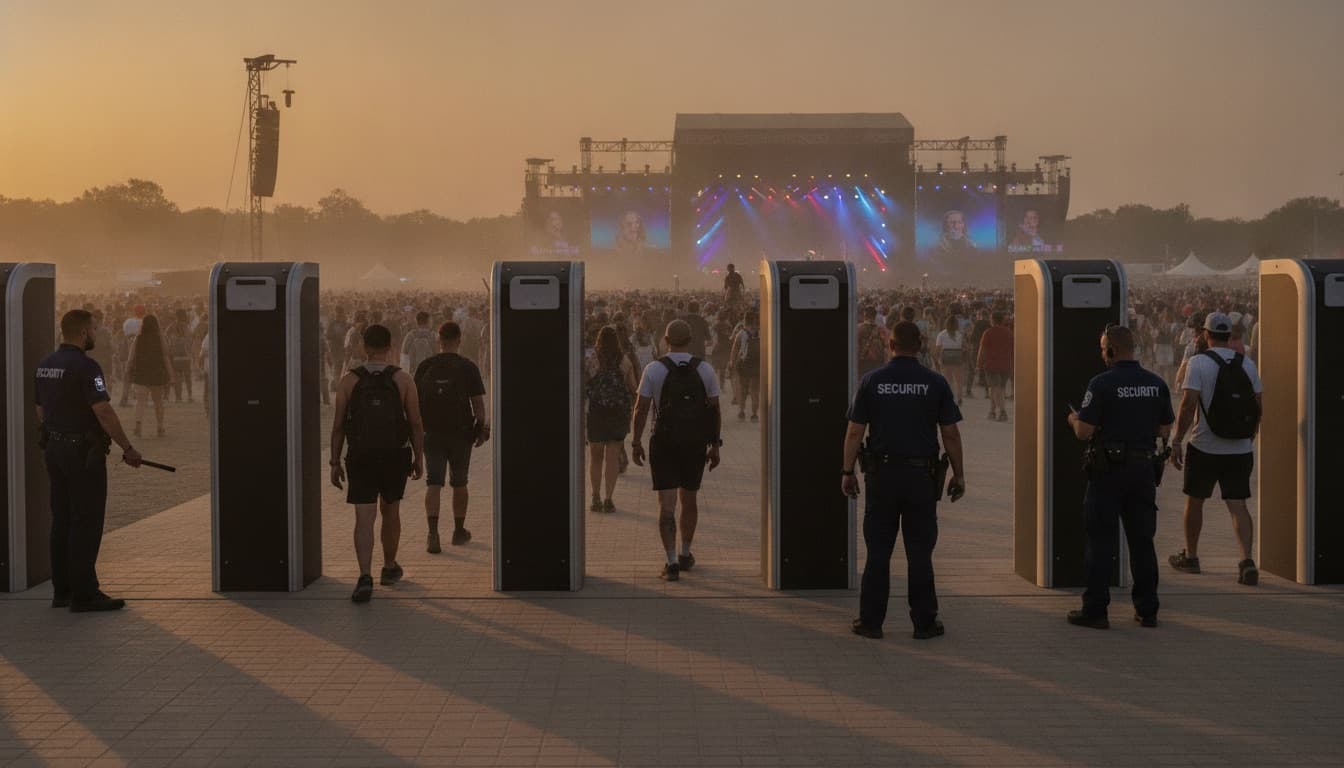
Google has just made one of Gemini’s standout features available for free users in the U.S.: personalized AI image generation. This tool creates custom images by drawing from your Google apps and search history.
Before now, this feature was only for Gemini Advanced subscribers, who pay $19.99 a month for Google’s premium AI access. As of late June 2026, eligible free users in the U.S. can use it at no cost.
Understanding Personalized Image Generation
Regular AI image generators function like picture search engines. You enter a description, and the AI produces an image based on that. However, Gemini takes it further. It links to your Google apps—like Google Photos and your search history—to gather real context about you. This allows it to create images that feel tailored to your life.
Imagine asking a stranger to draw your dog versus asking someone who knows your dog personally. The results can reflect your pet’s actual coloring, your home’s unique features, or locations you’ve searched recently, rather than just generating a random golden retriever in a typical backyard.
As reported by TechCrunch, Gemini generates these images by pulling data from your connected Google apps while ensuring that your information stays secure within Google’s privacy framework.
How It Operates Behind the Scenes
When you request a personalized image, Gemini doesn’t just rely on your text prompt. It cross-references existing information in your Google account. This may include places you’ve searched, photos you’ve taken, or interests indicated by your activity.
According to Android Authority, Google safely extracts this context from your connected apps. The data processing adheres to the same permissions and privacy settings that govern your Google account. You can adjust what Gemini accesses through your account settings.
Currently, this feature is only available to eligible free users in the United States. Google hasn’t provided a timeline for a broader rollout to other countries.
What This Means for Users
This development is a significant improvement to an already useful free tool. If you’ve ever tried generating an AI image only to be disappointed, personalization helps bridge that gap—especially for images related to your own environment, pets, or preferences.
Additionally, this positions Google more competitively against tools like ChatGPT’s image generator (which uses DALL-E) and Midjourney. Unlike those tools, Google has access to years of user data, which is both a key advantage and a concern for privacy-minded users.
The practical benefit? Free users in the U.S. can now create images for things like custom birthday invitations featuring the guest of honor, travel mood boards based on their search history, or pet portraits that actually resemble their pets—all without needing to upgrade to a paid plan.
| By The Numbers: Gemini Personalized Image Generation | |
|---|---|
| Previous access tier | Gemini Advanced ($19.99/month) |
| New access tier | Free (eligible U.S. users) |
| Availability | United States only (as of June 2026) |
| Data sources used | Google Photos, Search history, connected Google apps |
| Rollout date | June 29, 2026 |
Community Feedback
The reactions online have varied. Some users are thrilled about the creative potential, while others feel uneasy about an AI tool that knows so much about them.
One Reddit commenter summed up the divide: “Cool feature in theory, but I’m not sure I want an AI rummaging through my Photos library every time I want to make a meme.” — u/greybox_throwaway, r/Android
On a different note, a YouTube user on a demo video shared: “Finally tried this and it actually made my dog look like MY dog. That’s wild. Been waiting for something like this for years.” — @techcasualviewer
What To Keep an Eye On
- International expansion: Google hasn’t confirmed when personalized image generation will roll out to users outside the U.S. Look for updates related to Google I/O follow-up events or Gemini app updates.
- Privacy policy updates: As more users opt into this feature, there will likely be increased scrutiny around how Google handles that image-generation data. Watch for changes to Google’s AI data usage policies.
- Competitor response: OpenAI and Anthropic may not have the same depth of personal data access, but both are expanding their image tools. Their reactions to Google’s personalization effort could influence the broader AI image market in the latter half of 2026.
- Feature limits for free users: It’s still unclear whether free users will face any generation limits or quality restrictions compared to paid subscribers. Google may clarify this as testing continues.

Daniel Park
Daniel Park covers AI, cloud infrastructure, and enterprise software for Explosion.com. A former software engineer who transitioned to technology journalism 5 years ago, Daniel brings technical depth to his reporting on artificial intelligence, startup funding rounds, and the companies building the future of computing. He breaks down complex AI developments and business strategies into clear, actionable insights for readers who want to understand how technology is reshaping industries.