
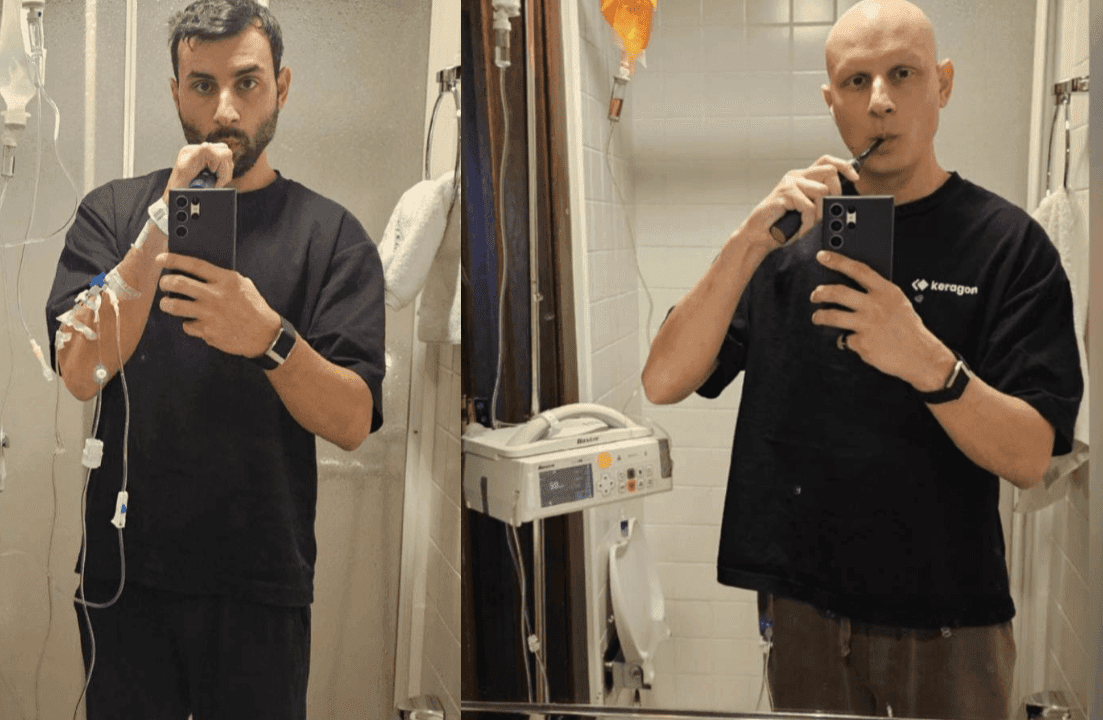
When Connor Christou, a tech founder focused on health, found out he had cancer, he did what any data-driven entrepreneur would do: he transformed his whole medical situation into a dataset and used AI to analyze it.
Christou input everything into Claude (Anthropic’s AI assistant designed for complex conversations), including blood test results, scan data, outputs from fitness devices, and personal journal entries. His aim wasn’t to replace his doctors, but to gain a tireless second opinion that could spot patterns across countless variables.
Who Is Connor Christou?
Christou wasn’t just a casual gym-goer. He treated his body like a startup: constantly optimized, tracked, and refined. His wearable data, blood panels, and health journals showcased years of careful self-monitoring. This obsession with data became one of his biggest assets when he faced a cancer diagnosis.
His method places him at the forefront of a rising trend sometimes referred to as “n=1 medicine.” This concept emphasizes that individuals can leverage personal data to make informed healthcare choices rather than relying solely on broader population statistics that might not fit their situation.
How He Actually Used It
Think of Christou’s approach as hiring a research assistant who has read every medical study ever published and can reference your personal health history in seconds. Claude can handle vast amounts of text quickly, allowing Christou to paste lab reports, describe symptoms, share wearable data, and ask questions like: “Based on my inflammatory markers over the last six months, is this result unusual for someone like me?”
While a human researcher might take hours or days to analyze such queries, AI can find connections in seconds. However, it can’t diagnose or replace a doctor’s expertise.
Christou used the AI to prepare thoughtful questions for his oncologists, clarify treatment options in simple terms, and monitor his body’s responses over time. The AI didn’t make decisions for him; it helped him make more informed choices.
What This Means
For everyday people, Christou’s experience provides a glimpse into the future of personal healthcare. You don’t have to be a tech founder to benefit from this approach. Consumer AI tools can assist patients in several ways:
- Translate confusing lab results into plain English
- Simplify research on a specific diagnosis or treatment
- Organize medical history before appointments
- Highlight questions worth discussing with a doctor
The key point to remember is that AI here acts as a research and organization tool, not a diagnostic one. Asking Claude what an elevated CRP (C-reactive protein, a marker of inflammation) reading means is different from asking it to diagnose your illness.
Still, the difference between a “confused patient staring at a PDF” and an “informed patient entering an appointment with specific questions” is huge. AI is rapidly bridging that gap.
| By The Numbers: AI in Personal Health | |
|---|---|
| Data types Christou fed into Claude | Blood results, scan data, wearable output, journal entries |
| AI model used | Claude (by Anthropic) |
| Anthropic’s current government reach | Cleared for use across 100+ U.S. organizations as of July 2026 |
| Claude’s context window | Up to 200,000 tokens — about 150,000 words in a single session |
The Risks Nobody Is Talking About
While Christou’s story is inspiring, it brings up important concerns. Medical records hold some of the most sensitive personal information. Feeding that data into a third-party AI system, even a reputable one, raises privacy issues that many people might not fully grasp.
There’s also potential for misinterpretation. AI models can summarize information accurately but may present it misleadingly. A pattern that appears significant in a data dump might not be clinically relevant. Doctors spend years learning what numbers mean and how they connect in the context of a specific patient’s overall health.
When used effectively, AI can be a powerful preparation tool. However, if misused, it can lead patients into unnecessary anxiety or false reassurance.
Community Reaction
“I did something similar with my dad’s chemo records. I wasn’t trying to replace his oncologist, just trying to understand what was happening. Claude was surprisingly good at explaining drug interactions in plain English.”
“I respect the hustle, but I’m also slightly terrified that we’ll all start self-diagnosing with chatbots and ignore actual doctors.”
What To Watch
- Anthropic’s healthcare push: With Claude now cleared for over 100 U.S. organizations under the Trump administration’s AI framework, expect more formal partnerships with medical institutions by late 2026.
- FDA guidance on AI health tools: Regulators have been slow to define the boundary between an AI “wellness” tool and a medical device. Clearer guidelines are anticipated before the end of 2026.
- Wearable-to-AI pipelines: Companies like Apple, Garmin, and Oura are working on closer integrations between health data and AI platforms. Christou’s manual method could soon be automated in the next product cycle.
- Personal health AI startups: Stories like Christou’s provide proof that attracts venture funding. Look for a rise in startups creating structured health AI tools targeted at cancer patients and chronic illness communities.
Sources: TechCrunch

Ava Mitchell
Ava Mitchell is a digital culture journalist at Explosion.com covering social media platforms, streaming services, and the creator economy. With 4 years reporting on TikTok, Instagram, YouTube, and the apps that shape daily life, Ava specializes in explaining platform policy changes and their impact on everyday users. She previously managed social media strategy for a tech startup, giving her firsthand experience with the platforms she now covers.


