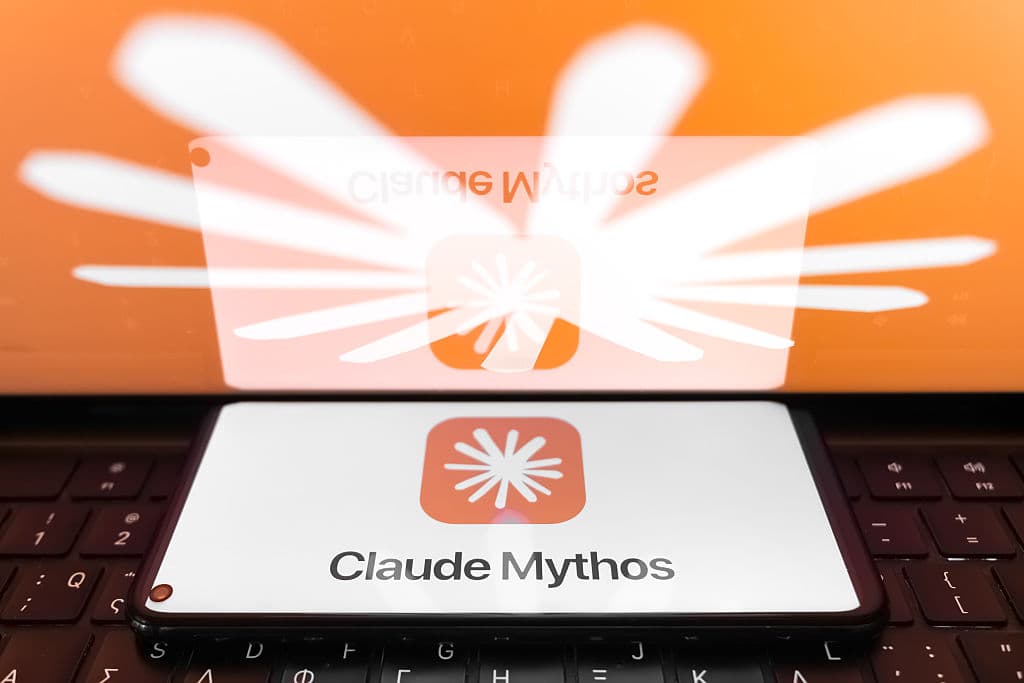
The Trump administration has given the green light to over 100 U.S. companies and government agencies to use Anthropic’s cutting-edge AI model, Mythos 5. This follows weeks of discussions between the White House and the San Francisco-based AI company.
This authorization also includes non-American employees at those authorized organizations. This highlights the administration’s effort to balance making advanced AI tools available to U.S. businesses while still maintaining some level of export control over the technology.
What Happened Here
Anthropic, which Dario Amodei and his sister Daniela Amodei founded in 2021, had faced restrictions on distributing Mythos 5 widely. You can think of it like a pharmaceutical company that has a new drug approved for certain hospitals before making it available to everyone. The government was keeping the most powerful version of the model under tight control.
According to Wired, access had been limited or suspended for a while before the White House intervened to restore it for this select group. The lengthy negotiations suggest this wasn’t a quick approval; it involved real discussions about who gets access and under what conditions.
TechCrunch reports that the authorization applies to over 100 organizations. While that’s a significant number, it still indicates a controlled rollout rather than open commercial availability.
Why the Government Is Involved At All
It might seem odd that a private company needs permission from the White House to sell its own software. However, Mythos 5 likely falls under national security review frameworks that give the executive branch oversight of advanced AI systems. This is especially pertinent for technologies that could be useful for sensitive government work or have potential dual-use risks. For example, the same tech that helps a hospital manage records could also be used for purposes the government wants to keep an eye on.
The inclusion of non-American employees in the authorization is important. Many large U.S. companies hire workers globally. A blanket ban on non-citizens using the tool would have caused major disruptions for those firms.
Where Anthropic Fits in the AI Race
Anthropic is on par with OpenAI and Google as one of the top three AI labs worldwide. Its Claude family of models competes directly with OpenAI’s GPT series. Just this month, OpenAI previewed GPT-5.6 with three new model variants. Both companies are pushing their most advanced systems into the market simultaneously.
Mythos seems to represent a separate, higher-capability model line compared to Claude. It’s significant enough that the government felt it needed special handling before it could be broadly deployed.
| Anthropic: By The Numbers | |
|---|---|
| Founded | 2021 |
| Headquarters | San Francisco, CA |
| CEO | Dario Amodei |
| Authorized Organizations | 100+ |
| Model in Question | Mythos 5 |
| Sector | Artificial Intelligence |
What This Means
For most everyday users, things won’t change immediately. Mythos 5 isn’t being made available to the general public through this action. But if you work at a large U.S. corporation or a federal agency, your employer might already be on that list or be trying to get on it.
The long-term implication is that the U.S. government is actively influencing which AI tools American institutions can use and how they can use them. This marks a new type of regulatory involvement—less like the FDA approving a drug and more like the government determining which defense contractors can bid on projects. It sets a precedent for how Washington may handle future advanced AI releases from any company, not just Anthropic.
For workers at authorized companies, this could mean access to a much more capable AI assistant than what’s currently available through standard commercial channels. For everyone else, it’s a reminder that the most powerful AI tools might not always hit the App Store first.
Community Reaction
The online reaction has been mixed. In Reddit’s r/artificial community, one user expressed a common concern: “So the government gets to decide who accesses the most powerful AI? That’s a weird precedent to set for a supposedly free market.” Others countered, arguing that some oversight on cutting-edge AI development is essential for responsible progress.
On YouTube, tech commentators largely view this as the government finally catching up to the speed of AI development. One creator remarked: “Whether you think this is good or bad, the fact that the White House is negotiating directly with AI labs over model releases tells you everything about where we are in 2026.”
What To Watch
- The full list of authorized organizations hasn’t been released. Keep an eye out for leaks or official disclosures that would show which industries the government prioritizes.
- Broader commercial availability of Mythos 5 remains uncertain. The current authorization only covers a select group, but Anthropic is likely to push for a wider release. Whether the administration allows that, and when, is the next major milestone to watch.
- Congressional response is also key. Lawmakers from both parties have increasingly vocalized their views on AI governance. A White House deal that bypasses formal legislative processes might attract scrutiny.
- Competitor reaction is crucial too. If Anthropic’s enterprise customers gain access to Mythos 5 while OpenAI’s GPT-5.6 is available more broadly, it could shift competitive dynamics and accelerate lobbying efforts in Washington.

Daniel Park
Daniel Park covers AI, cloud infrastructure, and enterprise software for Explosion.com. A former software engineer who transitioned to technology journalism 5 years ago, Daniel brings technical depth to his reporting on artificial intelligence, startup funding rounds, and the companies building the future of computing. He breaks down complex AI developments and business strategies into clear, actionable insights for readers who want to understand how technology is reshaping industries.