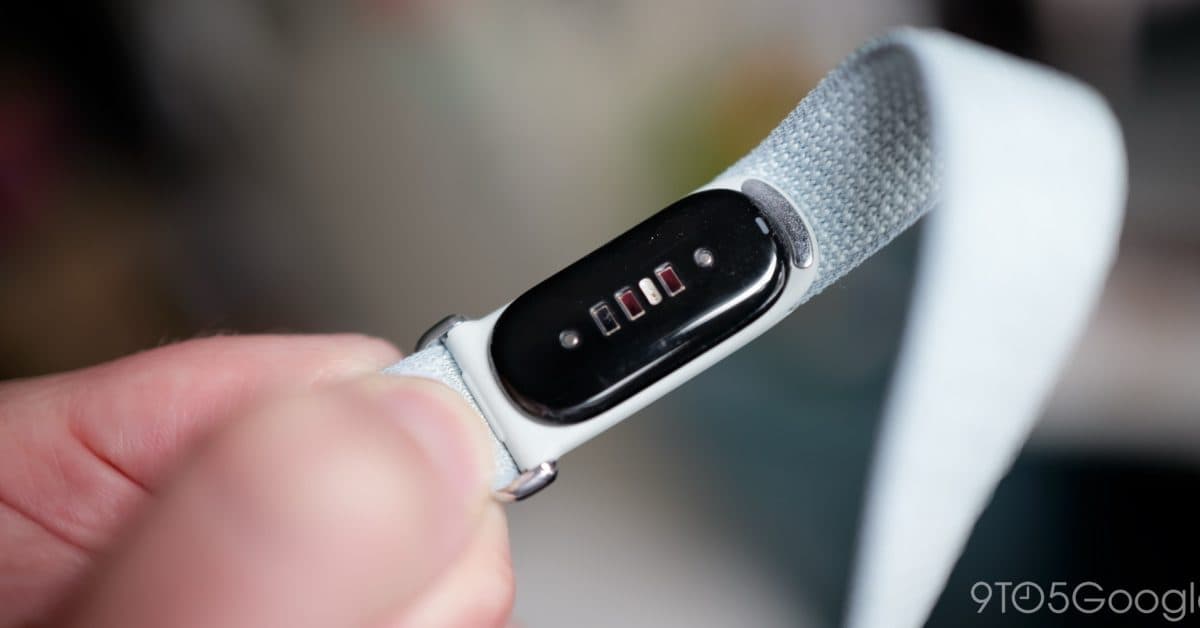
Google is shutting down the workaround that allowed Fitbit users to keep using the old Fitbit app instead of upgrading to Google Health. A new firmware update for the Fitbit Air will enforce this change.
| Alphabet / Google — Company Data | |
|---|---|
| Ticker | GOOGL |
| Stock Price | $359.91 (−0.36%) |
| CEO | Sundar Pichai |
| Headquarters | Mountain View, CA |
| Founded | 1998 |
| Sector | Big Tech |
What Was the Loophole?
When Google started migrating Fitbit users to its Google Health app, not everyone welcomed the change. Many users figured out they could keep using the original Fitbit app by avoiding device firmware updates or ignoring the Google Health migration prompts. This meant older firmware allowed the Fitbit app to function as a backend, letting users bypass Google’s new ecosystem entirely.
That option is now disappearing. According to 9to5Google, Google has begun releasing the first firmware update for the Fitbit Air, its latest tracker. As Android Authority reports, this update specifically targets the old workaround. Once this update installs on your device, you’ll no longer have access to the old Fitbit app.
Why Google Is Doing This Now
Google bought Fitbit in 2021 for $2.1 billion and has been slowly integrating Fitbit’s features into its Health platform since then. Think of it like a company acquiring a beloved local coffee shop and gradually changing the menu with its own brand. Regular customers may not love it, but a single, unified app is easier to manage, monetize, and develop.
The Fitbit Air firmware update is the latest move in this process. By enforcing firmware that removes compatibility with the old Fitbit app, Google effectively eliminates any user choice. If you have a Fitbit Air, you’re now required to use Google Health — no exceptions.
What Happens If You Don’t Update?
Skipping the firmware update isn’t a viable long-term solution. Google typically stops syncing data and providing health insights for devices running outdated firmware. This means your step counts, sleep data, and heart rate readings will stop showing correctly in any app. Plus, firmware updates include important security patches, so sticking with old firmware carries risks over time.
What This Means for Everyday Users
If you’ve been hesitating to switch to Google Health, that choice is being made for you. Here’s what to expect:
- Your data moves to Google’s ecosystem. Health metrics like sleep scores, activity minutes, and heart rate history will reside in Google Health, subject to Google’s privacy policies instead of the original Fitbit terms many users accepted years ago.
- The interface is different. Google Health features a layout distinct from the Fitbit app. Some functionalities users relied on in the Fitbit app — like certain social challenges or specific dashboard views — might work differently or may not be available in Google Health yet.
- Third-party integrations may change. If you connected your Fitbit to apps like MyFitnessPal or Strava using the old Fitbit API (which allows apps to communicate), you’ll likely need to reconnect those services through Google Health’s integration system.
- Google account required. Google Health is linked to a Google account. Users with a standalone Fitbit account will need to complete the migration to a Google account to keep their devices functioning.
Community Reaction
“I’ve been dreading this for two years. The Fitbit app just worked. Google Health feels like it was designed by a committee that never actually wore a fitness tracker.”
“Honestly, Google Health has improved a lot in the last few updates. The sleep coaching is genuinely better than what Fitbit offered. Give it a real chance before writing it off.”
Reactions from the community about the transition are mixed. Long-time Fitbit users often mourn the loss of a familiar app, while newer users or those who have already switched find Google Health has improved enough to serve as a suitable replacement.
What To Watch
- Firmware rollout timeline: The Fitbit Air update is already being released, but Google usually rolls out firmware updates over several weeks. Check your Fitbit app settings to see if the update is available on your device yet.
- Older Fitbit models: The Air is Google’s latest device, but similar firmware changes are expected for older Fitbit models still using the legacy app workaround. Keep an eye out for announcements regarding the Charge, Sense, and Versa lines.
- Google Health feature parity: Critics have pointed out missing features after the migration. While Google hasn’t released a public roadmap, user pressure suggests they will need to address these gaps quickly to avoid backlash, especially with competitors like Apple and Samsung continually improving their health platforms.
- Privacy policy scrutiny: When a major health data platform grows its user base by millions, regulators take notice. It’ll be interesting to see if any EU or US privacy watchdogs examine Google Health’s data practices following this migration.

Maya Torres
Maya Torres is the Consumer Tech Editor at Explosion.com with 7 years covering product launches for major technology publications. She has reviewed over 300 devices across smartphones, laptops, wearables, and smart home products. Maya specializes in translating spec sheets into real-world buying advice and attends CES, MWC, and Apple keynotes as press. Her reviews focus on helping readers decide what to buy, not just what specs look good on paper.