
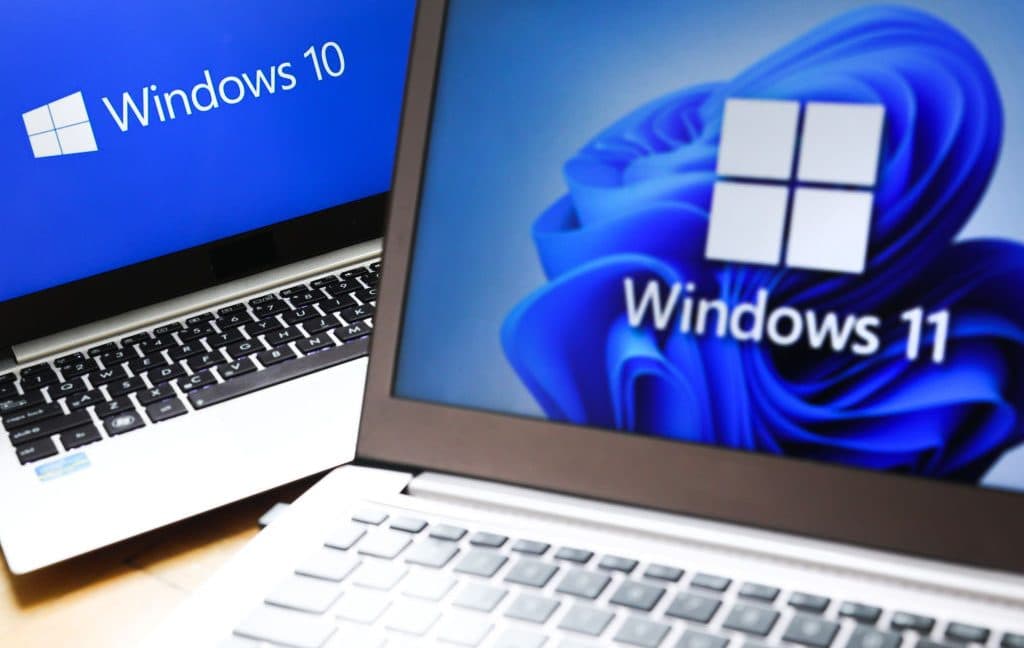
Microsoft has announced that Windows 10 users will receive an additional year of free security updates. This extension of the Extended Security Updates (ESU) program will now last until October 2027. This change will help roughly a quarter of all PC users still using the older operating system.
What Changed
Windows 10 officially reached its end of life in October 2025. This marked the point when Microsoft stopped providing regular updates and security patches for the OS. Instead of leaving millions of users vulnerable to unpatched security flaws, Microsoft launched the ESU program to protect those machines a bit longer.
Initially, this program was supposed to end in October 2026. Now, Microsoft has extended it for another year, moving the deadline to October 2027. Importantly, this extension comes at no cost to consumers.
To illustrate: imagine a landlord who was set to stop maintaining an older apartment building in 2025. Instead, they agreed to keep fixing locks and security systems for free through 2027 while encouraging everyone to move to a newer building next door.
Why So Many People Are Still on Windows 10
Data from Ars Technica reveals that around 25% of PCs worldwide still run Windows 10. That’s a major portion of the user base, and it’s not just about stubbornness. Windows 11 has stricter hardware requirements, including a chip called TPM 2.0 (Trusted Platform Module), which many older but still functional PCs lack. As a result, these machines can’t upgrade without new hardware.
For those users, being stuck on an unsupported OS without security patches poses a real risk. This extension provides them with more time to consider their options.
| Detail | Info |
|---|---|
| Ticker | MSFT |
| Stock Price | $390.49 (+1.62%) |
| CEO | Satya Nadella |
| Headquarters | Redmond, WA |
| Founded | 1975 |
| Sector | Big Tech |
| Windows 10 ESU New Deadline | October 2027 |
What This Means
If you’re still using Windows 10, you now have until October 2027 to upgrade to Windows 11, buy a new PC, or explore alternatives. You won’t have to worry about running unprotected against new security threats during this period.
This is especially helpful for those with older laptops and desktops that can’t run Windows 11. You won’t need to rush into buying new hardware just yet. With Microsoft’s free ESU coverage, your machine will keep receiving essential security patches that fend off malware, ransomware (which locks files and demands payment), and other threats.
For businesses and IT departments managing older machines, this extension provides more time to plan and budget for hardware upgrades, rather than scrambling to replace equipment before a deadline.
However, keep in mind that the clock is ticking. October 2027 is approaching, and Windows 10 will eventually lose support entirely. This extension offers more time, but it doesn’t resolve the fact that older hardware will need replacing, or that users will have to transition to a newer OS eventually.
Community Reactions
“Finally some good news. My work laptop can’t run Windows 11 and IT told us we’d have to buy new ones by end of year. This buys us actual time to budget properly.”
— u/sysadmin_tired, Reddit
“It’s free now but I’d bet anything they charge for the next extension if there is one. Still, I’ll take it.”
— YouTube comment on XDA Developers coverage
What To Watch
- October 2027: The new hard deadline for Windows 10 ESU coverage. After this date, no more free security patches unless Microsoft extends the program again.
- Windows 11 adoption numbers: Monitor whether this extension slows the migration to Windows 11, which could impact how Microsoft prices or structures future ESU rounds.
- Hardware maker responses: PC manufacturers might roll out budget-friendly Windows 11-compatible machines targeting users still on older hardware.
- Any paid ESU tier: Microsoft has previously offered paid ESU extensions for enterprise customers. It’ll be interesting to see if a paid option for consumers or small businesses appears closer to 2027.
Sources: Ars Technica | XDA Developers

Ava Mitchell
Ava Mitchell is a digital culture journalist at Explosion.com covering social media platforms, streaming services, and the creator economy. With 4 years reporting on TikTok, Instagram, YouTube, and the apps that shape daily life, Ava specializes in explaining platform policy changes and their impact on everyday users. She previously managed social media strategy for a tech startup, giving her firsthand experience with the platforms she now covers.


