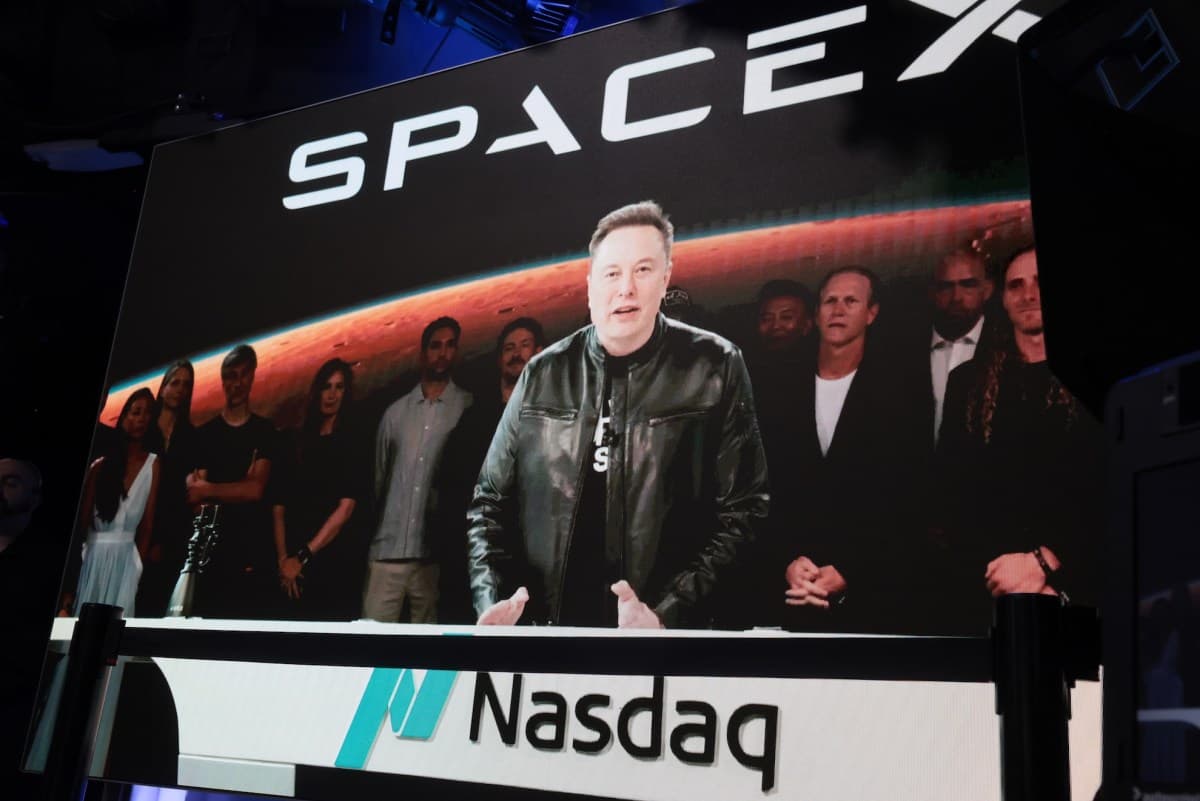
Elon Musk is no longer a trillionaire. A drop in SpaceX’s private stock valuation has pushed the Tesla and SpaceX CEO back under the $1 trillion mark, according to Bloomberg’s Billionaires Index. Now, he’s in the “merely” several-hundred-billion-dollar range.
How Did This Happen?
Musk briefly crossed the trillion-dollar threshold earlier in 2026, making him the first person ever to reach that milestone. Most of his wealth is tied up in ownership stakes in his companies, especially SpaceX and Tesla. So, when those company valuations drop, his net worth takes a hit.
SpaceX is a private company, which means its shares don’t trade on public stock exchanges like Tesla’s. Instead, its valuation comes from secondary market trades. Think of it as a neighborhood home sale setting the price for every house on the block. When trades happen at lower prices, every SpaceX share, including Musk’s, sees its estimated value fall.
That’s exactly what’s happening now. As SpaceX stock continues to slide in secondary markets, the paper value of Musk’s stake has taken a noticeable hit, knocking him off the trillion-dollar pedestal he briefly occupied.
A Very Short Visit to the Comma Club
Reaching $1 trillion in personal net worth is like breaking the sound barrier. No one had done it before Musk. But staying there is a whole different challenge compared to just getting there.
For context, dropping from $1 trillion to around $800 billion still represents an almost unfathomable amount of wealth. However, in the realm of Bloomberg’s Billionaires Index, which tracks net worth based on asset prices, those swings can happen quickly. One rough week for SpaceX’s secondary market or Tesla’s stock price can wipe out hundreds of billions in estimated net worth before the weekend.
| Metric | Detail |
|---|---|
| Peak net worth (2026) | Over $1 trillion (first person in history) |
| Current status | Several hundred billion, per Bloomberg Billionaires Index |
| Primary wealth drivers | SpaceX (private), Tesla (public, NASDAQ: TSLA), X (formerly Twitter) |
| SpaceX valuation method | Secondary market trades (not publicly listed) |
What This Means
For most people, the honest truth is: not much directly changes. Musk’s personal net worth dropping from $1 trillion to several hundred billion doesn’t affect how Tesla cars perform, how SpaceX launches rockets, or how X (formerly Twitter) runs its platform.
But there are a few indirect impacts worth keeping an eye on. First, SpaceX’s declining secondary market valuation might impact the company’s ability to raise funds at favorable terms in future rounds. Still, SpaceX remains one of the best-funded private aerospace companies in the world. Second, if Tesla shares are contributing to the decline, it signals that investors may be uneasy about the company’s direction, potentially affecting current Tesla owners and prospective buyers if it influences future product investments.
More broadly, Musk’s financial story serves as a reminder of how paper wealth operates. Billionaire net worth figures reported by outlets like Bloomberg aren’t cash sitting in a vault. They’re estimates based on the current price of assets, which can fluctuate daily. This number reveals a lot about perceived value but less about actual liquidity.
What People Are Saying
“He was a trillionaire for like five minutes and already lost it. That’s the most relatable thing he’s ever done.”
“People acting like losing $200 billion is a tragedy. The man still has more money than most countries’ GDP. Wake me up when he has to worry about groceries.”
What To Watch
- SpaceX secondary market activity: Any new funding rounds or secondary share sales will set a fresh benchmark for the company’s valuation — and Musk’s net worth. Look for announcements in Q3 2026.
- Tesla stock performance: Tesla shares are publicly traded and fluctuate daily. A strong earnings report or new product announcement could quickly push Musk’s net worth closer to the trillion mark again.
- Bloomberg Billionaires Index updates: The index updates in real time, so Musk’s status could change again with little warning if market conditions shift. TechCrunch has been tracking the fluctuations.
- SpaceX IPO speculation: A public listing for SpaceX would create a far clearer and more stable valuation process. No confirmed timeline exists, but this remains one of the most anticipated potential IPOs in tech. Mashable has more on the SpaceX stock slide.

Ava Mitchell
Ava Mitchell is a digital culture journalist at Explosion.com covering social media platforms, streaming services, and the creator economy. With 4 years reporting on TikTok, Instagram, YouTube, and the apps that shape daily life, Ava specializes in explaining platform policy changes and their impact on everyday users. She previously managed social media strategy for a tech startup, giving her firsthand experience with the platforms she now covers.