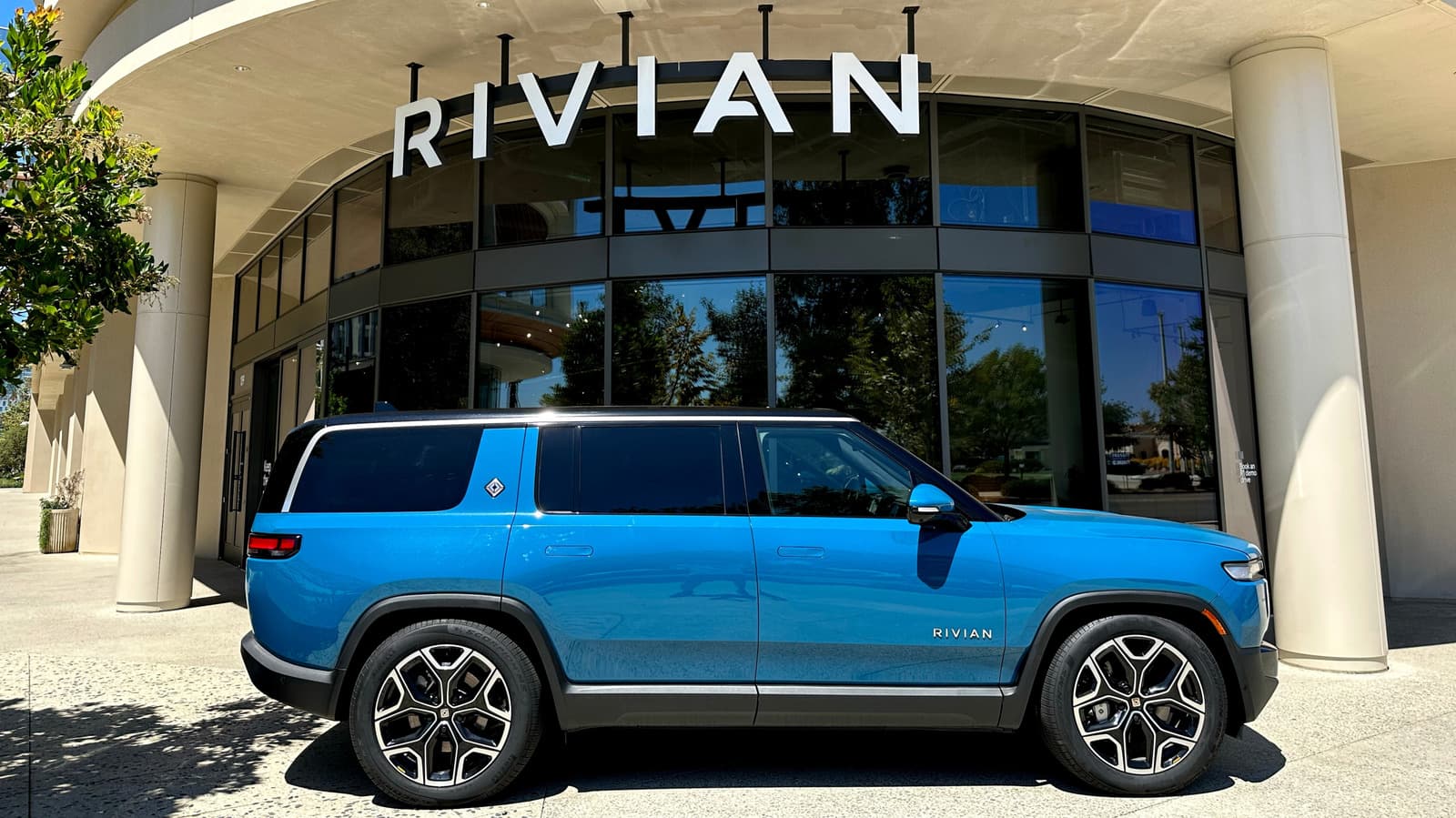
Rivian is currently facing a class action lawsuit from early vehicle owners who allege the electric truck maker made false promises about hands-free driving technology that hasn’t been delivered for their first-generation R1 trucks and SUVs.
What Happened
A group of Rivian owners has filed a class action complaint claiming the company spent years touting autonomous driving features for its first-generation R1 vehicles. They specifically mention hands-free highway driving, which never became a reality. These plaintiffs argue they paid a premium for vehicles marketed with advanced driver-assistance capabilities that Rivian ultimately failed to deliver.
This scenario isn’t entirely unique in the EV world. It’s like ordering a phone that’s advertised with a specific camera feature, paying full price, and then receiving a software update that quietly removes that feature. For buyers who based their purchasing decisions on those promises, the lawsuit contends this represents a breach of trust and potentially violates consumer protection laws.
What Rivian Promised — And What It Delivered
Rivian’s first-generation R1T pickup and R1S SUV launched with a variety of driver-assistance tools. However, the highly anticipated feature many buyers expected — hands-free highway driving akin to GM’s Super Cruise or Ford’s BlueCruise — has yet to materialize for these vehicles. According to the complaint, Rivian marketed this capability to potential buyers for years.
The lawsuit focuses on the disparity between what was advertised during the sales process and what owners actually received post-purchase. Rivian has since shifted its attention to a new in-house driver-assistance system for its next-generation vehicles. Plaintiffs argue this means first-gen owners might be left out in the cold entirely.
| By The Numbers | |
|---|---|
| Rivian R1 Launch Year | 2021 |
| Lawsuit Type | Class Action |
| Features Disputed | Hands-free highway driving |
| Vehicles Affected | First-generation R1T and R1S |
| Rivian’s Next-Gen System | In development for new vehicle lineup |
The Bigger Pattern
Rivian isn’t alone in facing this type of scrutiny. Tesla has dealt with various investigations and lawsuits regarding its Autopilot and “Full Self-Driving” (FSD) marketing. Both regulators and owners have questioned whether the names accurately reflect what the technology can do. Other automakers like Honda and GM have also faced similar concerns about their automated driving claims.
In cases like this, the main legal question revolves around whether marketing materials crossed the line from aspirational to misleading. Automakers often present these features as in-progress capabilities that will improve through software updates. This practice, sometimes referred to as “vaporware,” includes software or features that are announced but may not be available, or might never be released. Whether courts see that framing as a valid disclaimer or as a deceptive sales tactic adds complexity to these cases.
What This Means For Everyday Owners
If you own a first-generation Rivian R1T or R1S, this lawsuit directly impacts you, even if you didn’t file it yourself. Class action suits allow individuals to seek compensation on behalf of a larger group with the same complaint. You don’t need to take immediate action, but keeping an eye on how this case unfolds is definitely worthwhile.
More broadly, this serves as a reminder to be cautious when buying a vehicle — or any tech product — based on promised future features. Marketing phrases like “coming soon” or “over-the-air update” can easily be misinterpreted as solid commitments, when they may just represent future aspirations that won’t materialize.
Community Reaction
“I specifically asked the sales rep about hands-free highway driving before I bought. He said it was coming in a software update within a year. That was three years ago.”
“This is exactly why you never buy a car for features that don’t exist yet. Rivian isn’t alone in this but they did overpromise hard.”
Rivian’s Position
As of now, Rivian hasn’t provided a detailed public response to the lawsuit. The company has been heavily investing in its next-generation driver-assistance platform, but it hasn’t confirmed if first-generation R1 owners will receive the hands-free features that were initially promised. Engadget first reported the suit, with TechCrunch providing additional details on the specific allegations regarding hands-free driving promises.
What To Watch
- Rivian’s official response: The company will need to formally address the complaint. Keep an eye out for any admission, denial, or settlement offer in the coming months.
- Class certification: Before the case can proceed as a class action, a court must certify that enough people share the same complaint. That ruling will influence how large the lawsuit becomes.
- Next-gen feature announcements: If Rivian outlines a clear roadmap for software updates for first-generation vehicles — or explicitly states that hands-free driving won’t be available for R1 — that could affect the case’s momentum.
- Regulatory attention: Given the ongoing scrutiny of autonomous driving claims across the industry, this lawsuit could attract interest from the NHTSA (National Highway Traffic Safety Administration), the federal agency overseeing vehicle safety.

Ava Mitchell
Ava Mitchell is a digital culture journalist at Explosion.com covering social media platforms, streaming services, and the creator economy. With 4 years reporting on TikTok, Instagram, YouTube, and the apps that shape daily life, Ava specializes in explaining platform policy changes and their impact on everyday users. She previously managed social media strategy for a tech startup, giving her firsthand experience with the platforms she now covers.