
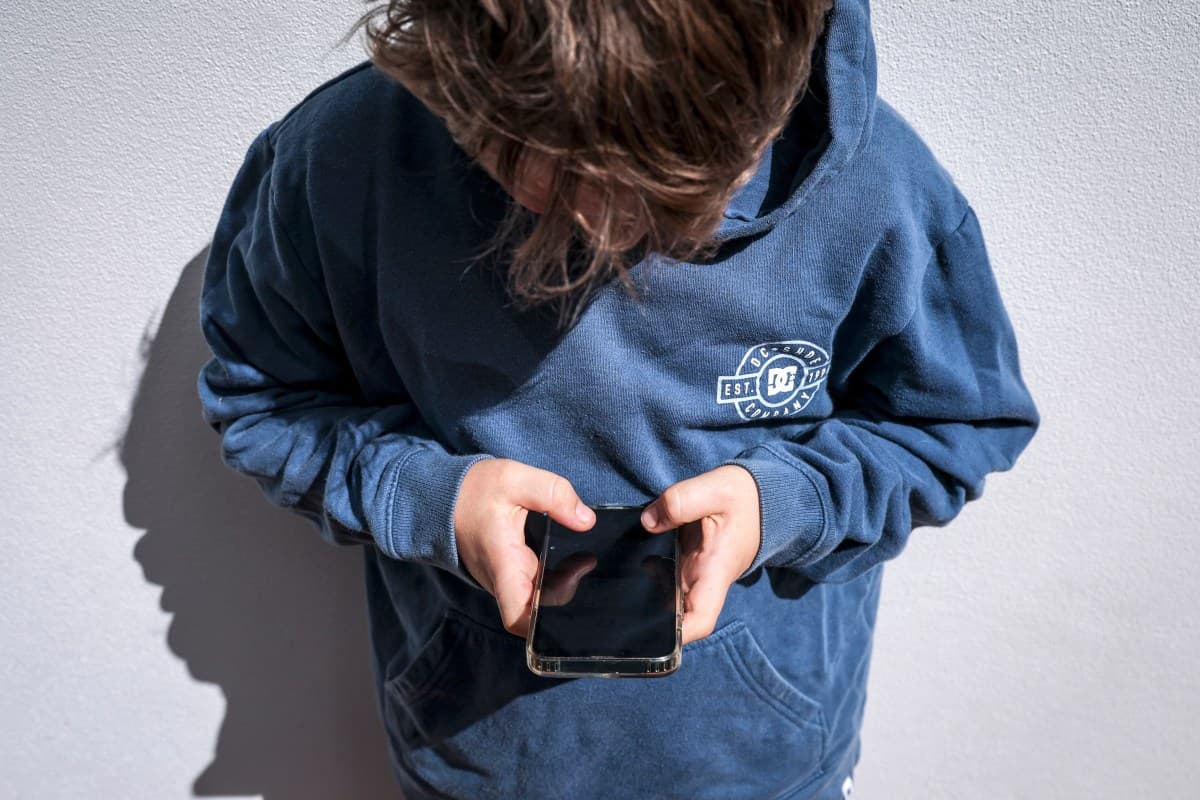
The United Kingdom is set to ban kids under 16 from using social media platforms like TikTok, Instagram, YouTube, Snapchat, Facebook, and X. This move aligns with a growing trend among countries aiming to protect young users from issues like cyberbullying, addiction, and online predators.
What the UK Is Proposing
The proposed ban in the UK is quite extensive. Instead of relying on age-rating systems where users self-report, these new rules will put the onus on the platforms themselves to verify ages. Companies like Meta (which owns Instagram), ByteDance (owner of TikTok), and Google (which runs YouTube) will have legal responsibilities to enforce this age limit.
The platforms listed in this proposal encompass most of the time teens spend online. Regulators are specifically targeting the sites with the most engagement from minors, particularly those that encourage addictive behavior through social feeds, likes, and comments.
Australia Got There First
The UK isn’t venturing into uncharted territory. Australia was the first to implement a strict social media ban for children in late 2025, setting the minimum age at 16. This law has pushed other governments to consider similar actions, effectively providing a template for others to follow.
When Australia passed its law, it sparked controversy. Critics claimed it was unenforceable and argued that age verification technology wasn’t yet reliable enough to support it. Supporters, however, believed the potential dangers were serious enough to warrant action, even if a perfect solution wasn’t available.
Countries Taking Action
While Australia and the UK are the most notable examples, they aren’t the only ones. According to TechCrunch, several countries are exploring or implementing similar restrictions. This movement stems from shared concerns about three main risks that young users encounter on social platforms:
- Cyberbullying: Harassment that follows kids home from school via their devices.
- Social media addiction: The compulsive need to check feeds designed to maximize screen time.
- Exposure to predators: Adults using these platforms to reach out to minors.
| Data Point | Detail |
|---|---|
| UK proposed minimum age | 16 years old |
| Platforms named in UK ban | TikTok, Instagram, YouTube, Snapchat, Facebook, X |
| First country to ban | Australia (late 2025) |
| Australia’s minimum age | 16 years old |
| Who bears enforcement responsibility | The platforms, not users or parents |
The Enforcement Challenge
One big question remains: how do you actually verify someone’s age online?
Current methods include requiring users to upload government IDs, using third-party age verification services, or having parents create verified accounts for their kids. Each option has its drawbacks. ID uploads raise privacy concerns, while third-party services can frustrate legitimate users. Parent-managed accounts place the burden on families who may struggle with complex settings.
Think of it like a nightclub’s entry policy. The law prohibits entry to anyone under 21, but the bouncer can only check what’s presented to them. If someone has a convincing fake ID or if the bouncer isn’t diligent, the rule fails. Online age verification faces similar challenges, but on a much larger scale.
What This Means
If you’re a parent in the UK, this law could shift some of the daily struggle over screen time from you to the platforms. Instead of arguing with your child about Instagram, the app might not let them in without verified proof of age.
If you’re a teenager in one of the affected countries, you may lose access to major social platforms or have to navigate a parent-managed account. That would change how you connect with friends.
For the platforms, this creates both a compliance challenge and a business issue. Teenagers are a key demographic for advertisers looking to reach the next generation. Losing that audience in large markets like the UK and Australia could hit their revenue hard.
These laws also signal the end of the hands-off era where platforms self-regulated around minors. More countries are likely to follow the UK and Australia if these early implementations yield positive results.
Community Reactions
“As a parent I’m torn. I don’t love the idea of the government deciding what my kid can access, but also the platforms have had years to fix this themselves and did nothing.”
“They banned kids from YouTube? YouTube is how I learned to code, how I learned music theory, how I learned basically everything school didn’t teach me. This feels like throwing the baby out with the bathwater.”
Sources
- TechCrunch: These are the countries moving to ban social media for children
- TechCrunch: UK unveils sweeping social media ban for users under 16
What To Watch
- UK legislative timeline: Keep an eye on the bill’s progress through Parliament and whether they add or strengthen age verification requirements in amendments.
- Australia’s early results: Since Australia’s ban passed in late 2025, we should start seeing data on compliance and enforcement outcomes in mid-to-late 2026, providing a real-world test case.
- Platform responses: Meta, Google, and ByteDance haven’t publicly outlined their compliance strategies yet. Their proposed solutions or legal challenges will impact how enforceable these bans become.
- Other countries: With the UK now taking action, expect announcements from other European nations and possibly Canada as governments observe how early adopters implement these changes.

Daniel Park
Daniel Park covers AI, cloud infrastructure, and enterprise software for Explosion.com. A former software engineer who transitioned to technology journalism 5 years ago, Daniel brings technical depth to his reporting on artificial intelligence, startup funding rounds, and the companies building the future of computing. He breaks down complex AI developments and business strategies into clear, actionable insights for readers who want to understand how technology is reshaping industries.


