
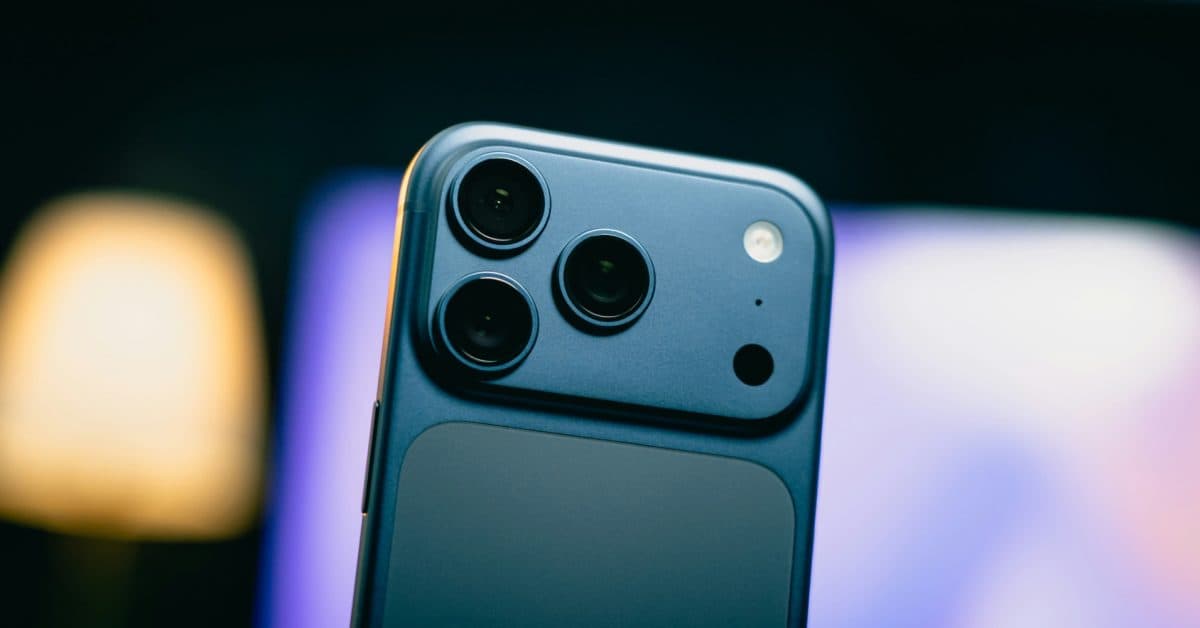
The iPhone 18 Pro is set to stick with the same aluminum alloy casing that debuted with the iPhone 17 Pro. This could lead to the same durability issues that users experienced with last year’s model, including paint peeling on the new color options.
A well-known leaker on Weibo, a Chinese social platform popular among Apple supply chain insiders, confirmed that Apple won’t be changing materials for the 18 Pro. While this consistency might seem safe, it comes with a caution: the new colors for the iPhone 18 Pro may face the same paint chipping and peeling problems some iPhone 17 Pro owners reported.
The Material Switch That Started This
To grasp the significance of this, a little background is helpful. Before the iPhone 17 Pro, Apple used titanium for its Pro-series casings, starting with the iPhone 15 Pro. Titanium is tough and resists scratches well, but it’s also pricey and heavy. With the iPhone 17 Pro, Apple moved to aluminum alloy, which is lighter and cheaper but needs a finish or anodized coating to achieve those premium colors users want.
That coating poses a problem. Aluminum alloy frames require surface treatments to maintain color, and those treatments can wear or chip during real-world use, especially around edges and corners where a phone typically gets the most wear and tear. Some iPhone 17 Pro users reported noticeable paint peeling after just a few months of regular use, an issue that wasn’t common with the titanium models.
What’s New on iPhone 18 Pro (Besides the Frame)
The casing is only part of the story. According to 9to5Mac’s camera report, the iPhone 18 Pro is likely to feature three exciting camera upgrades, though details are still emerging ahead of the phone’s anticipated fall 2026 announcement. Apple has a history of using the Pro tier to advance camera technology, so this makes sense.
New color options are also on the horizon, which is raising concerns within the leaker community. Launching fresh colors on a frame that already has known coating vulnerabilities could lead to a repeat of last year’s complaints, especially for buyers who choose to go without a case.
The Trade-Off Apple Is Making
Think of it like painting a wooden fence versus a metal one. Aluminum alloy allows Apple to shape the phone more flexibly and keep it light, just like wood is easier to work with than steel. However, just as a painted fence needs to withstand weather and daily wear, the finish on aluminum needs to hold up. Titanium, on the other hand, maintains its look more like bare stainless steel: durable by nature, not due to a coating.
Apple isn’t the only company making this trade-off. Many flagship Android manufacturers have shifted to similar materials for reasons of weight and cost. But Apple’s Pro pricing, starting above $1,000, sets high expectations for durability that paint peeling undermines.
| iPhone Pro Casing: At a Glance | |
|---|---|
| iPhone 15 Pro / 16 Pro material | Titanium alloy |
| iPhone 17 Pro material | Aluminum alloy |
| iPhone 18 Pro expected material | Aluminum alloy (same as 17 Pro) |
| Key durability concern | Paint/coating peeling on colored finishes |
| Source | Weibo leaker, corroborated by 9to5Mac and MacRumors |
Community Reactions
“My 17 Pro edge is already showing wear at the corners and it’s barely 8 months old. Coming from a 15 Pro, the titanium felt completely bulletproof. Big step back in finish durability.”
“They charge $1,199, and the paint peels like a $40 budget phone. A case fixes it, but then what’s the point of the pretty colors?”
What This Means for You
If you’re thinking about buying an iPhone 18 Pro and want to show off the color without a case, keep this in mind. Based on the iPhone 17 Pro experience, the aluminum alloy frame holds up structurally. However, the color finish on the edges may wear over time, especially with lighter or more vibrant colors.
Realistically, using a slim case completely eliminates the concern. But then, you miss out on Apple’s design efforts for new colors. If you prefer a “naked phone,” you might want to budget for potential cosmetic wear or wait for independent durability reviews after the phone launches.
Not every iPhone 17 Pro owner has faced this issue. Usage habits differ, and some users report no peeling at all. How you carry your phone, whether it shares pocket space with keys or coins, can make a big difference.
For more details on the expected camera changes coming to the 18 Pro, check out 9to5Mac’s full breakdown. MacRumors has also discussed the leaker’s specific durability warning in greater depth.
What To Watch
- Fall 2026: Apple’s annual iPhone event is expected in September, where the iPhone 18 Pro will be officially announced and design details confirmed.
- Pre-launch leaks: Physical case molds and dummy units usually appear 6-8 weeks before the announcement, giving a clearer look at the new color options and frame design.
- Post-launch durability tests: Sites like JerryRigEverything conduct scratch and bend tests on new iPhones soon after release, which will quickly reveal whether the coating holds up better than last year’s model.
- Apple’s response: If paint-peeling complaints resurface significantly after launch, watch to see if Apple acknowledges the issue through its support channels or quietly changes its coating process in later production runs.

Daniel Park
Daniel Park covers AI, cloud infrastructure, and enterprise software for Explosion.com. A former software engineer who transitioned to technology journalism 5 years ago, Daniel brings technical depth to his reporting on artificial intelligence, startup funding rounds, and the companies building the future of computing. He breaks down complex AI developments and business strategies into clear, actionable insights for readers who want to understand how technology is reshaping industries.


