
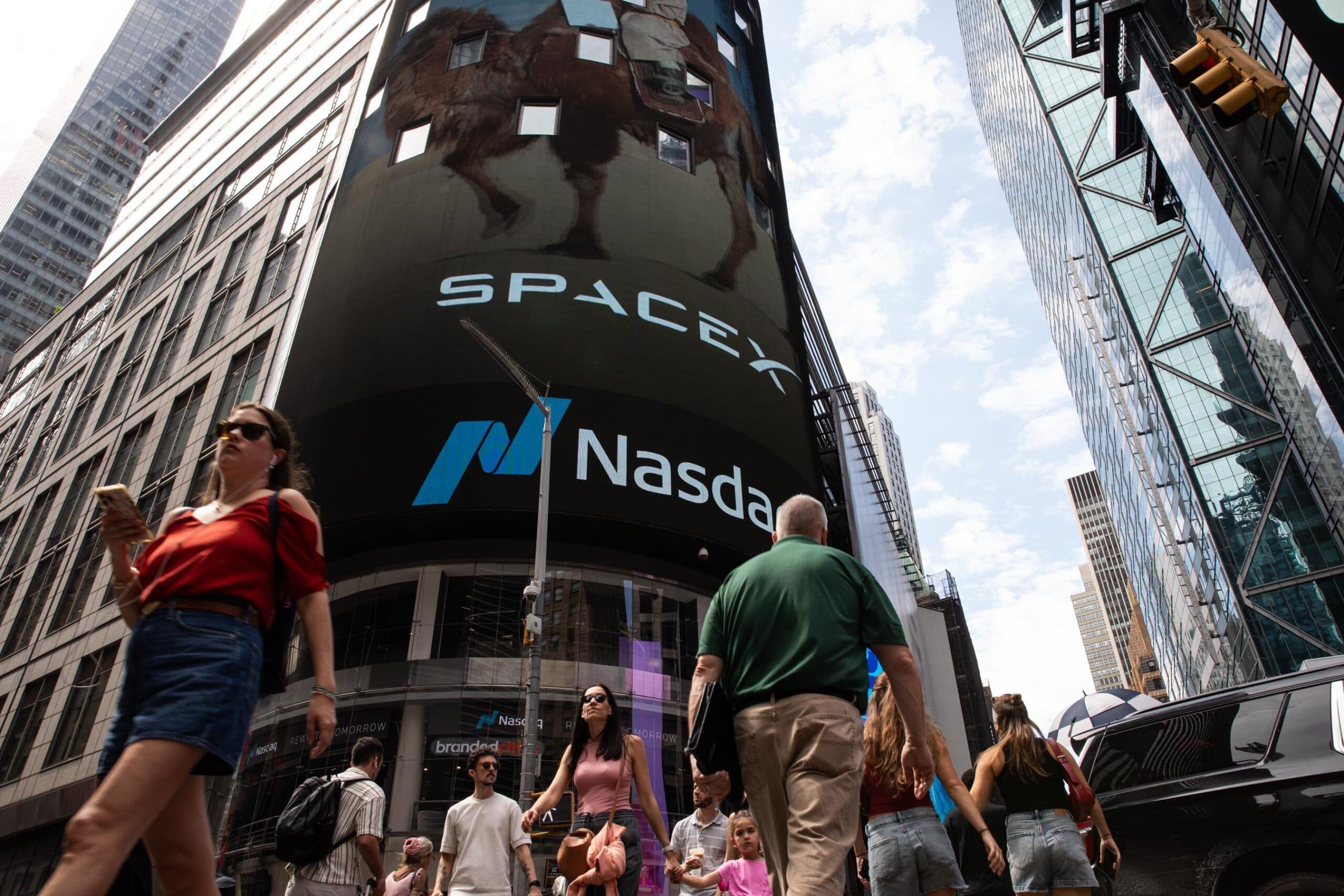
SpaceX is going public on Friday, giving everyday investors their first chance to buy shares in Elon Musk’s combined rocket, AI, and social media empire. This offering is raising enough money to potentially make Musk the world’s first trillionaire.
This is one of the most awaited stock market debuts in years. Understanding what’s actually inside this company is crucial before deciding whether to invest.
What SpaceX Actually Is Now
Many people view SpaceX as merely a rocket company, and it did start that way. However, the entity going public is much more extensive. The S-1, which is the official registration document a company files with regulators before an IPO, reveals a business that includes commercial rocket launches, the Starlink satellite internet service, artificial intelligence operations, and social media assets.
Think of it less like investing in NASA’s private cousin and more like buying into a conglomerate. This company handles everything from launching satellites into orbit to providing internet infrastructure for millions of homes and businesses worldwide.
The Trillionaire Math
The IPO valuation figures being discussed could push Musk’s personal net worth past $1 trillion on paper, surpassing the entire annual economic output of countries like Switzerland or Saudi Arabia. That “on paper” qualifier is important. Stock valuations fluctuate daily, and paper wealth doesn’t equate to cash in a bank account. Still, the scale is genuinely historic. No individual has ever reached that number before.
What’s Inside the S-1
TechCrunch has been following the details from SpaceX’s S-1 filing, which serves as the company’s official tell-all document required by securities law. Investors are particularly interested in the financial performance of Starlink, which has become a significant revenue driver. They’re also looking at the cost structure of rocket manufacturing and how the AI and social components fit into the overall business.
The pre-IPO deal activity has also been noteworthy. Institutional investors, which include large funds and financial firms, have positioned themselves before shares become available to the general public.
| Detail | Figure |
|---|---|
| IPO Date | Friday, June 2026 |
| Business segments | Rockets, Starlink internet, AI, social media |
| Musk projected net worth (paper) | $1 trillion+ (first individual ever) |
| Public access | First time retail investors can buy SpaceX shares |
What This Means
For many, the most direct link to SpaceX isn’t the rockets — it’s Starlink. If you live in a rural area and use Starlink for home internet, or know someone who does, you’re already a customer of the company now trading on public markets. The IPO doesn’t change your service, but it means the company now answers to public shareholders in a way it never did as a private firm.
If you’re considering investing, here’s the reality: SpaceX has real revenue and real customers, which puts it ahead of many companies that have gone public recently. However, it operates in capital-intensive industries where single launches can cost hundreds of millions of dollars. Its valuation at IPO will likely factor in a lot of optimistic future growth. That’s not a reason to avoid or buy it — it’s just the context you need for your decision.
A successful SpaceX IPO at this scale would signal that investors are still interested in large, complex tech-adjacent companies. That could pave the way for other long-delayed private company IPOs waiting for the right market conditions.
Community Reactions
“The fact that Starlink is bundled in here is what makes this interesting to me. That’s an actual subscription business with millions of paying customers. The rocket stuff is cool but Starlink is the recurring revenue story.”
“I’ve been waiting years to buy SpaceX stock. Now that I actually can, I’m going to wait and see what the first few weeks of trading look like. The hype is real but so is the first-day volatility risk.”
What To Watch
- Opening day trading (Friday): Watch the opening price versus the IPO price to gauge immediate market demand. Large first-day pops can mean early investors profit while later buyers overpay.
- First earnings report: The first quarterly earnings call after the IPO will be significant. SpaceX will need to publicly answer detailed financial questions for the first time. That’s when we’ll learn more about the actual health of each business segment.
- Starlink subscriber numbers: If the S-1 includes subscriber counts and growth rates for Starlink, those figures will be closely monitored. They’re the clearest indicator of whether the company’s consumer business is scaling as expected.
- Regulatory attention: A company of this size and scope, covering communications infrastructure and space operations, will draw ongoing scrutiny from the FCC and SEC. Keep an eye out for any filings or inquiries in the months after the debut.
For full ongoing coverage, check out The Verge’s SpaceX IPO news hub and TechCrunch’s complete IPO breakdown, which includes an in-depth look at the S-1 filing.

Ava Mitchell
Ava Mitchell is a digital culture journalist at Explosion.com covering social media platforms, streaming services, and the creator economy. With 4 years reporting on TikTok, Instagram, YouTube, and the apps that shape daily life, Ava specializes in explaining platform policy changes and their impact on everyday users. She previously managed social media strategy for a tech startup, giving her firsthand experience with the platforms she now covers.


