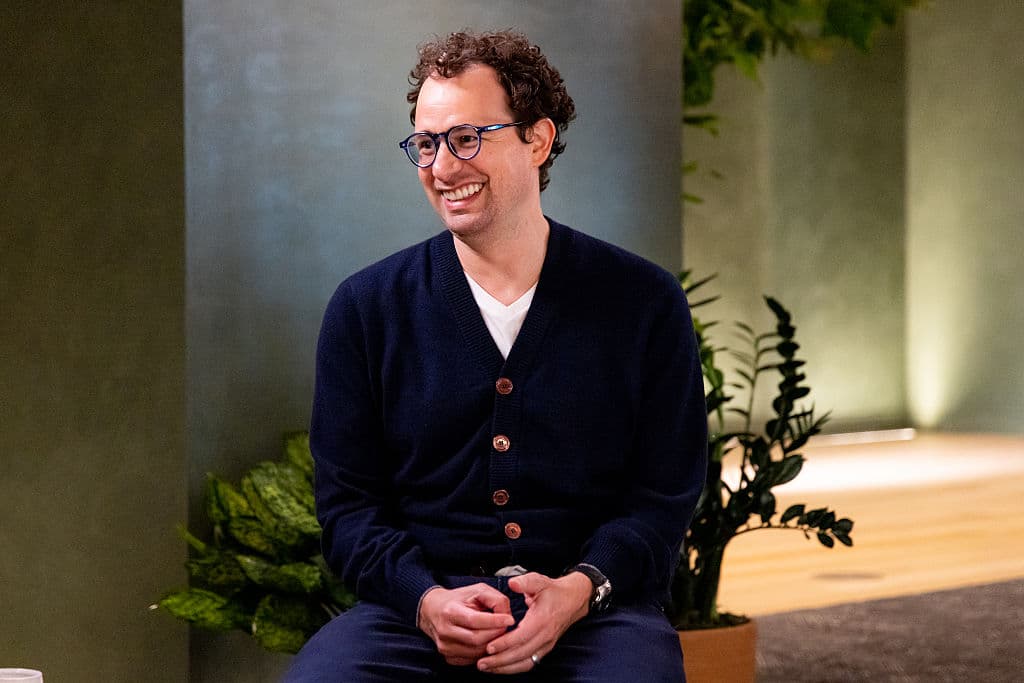
Dario Amodei, the CEO of Anthropic, recently published an essay arguing that AI capabilities are still growing rapidly. However, research from within his own company paints a more complex picture.
What Amodei Is Claiming
In his latest essay, Amodei contended that AI progress remains at a fast pace, with growth in AI capabilities remaining exponential. This means it keeps doubling at a fairly consistent rate instead of leveling off. Such a strong assertion grabs attention, especially from the leader of one of the most well-funded AI labs globally.
Amodei has consistently expressed optimism about AI, and his perspective carries weight. When a CEO like him claims the technology is still on a steep upward trajectory, investors pay attention, policymakers consider the implications, and the public adjusts its expectations about the future.
What Anthropic’s Own Research Suggests
Here’s where the tension lies: Anthropic’s internal research, reflected in the performance and benchmarks of its Claude models, suggests something different. Claude Mythos, which focuses on model scaling, shows that improvement rates aren’t purely exponential. You can’t just keep adding more computing power and data to a model and expect the same percentage increase in intelligence each time.
This issue is often referred to as the “scaling wall” problem. Think of it like training for a marathon. In the beginning, your running times improve dramatically. But as you approach your physical limits, it becomes tougher to shave off seconds. The effort increases while the gains decrease.
Anthropic isn’t the only one noticing these trends. Many researchers in the industry have observed that benchmark scores on tests like MMLU (a standardized test for language models) have begun to plateau. Even as models achieve near-perfect performance, it becomes challenging to measure real-world improvements.
Why Both Amodei and the Research Team Might Be Partially Right
Amodei likely refers to the broader ecosystem: investments in computing, the number of tokens (text chunks a model processes) used in training, research output, and commercial applications. By these standards, growth is indeed accelerating. Anthropic raised $2.75 billion in 2024 alone. The volume of AI applications entering the market isn’t slowing down.
However, improvements in raw capabilities of foundation models, which power products like Claude, seem to be hitting tougher limits. Transitioning from a mediocre model to a good one is quite manageable. But moving from a good model to a truly transformative one requires solving problems that more money alone can’t address.
Why This Matters to Amodei Personally
There’s also an organizational aspect to consider. A TechCrunch report noted that Amodei currently has just one direct report, which is unusual for a CEO at a company of Anthropic’s scale. This structure can centralize strategic vision in ways that might not always reflect the insights from research teams.
| Anthropic: By The Numbers | |
|---|---|
| Founded | 2021 |
| Headquarters | San Francisco, CA |
| CEO | Dario Amodei |
| 2024 Funding Raised | $2.75 billion |
| Primary Model | Claude (multiple versions) |
| CEO’s Direct Reports | 1 (per TechCrunch, June 2026) |
What This Means
If you regularly use AI tools like Claude, ChatGPT, or Gemini, this discussion impacts your expectations. If Amodei is correct and growth remains exponential, you might find that the AI assistant you use today seems outdated in just two or three years. But if the research signals hold true, improvements will come more slowly, and the “AI revolution” may evolve into a steadier progression.
For businesses creating products based on AI APIs (application programming interfaces, which connect apps to AI models), this difference is crucial for planning. Relying on exponential capability gains that don’t materialize could lead to costly mistakes.
For everyday users, the takeaway is straightforward: be cautious about sweeping claims regarding AI growth timelines, even from company leaders. The disparity between what a CEO writes and what a research team measures internally deserves your attention.
Community Reactions
“The CEO is selling a narrative for fundraising. The researchers are doing science. These are different jobs.”
u/ml_pragmatist on Reddit
“I’ve been using Claude since early 2024, and the improvement from then to now is real. But it feels like the progress is shrinking with each release. Diminishing returns are showing up in my daily use.”
YouTube commenter on Anthropic’s official channel
What To Watch
- Anthropic’s next model release: The upcoming major version of Claude will be an important indicator. If benchmark improvements continue to shrink, the research team’s assessment looks more accurate.
- Amodei’s essay response: Public essays often prompt formal rebuttals from the research community. Keep an eye out for responses from AI researchers in the coming weeks.
- Compute investment announcements: If Anthropic or competitors reveal another wave of significant infrastructure spending, it signals the industry is banking on the exponential growth narrative, regardless of benchmark results.
Sources: TechCrunch: Anthropic’s Dario Amodei has just one direct report | Mashable: Anthropic CEO says AI growth is exponential. Anthropic research says otherwise.

Ava Mitchell
Ava Mitchell is a digital culture journalist at Explosion.com covering social media platforms, streaming services, and the creator economy. With 4 years reporting on TikTok, Instagram, YouTube, and the apps that shape daily life, Ava specializes in explaining platform policy changes and their impact on everyday users. She previously managed social media strategy for a tech startup, giving her firsthand experience with the platforms she now covers.