Heating and cooling costs are easy to underestimate because many of them do not arrive as one large, obvious bill. Instead, HVAC spending usually builds over time through tune-ups, filter replacements, repair calls, part failures, and efficiency-related upgrades. Keeping track of those expenses can make it easier to plan ahead, avoid surprise breakdowns, and make informed decisions about whether to repair or replace aging equipment. A clear record also helps homeowners understand where money is going and which costs are helping the system run more reliably.
Routine Maintenance Visits
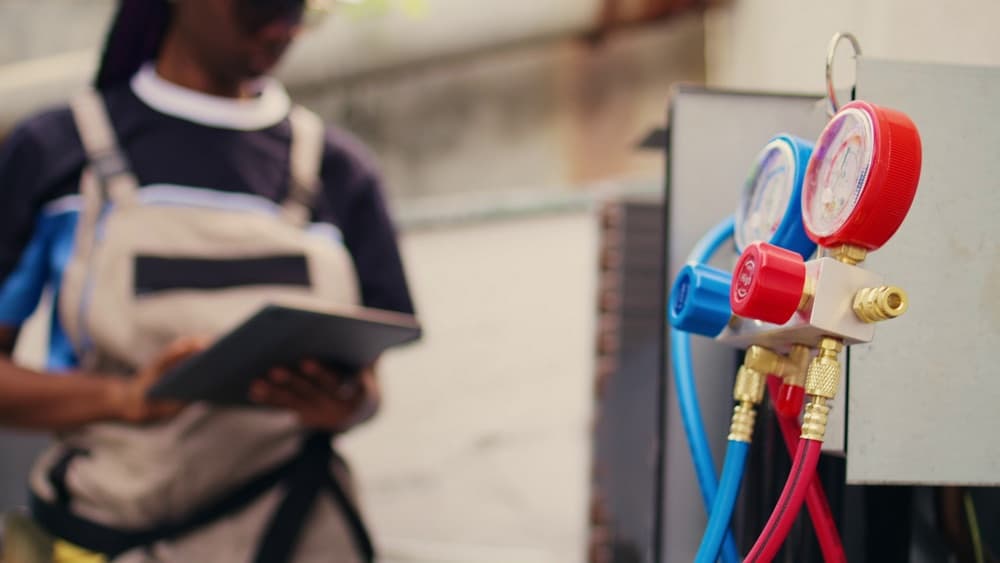
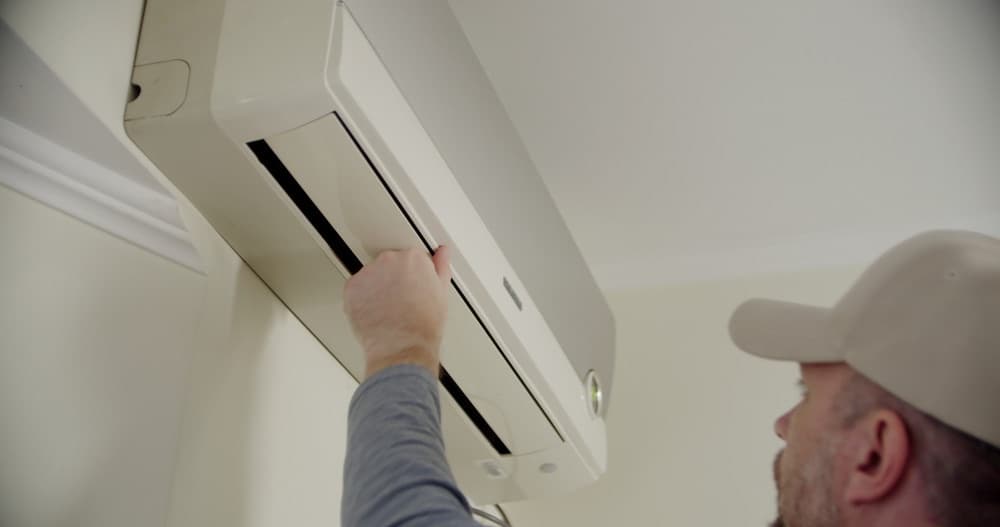
One of the most important HVAC expenses to track is the cost of regular maintenance. Seasonal inspections and tune-ups may seem like optional appointments when the system appears to be working fine, but they often play a major role in long-term performance. These visits can help catch worn components, airflow issues, and early warning signs before they turn into larger repair bills. Logging the cost of each appointment gives you a clearer picture of what preventive care is saving you over time.
Regular maintenance can also affect how long an air conditioner stays in service. According to Webinar Care, air conditioners that receive ongoing HVAC maintenance tend to last 40% longer than those that do not. That makes maintenance more than a short-term operating cost. It is also part of protecting the value of the equipment you already own and reducing the chance of facing a major replacement sooner than expected.
Filter Replacements and Small Recurring Costs
Air filters are another expense that deserves closer attention because they are inexpensive individually but recurring throughout the year. It is easy to forget how often they need to be replaced, especially in homes with pets, heavy HVAC use, or indoor air quality concerns. Tracking filter purchases helps homeowners build a more realistic annual budget instead of treating them as occasional throwaway costs. Small recurring expenses matter because they support airflow, efficiency, and strain reduction across the entire system.
According to Field Insight, HVAC filters should generally be changed every two to three months to support proper system function. Replacing filters on schedule may not feel like a major budget item, but skipping them can contribute to performance issues that cost more later. A clogged filter can force the system to work harder than necessary, which may increase wear on parts and reduce comfort inside the home. Writing down replacement dates and costs can help you stay consistent and avoid avoidable service problems.
Repair Bills and Emergency Service Calls
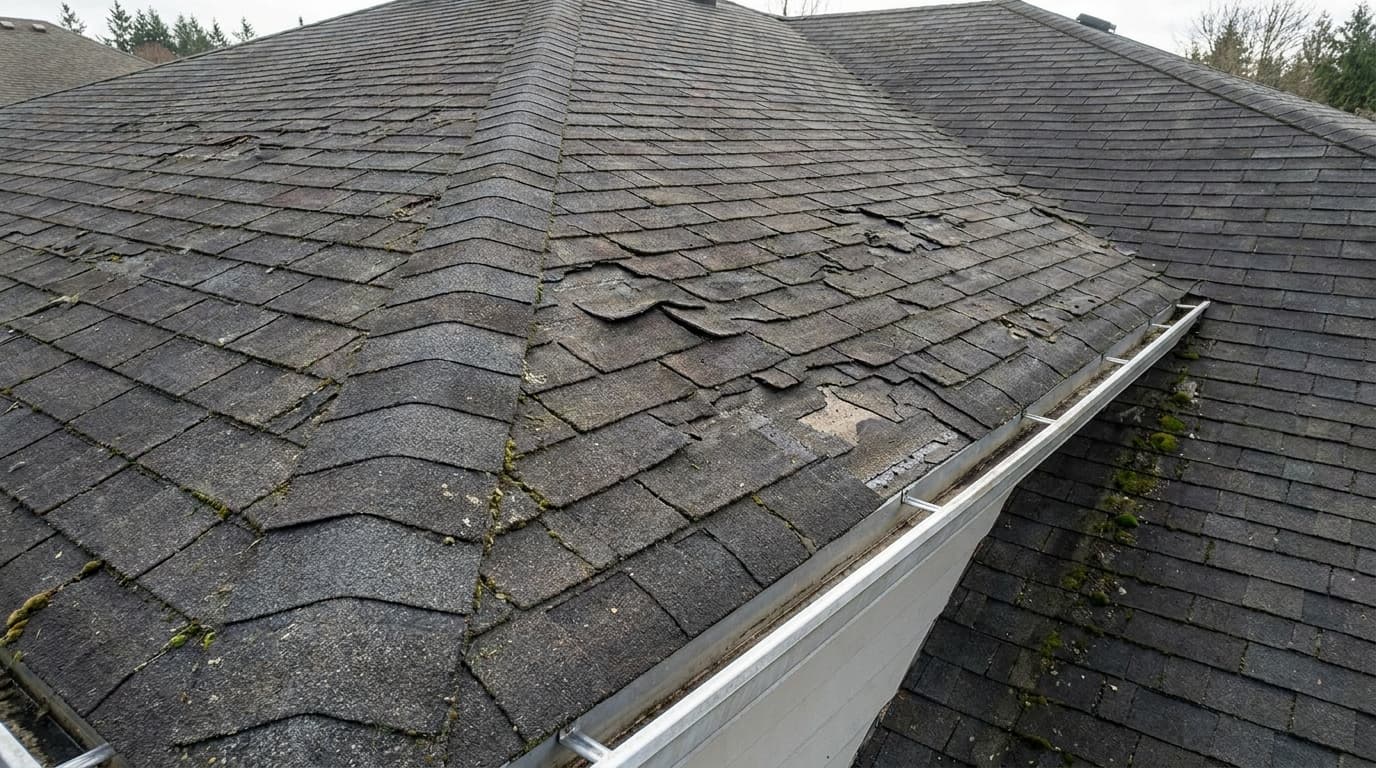
Unexpected repair costs are often the HVAC expenses people remember most because they can arrive without much warning. A failing capacitor, blower motor issue, refrigerant leak, or thermostat problem can quickly turn into a same-day service call during very hot or very cold weather. These bills should be tracked carefully, including the date, the issue, the repair performed, and the amount paid. Looking back at that history can help you spot patterns and decide whether repeated repairs are becoming too expensive.
Emergency service fees, after-hours labor rates, and replacement parts can push a repair bill well above what many homeowners expect. Even when a system is fixed successfully, the total cost may include diagnostics, labor, and temporary comfort measures such as portable units or rushed scheduling. Keeping a full record of those expenses makes it easier to compare the cost of continued repairs against the cost of a future replacement. That kind of budgeting perspective can help you avoid making a rushed decision during the next breakdown.
Energy Efficiency Upgrades and Long-Term Planning
Some HVAC-related expenses are not tied to breakdowns at all. Smart thermostats, insulation improvements, duct sealing, or upgraded equipment can represent planned spending aimed at lowering operating costs and improving performance. These investments are worth tracking separately from repair expenses so you can evaluate whether they are reducing utility strain or improving comfort over time. Organized records can also make it easier to prioritize which upgrades should happen first.
Broader market trends also show why long-term HVAC budgeting matters. According to Grand View Research, the U.S. HVAC systems market is expected to grow at a 7.4% compound annual growth rate and reach $49.7 billion by 2030. That projected growth reflects continued demand for HVAC equipment and services, which is another reason to keep a close eye on your own spending. When you understand your maintenance, repair, and upgrade history, you are in a better position to plan for future HVAC costs instead of reacting to them one bill at a time.

Nick Guli
Nick Guli is the founder and editor-in-chief of Explosion.com, which he launched in February 2012. With over a decade of experience in digital publishing, Nick oversees editorial direction across entertainment, gaming, technology, and lifestyle content. He is an avid gamer and movie enthusiast who brings a critical eye to coverage of industry trends, game reviews, and entertainment news.