Every 22 seconds, one person in the US reports their identity has been stolen. And cybercriminals exploit 9 million identities, including those of the deceased, according to statistics shared on Fortunly. Your online identity (digital ID) is a valuable asset. It’s the key you need to unlock interactions, whether it’s commenting on a Facebook or TikTok video, completing a financial transaction via a mobile app, or sharing work files on business apps. If found in the wrong hands, aka cybercriminals, however, your online ID can be used for impersonation, financial fraud, and company espionage. So, this identity, which includes your full name, email addresses, phone number, bank details, and physical address, needs protection. But how do you protect your online ID in an era where AI-assisted attacks and connected devices reveal your identity effortlessly? Safeguarding your personal information in today’s hyper-connected world goes beyond strong passwords and browsing on secure websites. It entails layering multiple security practices.
Know How to Spot Modern Threats
With artificial intelligence and machine learning, hackers generate highly personalized phishing attacks by scraping your data from social media, public archives, or LinkedIn. Don’t expect a phishing or smishing attack to have obvious grammar errors. A few seconds of a leaked voicemail or video call between you and a friend or family member can be used for deepfake cloning. To stay safe online, know how to spot these attacks. Learn the red flags, such as requests for credentials or personal info on your credit card. Also, verify domains or contacts before you click on links or share information. If someone calls claiming to be a relative or your employer, for instance, use the contact details on your phone to call them. Doing so helps prevent AI-enabled phishing and voice cloning, which attackers rely on to trick individuals into sharing login details or wiring business funds by impersonating an employer.
Minimize Your Digital Footprint
Ever asked yourself where the data you share when filling out online forms or opening new accounts goes? It’s scattered on the internet where anyone can find it using PeopleFinders sites. While having tons of your personal details floating everywhere online seems harmless, the easier it is for cyber attackers to collect it, target and impersonate or scam you. So, review your digital footprint regularly. Google search your name and check for recent email breaches using free and paid services like DeleteMe Scanner, Brightside, and Have I Been Pwned. Then remove high-risk exposures. For example, change leaked passwords that you’re still using to access your accounts.
Next, minimize the personal details you share on the internet. Your photos, posts, profiles, and comments give social engineers a detailed map of where you work, your home, travel habits, hobbies, and family relationships. They then use this data to customize scams. To safeguard your identity, use privacy setting controls to restrict visibility of addresses, date of birth, and phone numbers to a customized list of close friends only. Share vacation photos after returning home, and don’t share pet names, which often act as password recovery answers.
Prioritize Identity Theft Monitoring
Reducing the amount of personal identifiable information alone doesn’t stop criminals from trying to steal your identity for fraudulent activities. You must monitor your identity continuously to prevent data exploitation, credit card fraud, and business email compromise or BEC. Use automated or ID theft protection services to scan the dark web for leaked social security numbers and passwords. And set alerts for leaks so you can act promptly before hackers exploit your data.
Most identity theft prevention companies use advanced cybersecurity services like managed SOCs or security operation centers that monitor personal and business networks 24/7. They detect anomalies like attempted impersonation, unauthorized domain registrations, and fake vendor accounts, which are precursors of executive phishing attempts and BEC. And spotting them early helps reinforce security practices, including business email protection. Part of your identity theft monitoring practices should involve reviewing bank and credit card details. Be sure to set alerts for excessive or unusual location spending and unauthorized loans. And freeze compromised credit cards to safeguard your identity.
Use Passkeys Instead of Passwords
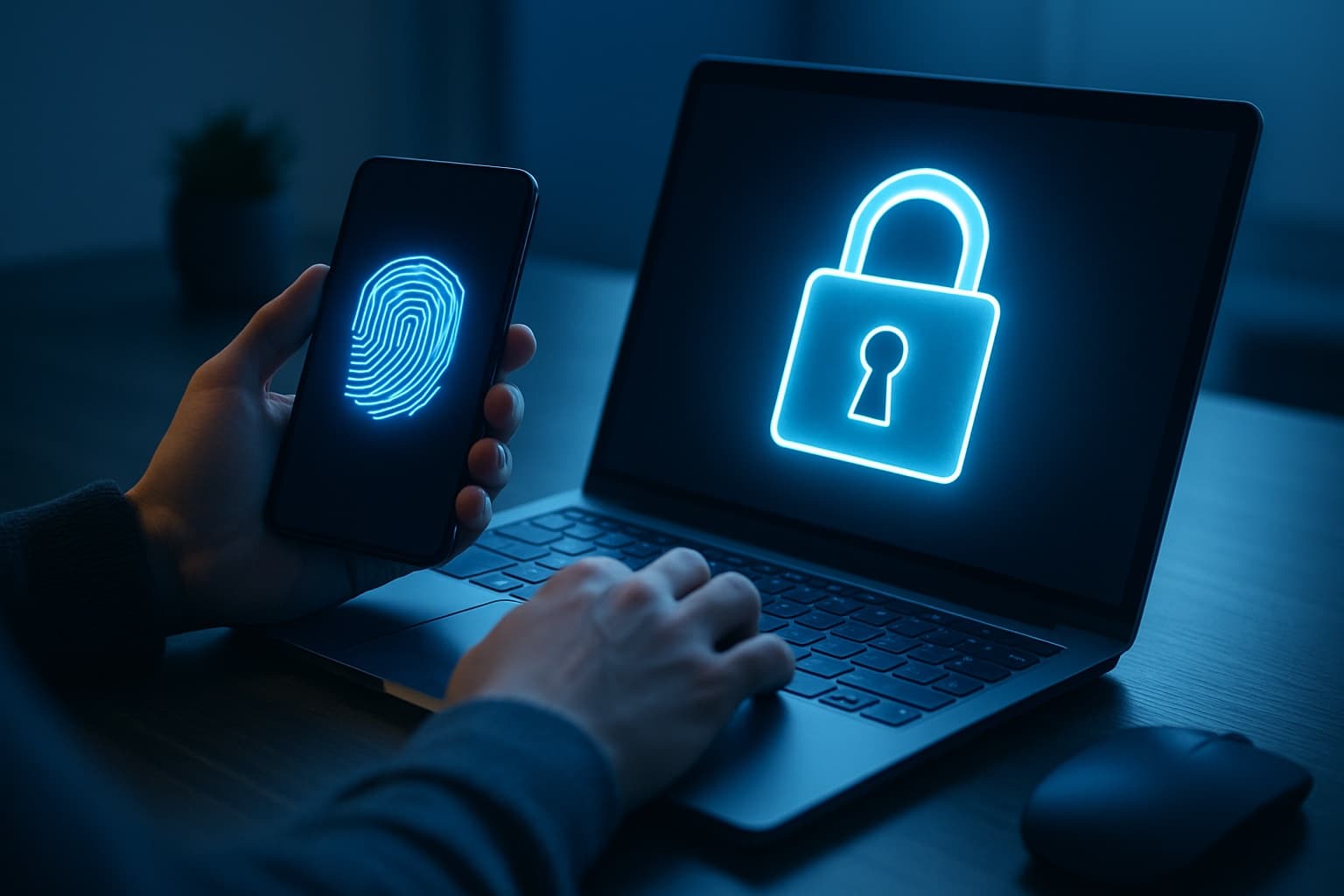
A report by Cybernews reveals that 16 billion logins were exposed in a data breach in 2025. The question is; how do you create an extra layer of protection without overly relying on passwords? Use passkeys. Hackers can’t guess, intercept, steal or even retrieve passkey info using phishing because they only work on the legitimate apps or websites they were designed for. Plus, a passkey relies on public-key cryptography stored on your phone, laptop, or hardware security key. That means anytime you log in to your accounts, the device proves it has the passkey through fingerprint or face scan and the gadget’s PIN.
Protecting your online or digital identity isn’t about creating hard-to-guess passwords and enabling multi-factor authentication or MFA. It begins with understanding modern cyber risks and how to react to them responsibly to safeguard your data. You need to monitor your identity consistently, replace passwords with passkeys, and don’t overshare details like vacation plans, exact location or address, children’s names, and pet names online.

Nick Guli
Nick Guli is the founder and editor-in-chief of Explosion.com, which he launched in February 2012. With over a decade of experience in digital publishing, Nick oversees editorial direction across entertainment, gaming, technology, and lifestyle content. He is an avid gamer and movie enthusiast who brings a critical eye to coverage of industry trends, game reviews, and entertainment news.