Apple’s throwing a lifeline to older iPhone users: iOS 27, announced at WWDC 2026, won’t drop support for any iPhones. This means that every device running iOS 26 can also handle iOS 27. The iPad story isn’t as fortunate, with several older models losing support, but iPhone users can breathe easy with this news, especially if they’re clinging to aging devices.
No iPhones Left Behind
It’s rare for a major iOS release to keep the same list of supported devices, particularly for iPhones. Usually, Apple cuts one or two older models each year as new software demands more power. This time, if your iPhone ran iOS 26, you’re good to go for iOS 27. This is great news for anyone using an iPhone XS, iPhone XR, or even the first-generation iPhone SE (third generation), all of which are now a few years old.
Think of it like a landlord deciding not to raise the rent this year. Your older iPhones get to stay without any new demands.
iPads Aren’t as Lucky
The iPad situation is quite different. iPadOS 27 will drop support for a range of older models, including certain iPad Pro, iPad Air, and iPad mini devices. According to MacRumors, this represents a larger cut than last year’s iPadOS 26. Apple hasn’t been consistent about which iPad generations get cut, so anyone with an iPad from the early to mid-2020s should check their specific model against Apple’s compatibility list before assuming they’re still in the clear.
The likely reason behind this difference: iPhones share a more consistent chip evolution, while iPads have a wider variety of processors across Pro, Air, mini, and standard lines. Some older iPad chips just can’t keep up with newer software demands.
What’s Actually New in iOS 27
Aside from compatibility updates, iOS 27 introduces several exciting changes for users:
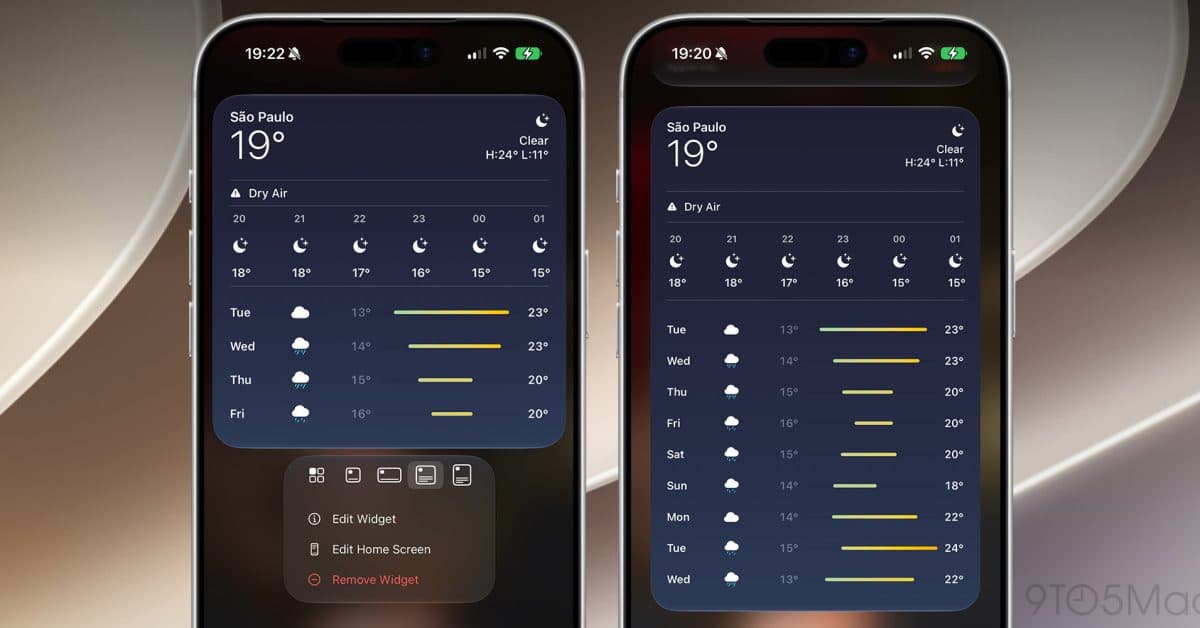
Extra-Large Widgets
Apple is adding a new extra-large widget size for iPhone, allowing you to display more information on your home screen. This size was previously reserved for iPads. 9to5Mac reports that this new widget will occupy a significant part of the screen, making it perfect for calendars, weather updates, or fitness summaries.
Siri Mode in the Camera App
The Camera app features a new “Siri” mode that you can swipe to, positioned alongside existing photo, video, and other modes. As per MacRumors, this lets you use Siri directly within the camera interface. You’ll be able to identify objects in the frame or trigger AI-assisted features without leaving the app.
Automatic Password Changes
The Passwords app, which Apple introduced in iOS 18, can now automatically update your passwords when a breach is detected. Instead of just notifying you that a password has been compromised, iOS 27 can visit the relevant website and change the credential without any manual effort on your part. This is a big step up from simply getting a notification that you might ignore.
Redesigned App Icons and AirPods Settings
Apple has revamped its app icon designs again, just a year after the major iOS 26 refresh. These changes feel more like an evolution rather than a complete overhaul. The settings for AirPods have also received a new interface, bringing together controls that were previously scattered across various menus.
| iOS 27 / iPadOS 27 — By The Numbers | |
|---|---|
| iPhones dropped from support | 0 |
| iPad lines affected by cuts | iPad Pro, iPad Air, iPad mini (select older models) |
| New widget size added to iPhone | Extra-large (previously iPad-only) |
| New Camera app modes | 1 (Siri mode) |
| Announced at | WWDC 2026, June 8, 2026 |
| Expected public release | Fall 2026 |
What This Means for You
If you have an iPhone, you can relax. Regardless of how old your device is (as long as it’s within iOS 26’s support range), you’ll receive iOS 27 this fall. That’s quite rare, meaning you won’t have to upgrade just to keep getting updates for security and new features.
If you own an iPad, check your model number now. Go to Settings, tap General, then About, and match your model against Apple’s compatibility page. If your iPad is on the cut list, it will stop receiving major software updates after iPadOS 26, though Apple usually provides security patches for an extra year or two after a device loses OS support.
The automatic password-changing feature in the Passwords app is probably the most practical addition for most people. Data breaches happen all the time, and many folks don’t act on the alerts they receive. Automating this process removes a significant hurdle.
What People Are Saying
“No iPhones dropped is huge. My XS is still kicking and I was dreading having to upgrade this year just to keep getting updates.”
“The auto password change feature is the one I actually care about. I have like 200 saved passwords and every time there’s a breach notification I just close it and forget.”
What To Watch
- Apple’s official compatibility list: Apple will publish the full list of supported devices on its website. iPad owners with older hardware should check this as soon as it’s available.
- Developer beta, now through summer 2026: Developers and public beta testers will be able to try iOS 27 before it rolls out to everyone. Expect bug reports and hidden feature discoveries to emerge over the coming weeks.
- Public release, fall 2026: Apple usually releases new iOS versions in September alongside new iPhone hardware. Keep an eye out for the exact date at Apple’s fall event.
- Feature availability by device: Some iOS 27 features, especially the AI-heavy ones, might be limited to newer chips (Apple Intelligence features have historically required at least an A17 Pro or M-series chip). The full breakdown of features by device will become clearer during the beta period.

Daniel Park
Daniel Park covers AI, cloud infrastructure, and enterprise software for Explosion.com. A former software engineer who transitioned to technology journalism 5 years ago, Daniel brings technical depth to his reporting on artificial intelligence, startup funding rounds, and the companies building the future of computing. He breaks down complex AI developments and business strategies into clear, actionable insights for readers who want to understand how technology is reshaping industries.