Live entertainment is thriving, but many people are looking for more than just something to watch. They want to be part of an experience. Crowd work in stand-up comedy is bigger than ever. There are mentalism, improv, and audience-driven corporate shows. Interactive live shows as a whole are gaining attention because they create moments that feel personal, spontaneous, and unique – in an age where we’re doubting what is real and what is AI, and craving authenticity.
Audiences want experiences
One reason interactive shows are growing is that audiences increasingly value participation. Event professionals report a growing focus on experiences that put attendees at the center of events (rather than treating them as passive observers). Cvent have reported that attendee-centric experiences can improve affinity for brands and boost purchases.
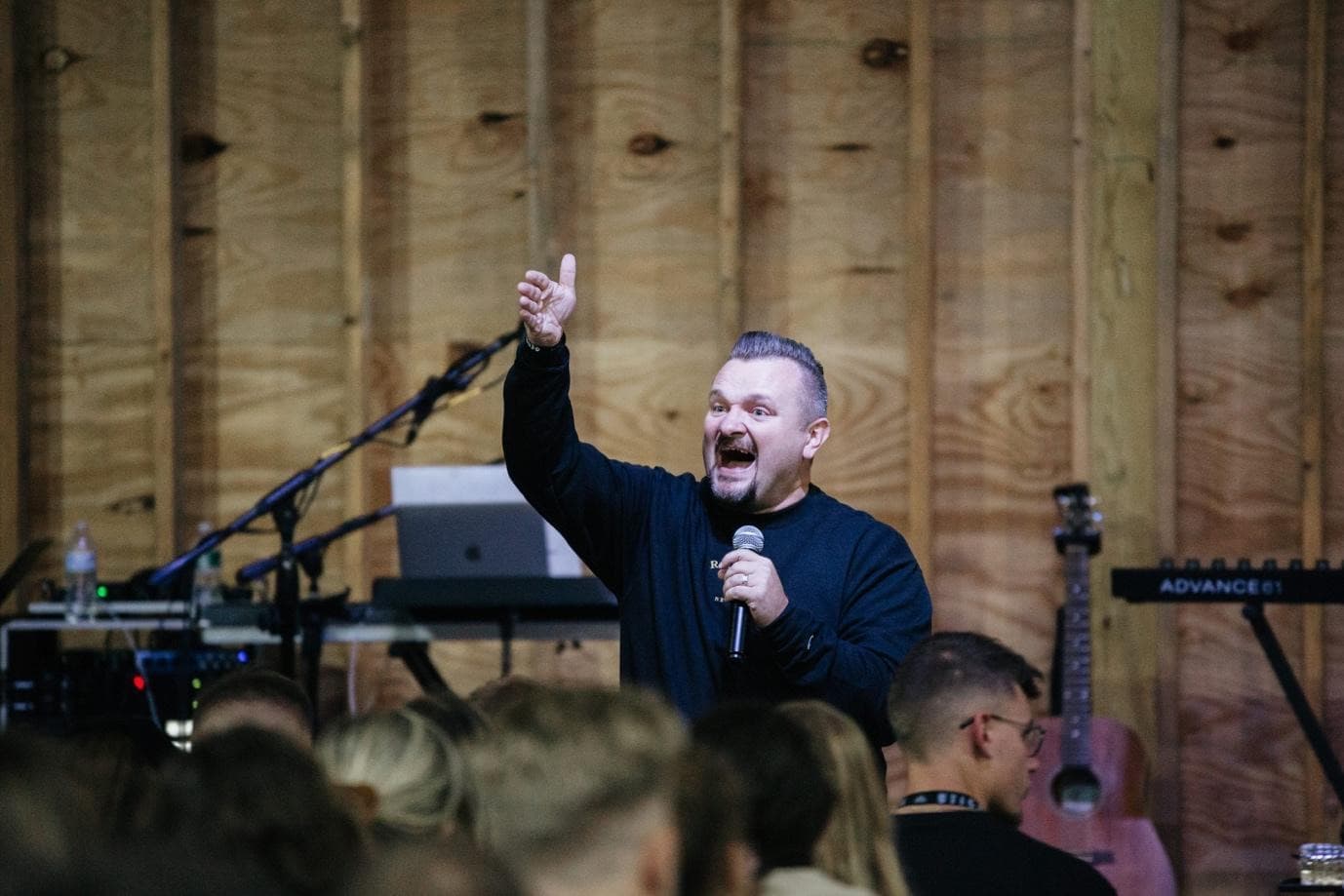
The trend works for performers who can actively involve a crowd. A mentalist calling volunteers on stage or a comedian building material from audience responses creates an evening that feels truly tailored to the people in the room.
Crowd work has become a big force in comedy
While comedians have always spoken with audience members, social media has helped turn crowd work into one of stand-up’s most visible formats. Stand up stars like Gianmarco Soresi (whose Thief of Joy special has been viewed 4.8 million times on YouTube) and Jeff Arcuri have built their careers in large part with viral crowd work clips. It is such a big part of their acts that titles of videos will often include “crowd work” – for example, Soresi’s “Best European Crowd Work”.
Many comedians have followed the crowd work trend because they showcase improvisational skill without revealing material from a full special. Then, when they have built a fanbase, their “core” material will still be fresh to anyone who has not seen a full show.
The appeal is simple: a prepared joke can be repeated and feel rehearsed (and often has been hundreds of times), but a conversation between a comedian and an audience member can only happen once. Those more unpredictable exchanges create the kind of “you had to be there” moments that people are seeking.
Personalization makes every show feel different
Whether it’s a comedian responding to audience members, an improv group using crowd suggestions, or a mentalist shaping their performance around volunteers, interactive shows create a sense of exclusivity: no two audiences receive exactly the same experience. Some of these performers, including emcees and mentalists, offer a private show for anyone looking for the same kind of personable interactions they’ve seen online and on TV.
People value live human connection
The popularity of interactive shows reflects the shift toward in-person experiences. In May, Live Nation reported that it had already sold more than 107 million concert tickets for the year, an 11% increase from 2025. The company attributed part of that demand to people’s desire for authentic human connection and experiences that can’t be replicated on a screen.
Interactive live shows amplify that feeling. The audience isn’t just watching an entertainer perform. They’re contributing to the outcome and making lasting memories.

Nick Guli
Nick Guli is the founder and editor-in-chief of Explosion.com, which he launched in February 2012. With over a decade of experience in digital publishing, Nick oversees editorial direction across entertainment, gaming, technology, and lifestyle content. He is an avid gamer and movie enthusiast who brings a critical eye to coverage of industry trends, game reviews, and entertainment news.