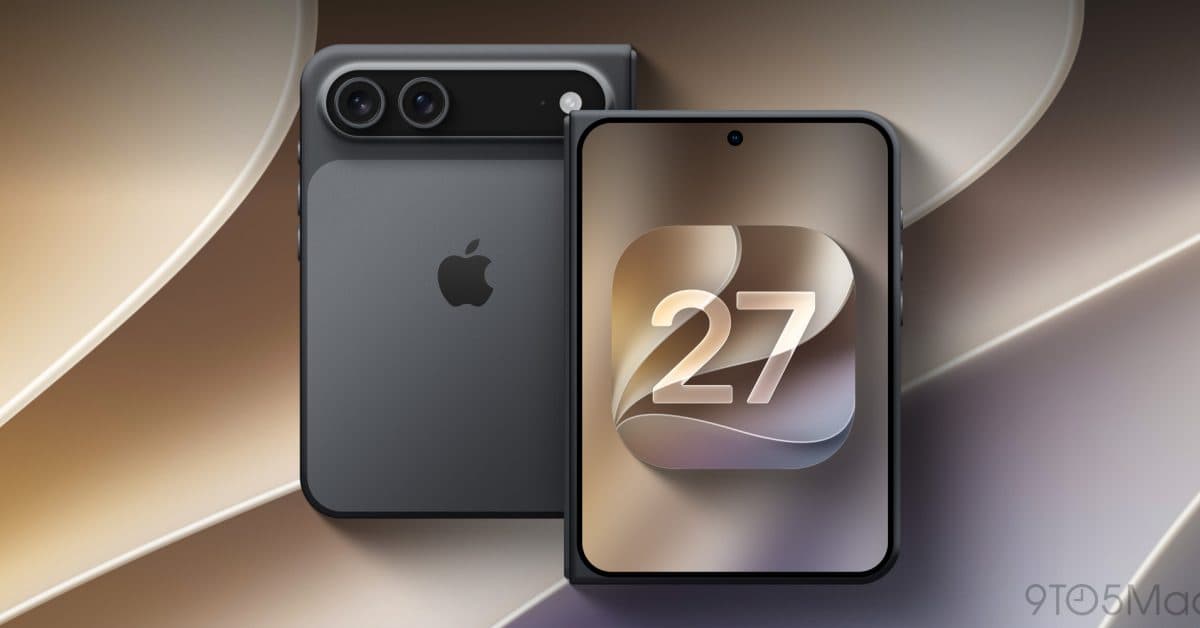
Apple is set to roll out its new iOS 27 software for the iPhone 11, a model that debuted in 2019. That impressive seven-year support period makes Samsung and Google’s update policies look rather limited in comparison.
Unveiled at WWDC 2026 on June 8, iOS 27 stands out as Apple’s most ambitious update in years. It features a revamped Siri, AI tools integrated into the camera, and health functionalities that can identify perimenopause patterns. Running all this on a phone that costs under $200 on the second-hand market is something Android manufacturers struggle to match.
| Apple (AAPL) — By The Numbers | |
|---|---|
| Stock Price | $301.54 (−1.89%) |
| CEO | Tim Cook |
| Headquarters | Cupertino, CA |
| Founded | 1976 |
| iOS 27 oldest supported device | iPhone 11 (2019) |
| Years of support for iPhone 11 | 7 years |
| Google Pixel major OS updates | 7 years (Pixel 8 onward) |
| Samsung Galaxy major OS updates | 7 years (S24 onward) |
What Apple Is Actually Promising
iOS 27 comes packed with new features. Siri has been completely rebuilt and now resides in a dedicated app. More importantly, Siri integrates directly into the iPhone’s camera app. You can point your phone at an object and ask questions about it in real time, a feature Apple calls Visual Intelligence.
The Photos app will also feature new AI-enhanced editing tools. Apple Intelligence, which refers to Apple’s on-device and cloud AI capabilities, is being integrated into default apps like Safari. Now, it can monitor browser tabs and suggest password updates automatically, as reported by Engadget.
On the health front, the iPhone’s Cycle Tracking feature can now alert users when their cycle patterns indicate perimenopause. This is a first for mainstream consumer devices, according to TechCrunch.
Apple’s Genmoji tool, which creates custom emojis using AI, has also been redesigned. The new interface allows you to describe your desired emoji, remix existing ones, and create custom characters based on people in your photo library.
Seven Years vs. Seven Years — Why Apple Still Wins
At first glance, the numbers seem comparable. Both Google (starting with the Pixel 8) and Samsung (starting with the Galaxy S24) now offer seven years of major Android OS updates. Apple is also providing seven years of support for the iPhone 11. So what sets them apart?
The difference lies in when these policies began. The iPhone 11 launched in 2019, well before Samsung and Google committed to their seven-year promises. Older Galaxy and Pixel flagships from that time—which sold for $1,000 when new—have not received major Android updates in years. For instance, Galaxy S10 users stopped getting new Android versions after Android 12 in 2021, just three years post-launch.
Think of it like a car warranty. Both dealerships now provide 7-year coverage on new models. But Apple has quietly been covering cars it sold seven years ago. Meanwhile, competitors have only started this promise for this year’s models. Owners of older Android phones won’t benefit from the new policies at all, as noted by Android Authority.
What About AI Features on Older iPhones?
There is a catch. Not every iOS 27 feature will be available on all supported devices. Features requiring heavy on-device processing—where the phone’s chip handles AI tasks locally—are generally limited to iPhone 15 Pro and newer models. The iPhone 11 will receive the core iOS 27 update, including security patches and the redesigned interface. However, more demanding AI tools will likely need newer hardware.
Apple hasn’t released a complete compatibility list yet, so we won’t know the exact cutoffs until the software launches publicly this fall.
What This Means For You
If you own an iPhone 11 or a newer model, you’ll get iOS 27 this fall at no charge. This is a real financial advantage since you won’t need to buy a new phone just to stay updated and secure.
If you’re using an Android device older than three or four years, you’ve probably already lost access to major OS updates, regardless of what your phone originally cost. The exception is if you have a Pixel 8 or Galaxy S24 (or newer), which now come with the seven-year guarantee moving forward.
For anyone weighing their options between iPhone and Android, long-term software support matters. A phone that gets updates for seven years is more cost-effective per year than one that stops at three, assuming similar hardware prices.
Community Reaction
“My mom still uses an iPhone 11, and it’s wild that she’ll get the same major update as someone who just bought an iPhone 16. Samsung would have dropped her two OS versions ago.”
— u/therealconnman, Reddit r/apple
“This is cool, but let’s be honest — half these AI features aren’t coming to the 11 anyway. Apple lists it as ‘supported’ and then footnotes all the good stuff to A17 Pro only.”
— YouTube comment on 9to5Mac’s WWDC recap, top comment
What To Watch
- Summer 2026: Apple will launch additional iOS 27 developer and public betas in the coming months, clarifying which features are available on which devices.
- Fall 2026: The public release of iOS 27 is expected alongside the iPhone 17 lineup, allowing iPhone 11 owners to install it.
- Google I/O response: Google hasn’t announced its Android update compatibility list for its next major OS version yet. Keep an eye on whether they extend support to older Pixel models to match Apple’s approach.
- Foldable iPhone: Mentions of a foldable iPhone appeared in the iOS 27 beta code, suggesting Apple might unveil a folding device this fall alongside the software launch.

Ava Mitchell
Ava Mitchell is a digital culture journalist at Explosion.com covering social media platforms, streaming services, and the creator economy. With 4 years reporting on TikTok, Instagram, YouTube, and the apps that shape daily life, Ava specializes in explaining platform policy changes and their impact on everyday users. She previously managed social media strategy for a tech startup, giving her firsthand experience with the platforms she now covers.