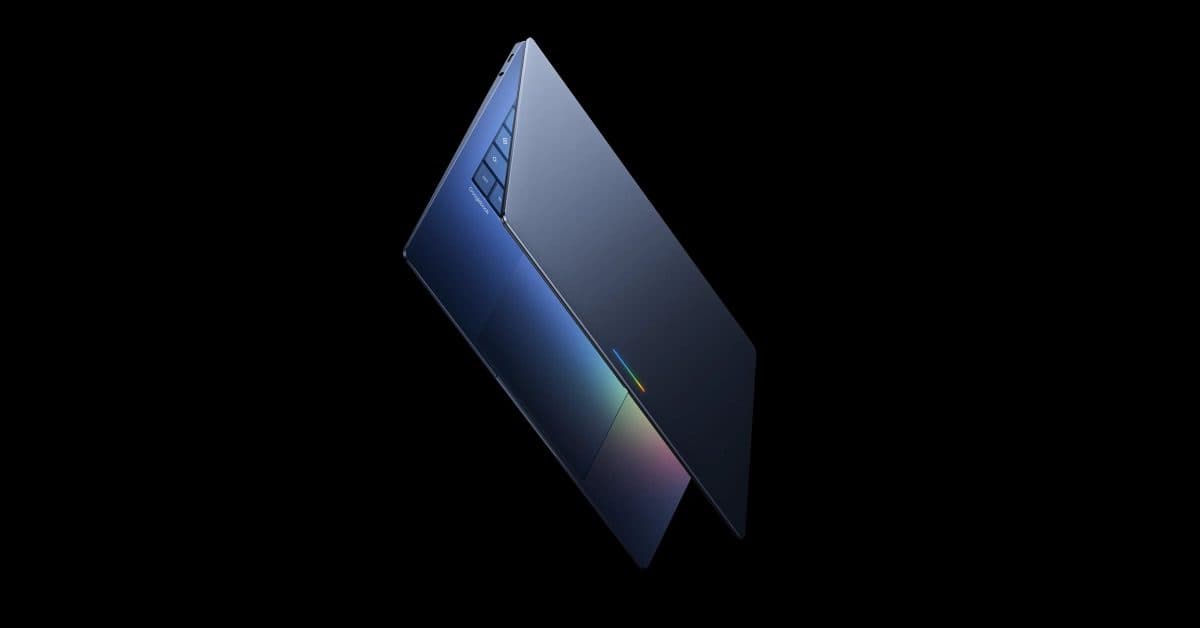
Google is reportedly developing a laptop called the Googlebook, and initial reactions from tech enthusiasts have been mixed. However, this skepticism might overlook an important aspect.
A recent video analysis from 9to5Google suggests that the Googlebook doesn’t aim to compete with MacBooks or high-end Windows machines. Instead, it targets a more specific audience, and its limited appeal might be part of the design.
What Is the Googlebook, Exactly?
The Googlebook is Google’s anticipated entry into the laptop market, centered around its own software and AI ecosystem. Imagine it as Google’s take on what Apple does with MacBooks — integration of hardware and software for enhanced performance. The key difference? Google focuses on AI tools, cloud connectivity (using remote servers for data storage and processing), and tight integration with services like Gmail, Drive, and Gemini (Google’s AI assistant).
This approach caters to a particular kind of laptop user.
The “Doomed to Fail” Narrative Is Probably Wrong
The analysis from 9to5Google begins with an honest observation. Early signals might suggest the Googlebook is destined for trouble. Google has a complicated history with hardware. The Pixel tablet had modest sales, Google TV devices occupy a niche, and Chromebooks have been around for over a decade without seriously challenging Windows or macOS.
However, labeling it as “not for everyone” misrepresents how product markets function. The iPad isn’t for everyone, and neither is the MacBook Air. Products succeed when they meet specific needs for a targeted audience, and the Googlebook seems to aim at users who are already embedded in Google’s ecosystem.
If you rely on Gmail for email, store files in Google Drive, use Google Meet for video calls, and own an Android phone, the Googlebook could offer a remarkably smooth experience. Everything works together seamlessly. That’s not just a niche — it’s a large segment of the global workforce.
The AI Angle Changes the Calculus
What sets the Googlebook apart from previous Google hardware efforts is timing. Google is heavily invested in Gemini, its AI assistant, and is reportedly incorporating Gemini features directly into its hardware products. This level of integration goes beyond what you can access through a web browser.
This strategy parallels what Apple is doing with Apple Intelligence (its on-device AI system) on Mac and iPhone. The competitive landscape is intense: both companies want AI to be a key reason to buy their hardware, rather than just a web service available on any device.
Additionally, as CNET reports, Apple is gearing up to unveil deeper Google AI integration into Siri at WWDC 2026. This means Google’s AI will enhance features on Apple devices, creating a strange competitive dynamic: Google stands to gain whether you opt for a Googlebook or an iPhone.
| Alphabet / Google — Company Snapshot | |
|---|---|
| Ticker | GOOGL |
| Stock Price | $368.53 (-0.98%) |
| CEO | Sundar Pichai |
| Founded | 1998 |
| Headquarters | Mountain View, CA |
| Sector | Big Tech |
What This Means for Everyday Users
If you’re a Windows user who relies on Microsoft Office and OneDrive, then the Googlebook probably isn’t for you — and that’s perfectly okay. Similarly, if you’re a MacBook user happy with Apple’s ecosystem, you might not find it appealing.
However, if you’ve been using a Chromebook at work or school and want a more premium experience, or if you’re an Android enthusiast looking for a laptop that syncs effortlessly with your phone, keep an eye on the Googlebook. It could fill a gap in Google’s current hardware lineup: a flagship laptop that truly values Google’s software.
The broader takeaway for consumers is that the laptop market is becoming more dynamic. Apple is integrating Google AI into Siri. Google is launching new laptops. Microsoft is pushing Copilot (its AI assistant) into Windows. The AI arms race has now extended to hardware, and companies making chips and operating systems want you committed to their version of the future.
Community Reactions
“Chromebooks already do 90% of what most people need. If the Googlebook is just a premium Chromebook with better build quality and Gemini baked in, I’d genuinely consider it for my parents. They only use Gmail and YouTube anyway.”
“Google’s hardware problem isn’t the products, it’s the commitment. They cancel things. That’s the whole issue. Until they prove they’ll support a laptop for 5+ years, I’m not buying in.”
What To Watch
- Google I/O follow-up announcements: Google’s developer conference season is the most likely time for any formal Googlebook hardware reveal.
- WWDC 2026 (Apple): With Apple’s developer conference approaching, if they announce deeper Gemini integration into Siri, it suggests Google’s AI is becoming platform-agnostic — which could lessen the urgency of buying a Googlebook.
- Chromebook Plus performance data: Google’s Chromebook Plus tier (a higher-end category of Chromebooks launched in 2023) could provide insights into the specs and pricing of a potential Googlebook.
- Competitor moves: Microsoft’s Copilot+ PC push and updates to Apple’s MacBook Air will shape the competitive landscape that the Googlebook must navigate.

Maya Torres
Maya Torres is the Consumer Tech Editor at Explosion.com with 7 years covering product launches for major technology publications. She has reviewed over 300 devices across smartphones, laptops, wearables, and smart home products. Maya specializes in translating spec sheets into real-world buying advice and attends CES, MWC, and Apple keynotes as press. Her reviews focus on helping readers decide what to buy, not just what specs look good on paper.